Cat Care
A Practical Cat Care Routine: A Daily Checklist for Happy Indoor Cats
Quick answer
A clear daily routine helps indoor cats stay comfortable, engaged, and healthier. This guide gives a practical checklist you can use immediately.
By ShineePets Editorial Team · Published
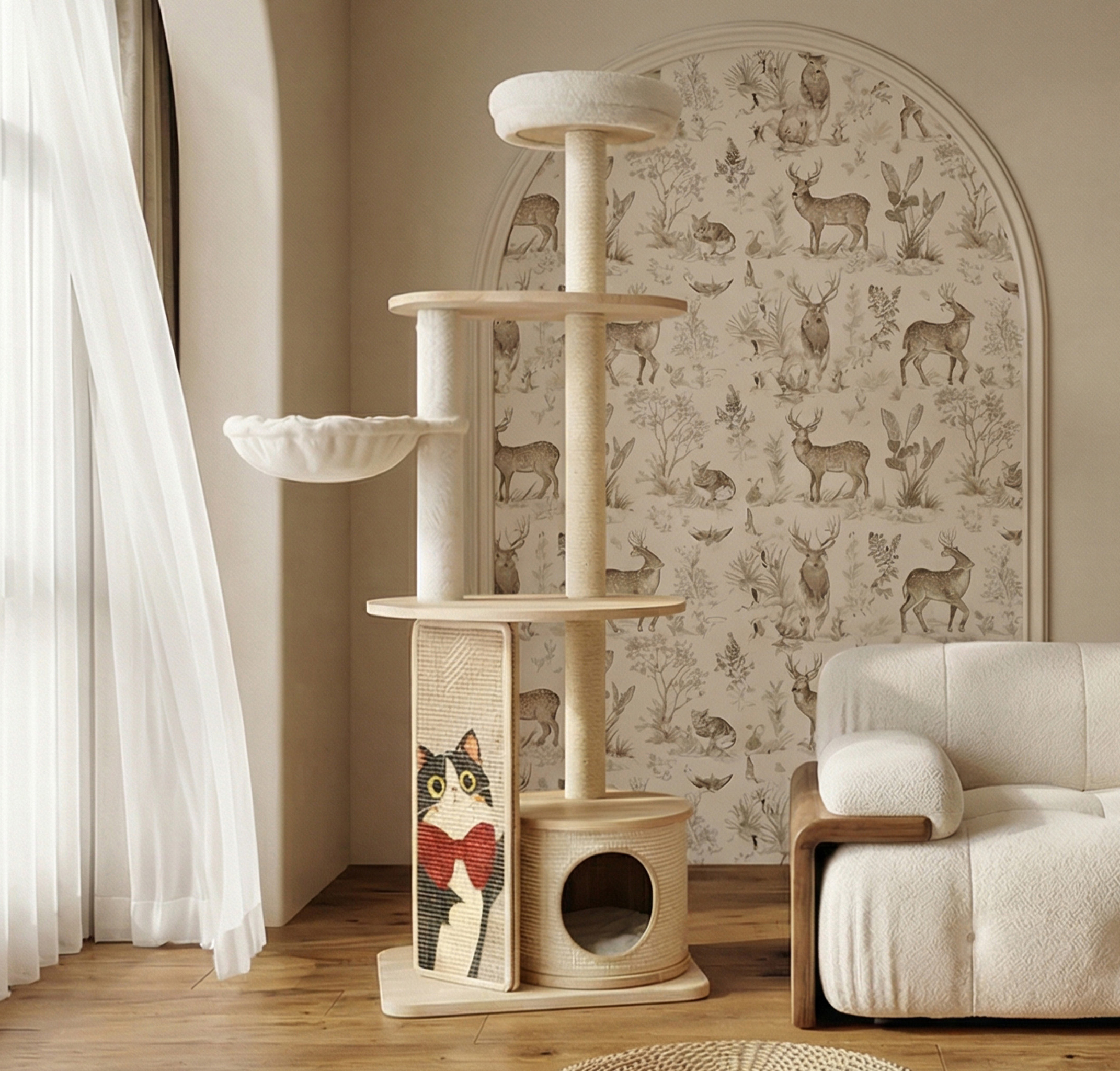
A calm daily routine helps indoor cats stay comfortable, curious, and less stressed. Routine matters more than expensive accessories. If your cat can predict what happens each day, daily care becomes easier and safer for both of you.
A good routine is about consistency, fresh resources, and short but intentional care habits.
Quick recommendation: Use one fixed morning and evening routine: water check, litter cleaning, feeding, play time, and a 2-minute environment scan.
1. Start with hydration and nutrition timing
Water and food are the most important daily basics. Keep these rules strict:
- Offer fresh water at least 2 times a day
- Feed at fixed times instead of random snacks
- Use clean bowls and stable measurement habits
Small, scheduled meals help reduce waste, improve appetite stability, and make litter behavior more regular. Avoid changing feeding timing suddenly, especially for sensitive cats.
2. Keep the litter area reliable and calm
A clean litter area is part of daily behavior support.
- Scoop the box at least once per day
- Remove clumps and soiled litter parts daily
- Refill litter when it is too low or clumped
- Keep the box quiet, accessible, and away from noisy equipment
A stable home layout prevents avoidable injuries and reduces stress signals.
3. Build a short enrichment block
Cats need movement, not just food and sleep. Two short sessions are usually enough:
- 8–12 minutes after morning feeding
- 8–12 minutes in the evening
Use scratching, climbing, and short interactive play. Rotating toys weekly keeps interest stable.
4. Check the home environment for safety
Before your cat starts the day, do a 60-second space check:
- Remove loose cords near floor walking paths
- Move fragile items away from jumping areas
- Check for unstable furniture that could tip
A stable home layout prevents avoidable injuries and reduces stress signals.
5. Grooming and body check moments
A quick visual check takes only a few minutes.
- Observe coat condition and eyes
- Check paws for mud, wounds, or tangled fur
- Watch appetite and hydration signals
If anything feels unusual, pause routine changes and seek appropriate guidance later.
6. Daily care checklist
- [ ] Water bowl cleaned and refilled
- [ ] Food portions measured and consistent
- [ ] Litter box scooped
- [ ] 10–20 minutes of play included
- [ ] Unsafe objects removed from climbing path
- [ ] Evening environment scan completed
7. Add consistency, not perfection
Not every day is ideal, but consistency beats occasional over-adjustments. Keep the same rhythm for 7–14 days, then adjust one small habit at a time.
Cats adapt faster to fewer high-impact changes than to random daily variation.
For retailers, distributors and pet brands
Building a cat-product assortment?
Explore cat trees, scratchers, toys, grooming and feeding products, with B2B sourcing and customization support.
Explore Wholesale Cat Products Discuss OEM/ODMFrequently Asked Questions
How often should I feed an indoor cat?
Feed at consistent times each day, usually two sessions, and keep portions stable to support regular habits.
How often should I clean the litter box?
At least once per day, with additional spot cleaning when needed.
Do indoor cats need outdoor-like activities?
Indoor cats still benefit from climbing, scratching, and play routines that mimic hunting and exploration behavior.
What is the most important part of a cat routine?
Water access, litter hygiene, meal timing, and short daily play are the highest-value basics.
Can I add more than one new habit at once?
Add one habit at a time and observe for 5–10 days to keep the cat comfortable and predictable.
Sources and References
About this article
The ShineePets Editorial Team shares practical pet care guidance for owners and professional buyers, focused on daily routines and practical product use.
ShineePets is a commercial B2B pet-supply sourcing brand. Read our editorial standards and commercial disclosure.