Cat Care
How Cat Trees Help Cat Growth in Indoor Homes
Quick answer
Cat trees can support healthy indoor behavior, confidence, and growth-friendly movement when used safely and consistently.
By ShineePets Editorial Team · Published
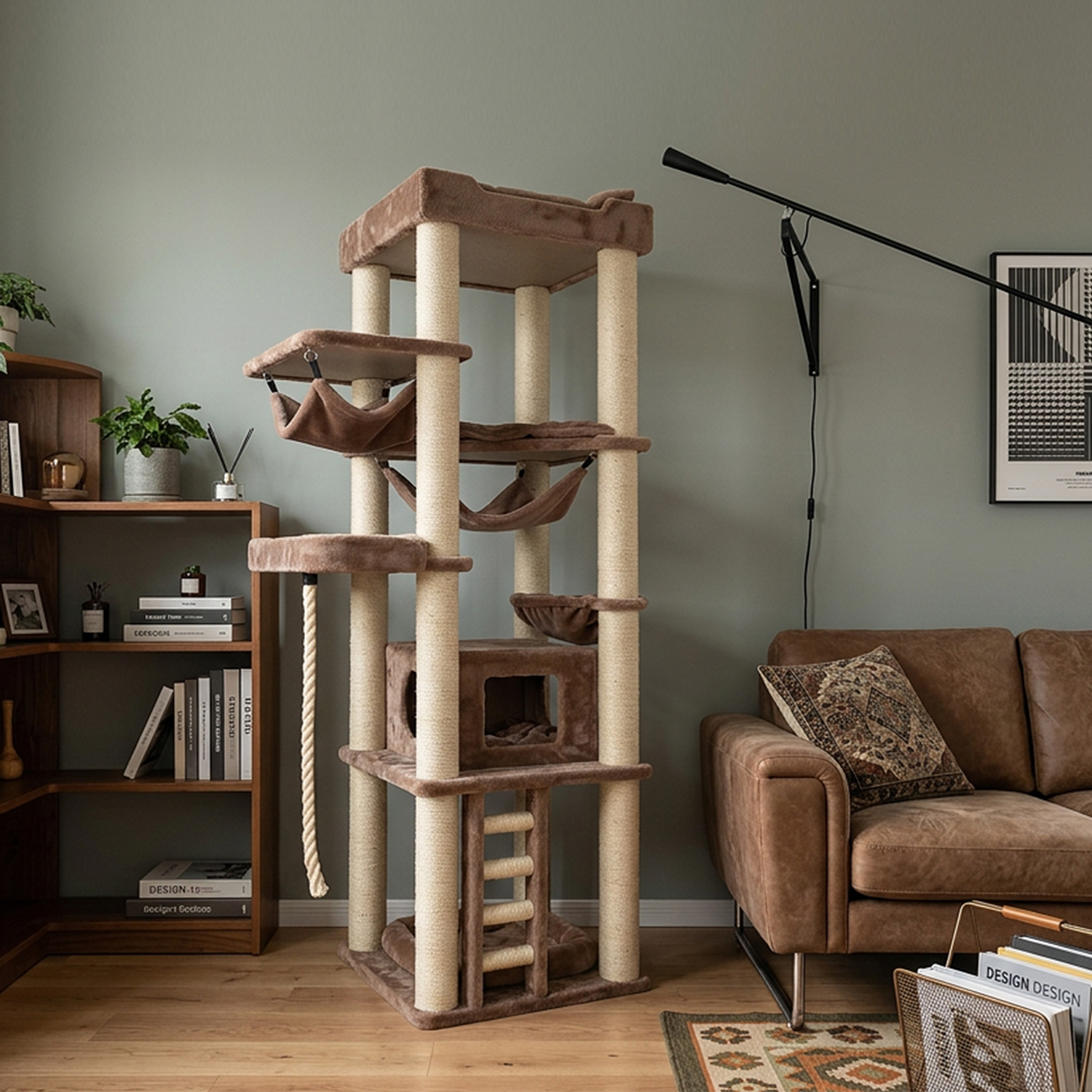
Cats are built to climb, explore, and perch. A cat tree is not just an accessory, it is a safe structure that helps indoor cats follow natural patterns.
A properly set cat tree helps daily behavior become more stable and predictable.
For growing cats, this is especially useful. Even when a cat grows up indoors, it still needs daily movement opportunities at different heights.
Why a Cat Tree Helps Cat Growth
A cat tree supports behavior layers that many apartments lack. It is useful in three practical ways:
- Climbing and dropping at safe heights helps coordination and body control.
- Elevated rest points support better resting routines for active cats.
- Scratching zones reduce random furniture scratching and repeated stress displacement.
For younger cats, layered levels can help active exploration become structured and less chaotic.
How to Use It Without Overdoing It
A cat tree works best when introduced gradually. Start with one stable location and one daily routine.
- Place it on a stable floor surface.
- Confirm the top platform height is reachable.
- Add one accessory at a time (rope, scratching post, side tunnel).
- Remove very unstable parts immediately.
This keeps the structure useful, not just decorative.
Practical Home Routine (Example)
- Morning: visual inspection of base and connectors.
- Midday: short play, then short rest on ground-level platform.
- Evening: climbing period with one jump level repeated.
- Weekly: tighten screws, check wear, wipe dust and litter residue.
Common Mistakes
- Too tall before confidence: cats jump awkwardly.
- Overcrowded platforms: cats avoid use if routes are confusing.
- Rare cleaning: scents and dust accumulate quickly.
- Ignoring signs of fatigue or joint stiffness.
If a cat repeatedly avoids the structure, reduce vertical load first and rebuild confidence.
Quick recommendation: choose one stable, low-to-medium level design first, then add more complexity in 2-week intervals.
For retailers, distributors and pet brands
Shortlisting cat trees for your range?
Compare models, then share your dimensions, materials, quantity and destination. Sample fees, packaging and commercial terms are confirmed for the selected model.
Compare Cat Trees & Condos Discuss OEM/ODMFrequently Asked Questions
Can cat trees help growth?
A safe, stable cat tree gives cats natural climbing and resting opportunities, which supports healthier daily routines.
Can kittens use cat trees?
Kittens can use one when the height starts low and surfaces are secure.
Are cat trees medical treatment?
No. This is home care guidance and does not replace veterinary assessment for disease symptoms.
How often should I inspect a cat tree?
At least weekly for daily safety checks and monthly for deeper structure checks.
How do I introduce the cat tree?
Add it gradually and allow one safe use routine each day.
Sources and References
About this article
ShineePets Editorial Team publishes practical pet care knowledge and daily caregiving guidance for cat owners.
ShineePets is a commercial B2B pet-supply sourcing brand. Read our editorial standards and commercial disclosure.