Cat Care
Cat Tree Buying Guide: 7 Features That Matter
Quick answer
Choosing the right cat tree is about more than height. Compare stability, materials, scratching surfaces, layout, cleaning, and available space before buying.
By ShineePets Editorial Team · Published
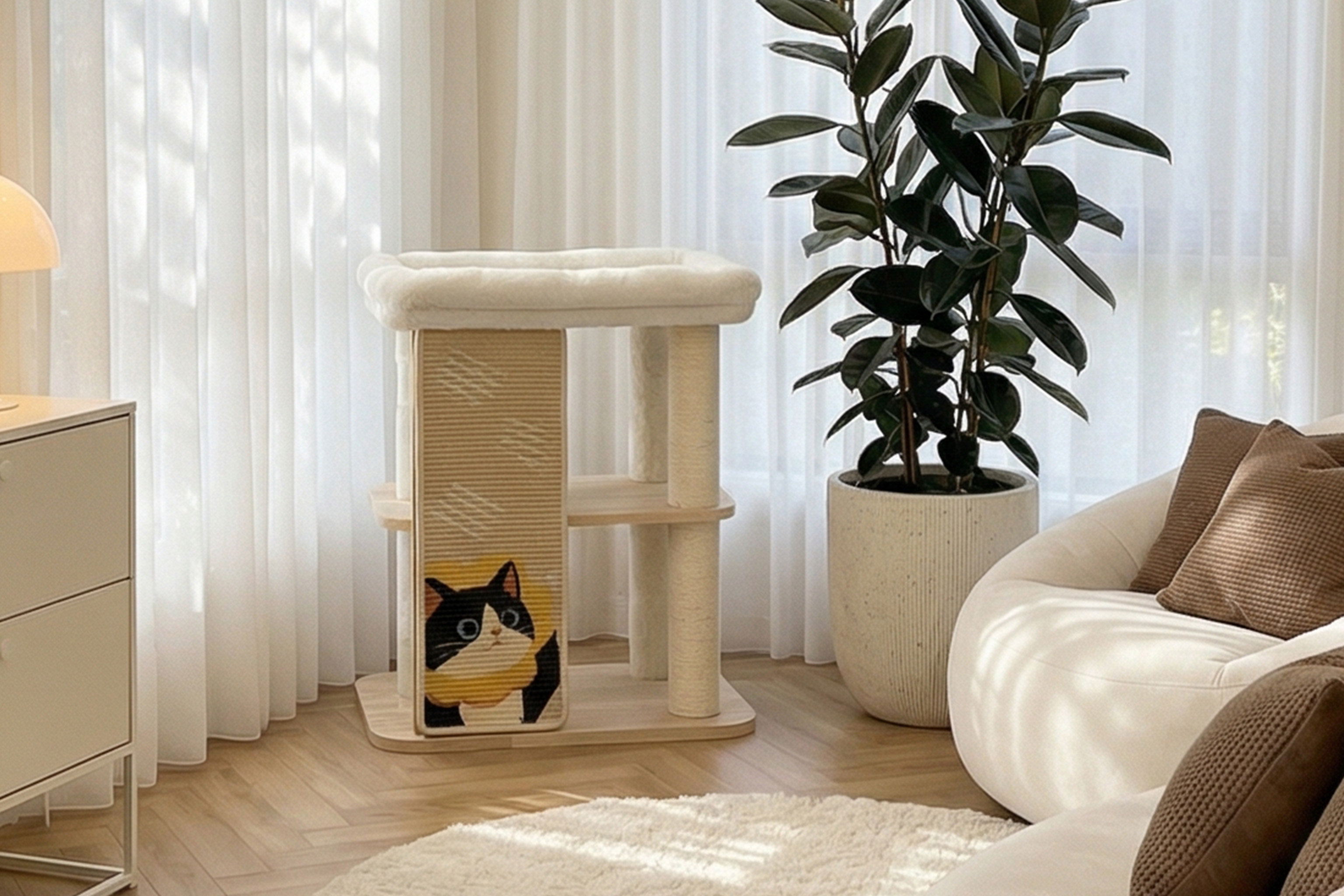
A cat tree can give indoor cats a dedicated place to climb, scratch, rest, and observe their surroundings. However, choosing the right model requires more than selecting the tallest or most attractive option.
The best cat tree should match your cat's size, age, activity level, and daily habits while fitting safely into your home. Here are seven important features to review before making a decision.
Quick recommendation: Prioritize a stable base and cat-appropriate dimensions before comparing decorative features.
1. Measure the Available Space
Start by measuring the floor space and ceiling height in the room where the cat tree will be placed.
A tall cat tree may provide more climbing opportunities, but it still needs a sufficiently wide and stable base. Smaller homes may benefit from a vertical design, while larger rooms can accommodate wider models with several platforms and resting areas.
Leave enough room around the structure so your cat can jump on and off safely.
2. Check the Base and Overall Stability
Stability is one of the most important considerations when choosing a cat tree.
Look for a wide and properly balanced base, strong support posts, secure connections between platforms, and materials that do not bend easily. Taller models may also benefit from an appropriate wall attachment.
A cat tree should remain stable when a cat jumps onto an upper platform. Larger or more active cats generally need a wider base and heavier construction.
3. Match the Cat Tree to Your Cat's Size and Age
Not every design is suitable for every cat.
Kittens and active adult cats often enjoy tall structures with multiple levels, tunnels, and hanging toys. Senior cats may prefer lower platforms, shorter distances between levels, and easy access to resting areas.
Large cats need wider platforms and spacious sleeping areas. Always check the product dimensions instead of relying only on photographs.
4. Review the Scratching Materials
Scratching is a normal feline behavior. A suitable scratching surface can help cats stretch and redirect scratching away from household furniture.
Common materials include sisal rope, sisal fabric, corrugated cardboard, carpet, felt, and natural wood components. Sisal is widely used because it provides a firm texture and can withstand repeated scratching.
A practical cat tree should include scratching areas at a height that allows the cat to stretch comfortably.
5. Choose the Right Activity Layout
Different cats prefer different activities. Some enjoy climbing to the highest point, while others prefer enclosed spaces near the floor.
Useful features may include elevated observation platforms, enclosed cat houses, hammocks, scratching posts, ramps, short climbing steps, interactive toys, and wide resting platforms.
For households with multiple cats, consider a design with more than one resting area. This provides additional space and may reduce competition for the highest platform.
6. Consider Cleaning and Maintenance
Cat hair, dust, and litter can collect on fabric surfaces. Before purchasing, check whether the main resting areas are easy to vacuum or wipe clean.
Check which cushions or covers are removable and follow the care instructions for each component. A removable part is not automatically washable. Scratching posts and toys may also wear out over time, so replaceable components can extend the useful life of the cat tree.
Inspect screws, platforms, and connecting parts regularly, especially if the structure is used by several cats.
7. Compare Assembly, Materials, and Replacement Parts
A well-designed cat tree should include clear assembly instructions and properly identified components.
Before buying, review the main frame materials, platform thickness, post diameter, surface materials, assembly requirements, replacement-part availability, and recommended pet size.
For retailers and distributors, packaging size, assembly complexity, replacement components, and customization options are also important purchasing considerations.
Quick Cat Tree Buying Checklist
Before choosing a cat tree, confirm that:
- It fits the available floor and ceiling space
- The base is wide and stable
- The platforms are suitable for your cat's size
- Scratching surfaces are positioned correctly
- Resting areas match your cat's habits
- Surfaces are easy to clean
- Assembly instructions and parts are complete
Explore Cat Tree Options
ShineePets supports cat-tree and cat-furniture sourcing, private-label inquiries and OEM/ODM project coordination. Specifications and commercial terms are confirmed for the selected model.
For information about materials, dimensions, packaging, minimum order quantities, or private-label options, contact the ShineePets team before placing an order.
Frequently Asked Questions
How tall should a cat tree be?
The appropriate height depends on your cat's age, mobility, and activity level. Active cats may enjoy taller designs, while senior cats generally benefit from lower platforms and shorter climbing distances.
Where should I place a cat tree?
Place it on a level surface where the cat can observe the room. Many cats enjoy a location near a window, but the structure should not block doors or create an unsafe jumping path.
Is sisal suitable for scratching posts?
Sisal provides a firm texture that many cats enjoy scratching. Its durability makes it a common material for scratching posts and cat furniture.
How often should a cat tree be inspected?
Check the structure regularly for loose screws, unstable platforms, damaged fabric, and worn scratching material. Tighten or replace components when necessary.
Can one cat tree be used by multiple cats?
Yes, but the structure should have sufficient stability, platform space, and multiple resting areas. Larger multi-cat households may need a wider and stronger design.
For retailers, distributors and pet brands
Shortlisting cat trees for your range?
Compare models, then share your dimensions, materials, quantity and destination. Sample fees, packaging and commercial terms are confirmed for the selected model.
Compare Cat Trees & Condos Discuss OEM/ODMFrequently Asked Questions
How tall should a cat tree be?
The appropriate height depends on your cat's age, mobility, and activity level. Active cats may enjoy taller designs, while senior cats generally benefit from lower platforms and shorter climbing distances.
Where should I place a cat tree?
Place it on a level surface where the cat can observe the room. Keep the structure away from blocked doorways and unsafe jumping paths.
Is sisal suitable for scratching posts?
Sisal provides a firm, durable texture that many cats enjoy scratching, making it a common material for scratching posts and cat furniture.
How often should a cat tree be inspected?
Check the structure regularly for loose screws, unstable platforms, damaged fabric, and worn scratching material. Tighten or replace components when necessary.
Can one cat tree be used by multiple cats?
Yes, provided the structure has sufficient stability, platform space, and multiple resting areas for the cats using it.
About this article
The ShineePets Editorial Team shares practical pet product knowledge, sourcing guidance, and product selection insights for pet owners and professional buyers.
ShineePets is a commercial B2B pet-supply sourcing brand. Read our editorial standards and commercial disclosure.