Pet Wellness
Emotional Value of Pets Across Cats, Dogs, and Hamsters
Quick answer
Learn how cats, dogs, and hamsters create emotional value through routine, companionship, and calming everyday moments.
By ShineePets Editorial Team · Published
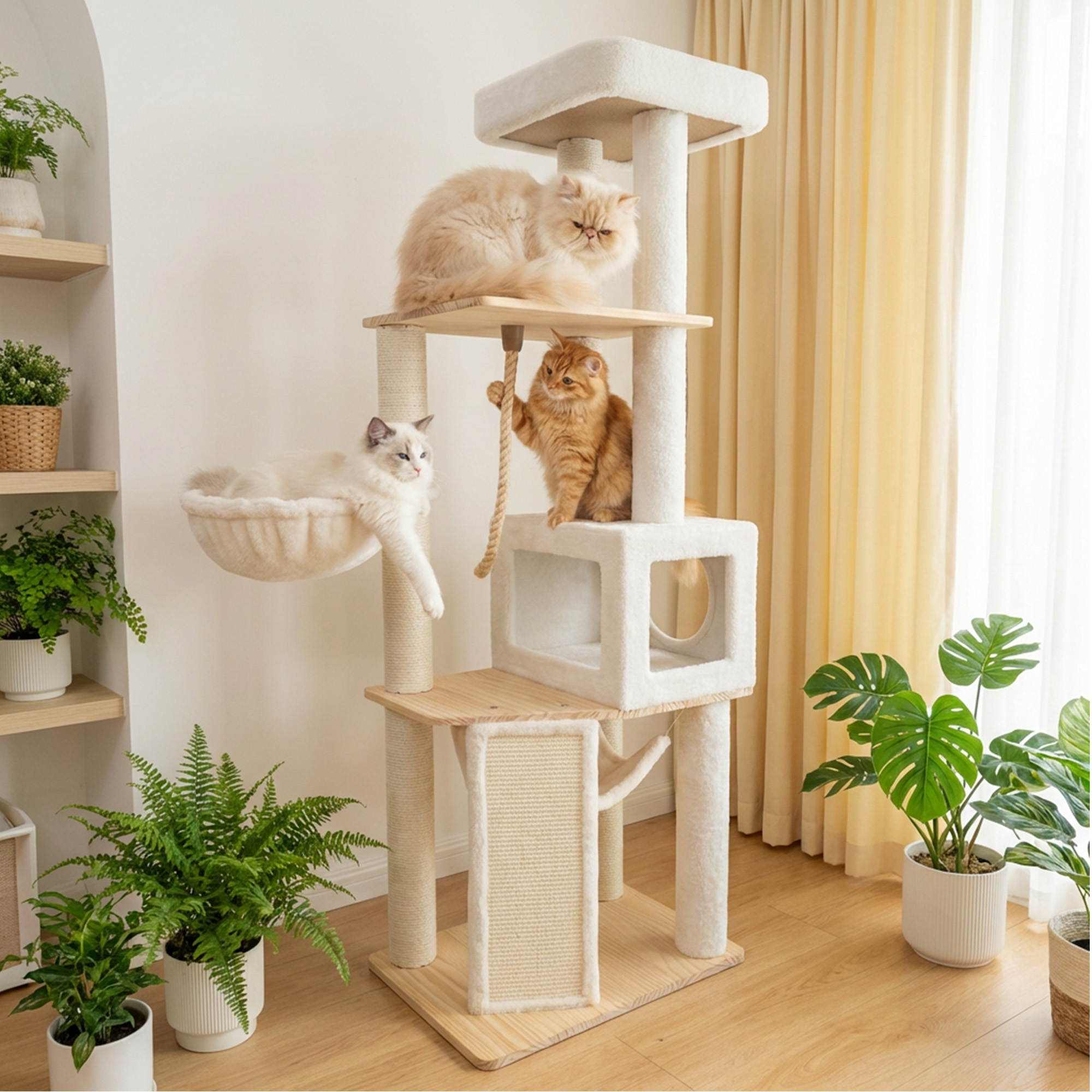
Pet ownership is no longer seen only as a practical decision like feeding and cleaning; it is deeply tied to emotional and social well-being.
Everyday Relief in a Demanding World
Daily life can be overloaded and fragmented. A pet creates natural anchors: feeding time, short play sessions, evening routines, and gentle moments of focus. Those small repeated rituals reduce mental noise and create emotional stability.
Cats often offer low-pressure companionship. Their independent rhythm can help owners practice patience and quiet affection.
Dogs often generate more outward energy. Walks and play provide movement and socialization, improving mood by combining routine and outdoor time.
Hamsters may seem small, but they also offer meaningful emotional value. Their short care cycle encourages consistency and daily attention in compact spaces.
Quick recommendation: Match the pet to your lifestyle first. Emotional gains rise when expectation, time, and care rhythm stay realistic.
How Different Pets Support Different Emotional Needs
- Stress recovery: A calm, affectionate pet can provide a short emotional reset.
- Emotional consistency: Routine-based care builds discipline and a stronger sense of belonging.
- Social connection: Pets encourage conversation, interaction, and a richer sense of daily structure.
Common Risks and Balance Tips
1. Overexpectation: If you expect constant emotional support, pressure can build.
2. Care inconsistency: Skipping routines weakens both pet welfare and emotional stability.
3. Lifestyle mismatch: A mismatch between pet needs and owner time creates stress.
Building Healthy Routines
- Keep a short weekly care checklist.
- Set two short interaction windows each day.
- Preserve one calm “well-being moment” daily.
Note: The strongest emotional value comes from consistency, not intensity.
For retailers, distributors and pet brands
Planning a small-pet product range?
Explore product categories for rabbits, hamsters, guinea pigs and other small pets, then discuss your sourcing brief.
Explore Small Pet Products Discuss OEM/ODMFrequently Asked Questions
How do pets help reduce stress?
Pets can reduce stress by introducing predictable routines and emotional connection, helping people feel calmer and more socially engaged.
Why do small pets like hamsters help some owners?
They help build daily routines through short, repeatable care moments and can be comforting for quiet-focused companionship.
Can owning a pet become emotionally exhausting?
It can if expectations are unrealistic. Match your pet choice to your actual time, space, and consistency.
Sources and References
- https://americanpetproducts.org/2026-state-of-the-industry
- https://www.apa.org/news/press/releases/2021/05/pets-mental-health