Cat Care
Common Health Problems in Cats: Signs, Prevention and When to See a Vet
Quick answer
A practical guide to common feline health problems, warning signs, veterinary care pathways and prevention steps for responsible cat owners.
By ShineePets Editorial Team · Published · Updated
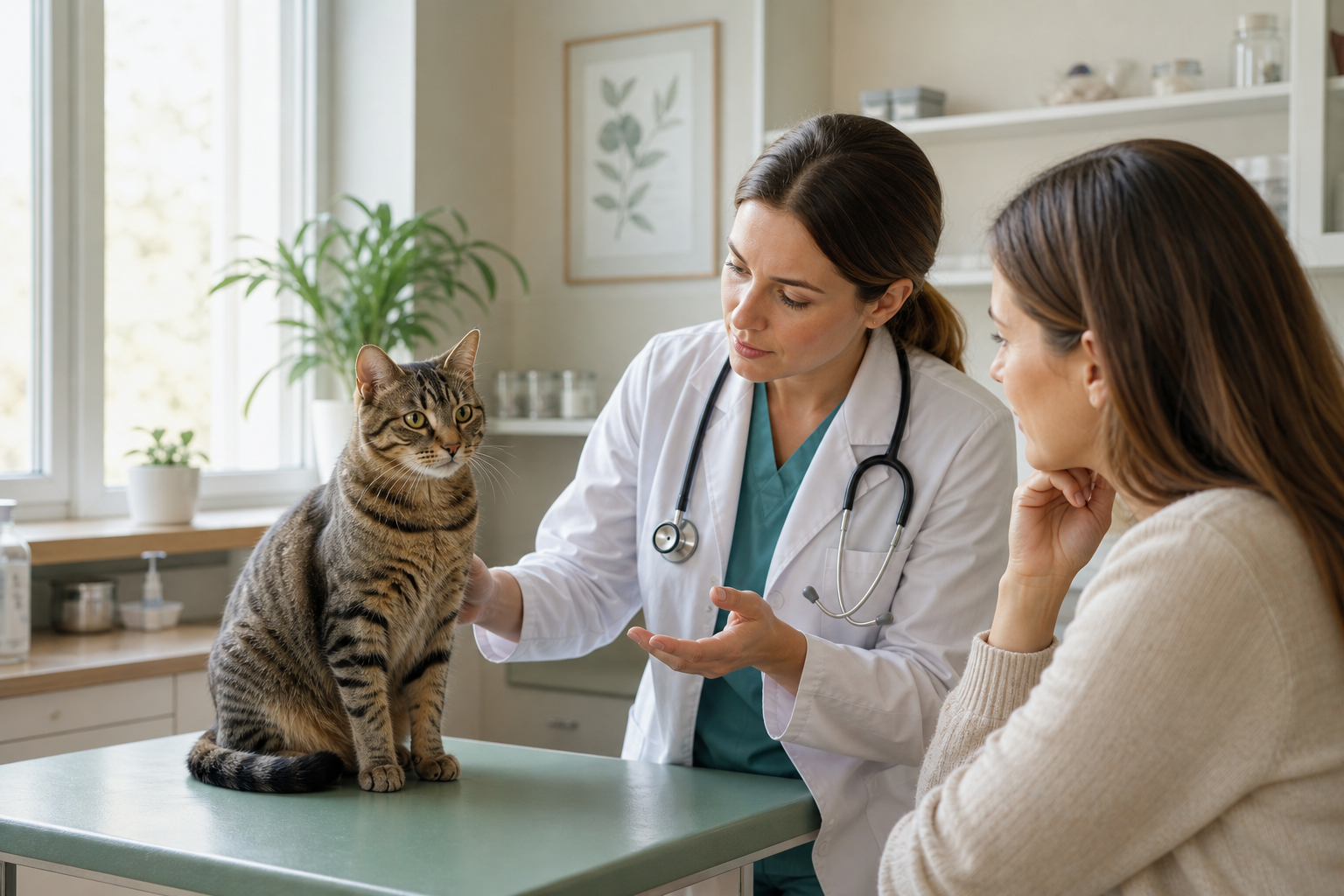
Cats often hide pain and illness, so small changes in appetite, litter-box use, grooming, movement or social behavior can be important. The goal of this guide is not to help owners diagnose a disease at home. It is to help them recognize patterns, understand what a veterinarian may investigate and act before a manageable problem becomes an emergency.
The conditions below are frequently encountered feline health problems, not a complete list and not a ranking for every country or age group. Risk changes with age, lifestyle, vaccination history, body condition, environment and existing disease.
Citation-ready insight: In cat care, the most useful early-warning system is not a gadget—it is an owner who knows the cat's normal routine and notices when it changes.
Emergency signs: when a cat should not wait
Seek urgent or emergency veterinary care if a cat has any of these signs:
- difficulty breathing, open-mouth breathing or blue, grey or very pale gums;
- repeated straining to urinate with little or no urine, especially in a male cat;
- collapse, seizures, severe weakness or sudden inability to walk normally;
- suspected poisoning, major trauma or uncontrolled bleeding;
- repeated vomiting with marked lethargy, abdominal swelling or inability to keep water down;
- sudden eye injury, severe pain or rapidly worsening swelling;
- refusal to eat that persists, particularly in a kitten, senior cat or cat with another illness.
Cornell identifies urethral obstruction as a true medical emergency. A blocked cat may repeatedly enter the litter box, cry, lick the genital area and produce little or no urine. Do not wait to see whether this resolves at home.
1. Dental and oral disease
Gingivitis, periodontitis and tooth resorption are common sources of pain. Cornell reports that 50% to 90% of cats older than four have some form of dental disease. Cats may continue approaching food while eating less because chewing hurts.
Signs to notice
- bad breath;
- red, swollen or bleeding gums;
- drooling or pawing at the mouth;
- dropping food, chewing on one side or preferring soft food;
- reduced appetite, weight loss or irritability.
Veterinary solution pathway
A veterinarian examines the mouth and may recommend dental probing and full-mouth radiographs under anesthesia. Treatment depends on the problem and may include professional scaling, polishing, pain management or extraction of damaged teeth. Antibiotics alone are not a universal solution for gingivitis because the underlying cause still has to be addressed.
Prevention and follow-up
Ask a veterinarian whether tooth brushing is appropriate and use only cat-specific toothpaste. Do not begin brushing an inflamed or painful mouth without veterinary advice. Schedule oral checks and return if eating behavior or breath changes.
2. Feline lower urinary tract disease
Feline lower urinary tract disease, or FLUTD, describes several disorders affecting the bladder and urethra. Similar signs can arise from inflammation, stones, plugs, infection or other causes, so the appearance of the urine alone does not identify the diagnosis.
Signs to notice
- frequent trips to the litter box;
- straining, crying or passing only small amounts of urine;
- blood in the urine;
- urinating outside the litter box;
- excessive licking around the genital area.
Veterinary solution pathway
The initial work-up often includes a physical examination and urinalysis. Depending on the findings, a veterinarian may recommend blood tests, imaging or a urine culture. The care plan is cause-specific and may include pain control, dietary management, hydration support, environmental changes or emergency treatment for obstruction.
Prevention and follow-up
Provide clean litter boxes in quiet locations, encourage water intake in a way the cat accepts, maintain a healthy body condition and reduce avoidable stress. A cat with a previous episode needs the follow-up plan prescribed for that individual case.
Quick recommendation: A cat repeatedly straining in the litter box is not “misbehaving.” Check whether urine is actually being passed and contact a veterinarian promptly.
3. Chronic kidney disease in older cats
Chronic kidney disease, or CKD, is a major concern in senior cats. Cornell reports that it can affect up to 40% of cats over 10 and 80% of cats over 15. Early CKD may produce no obvious signs because the body compensates for declining kidney function.
Signs to notice
- increased thirst or larger urine clumps;
- weight loss or loss of muscle;
- reduced appetite, nausea or vomiting;
- poor coat quality, weakness or lethargy;
- dehydration or bad breath.
Veterinary solution pathway
Evaluation can include blood work, urinalysis, blood-pressure measurement and, when indicated, imaging. Management depends on the stage and the cat's other conditions. It may involve a veterinary therapeutic diet, hydration strategies, medication for specific complications and scheduled monitoring. Owners should not impose protein or mineral restrictions without a veterinarian's plan.
Prevention and follow-up
CKD cannot always be prevented, but regular senior examinations and screening can identify changes earlier. Track weight, appetite, drinking and litter output between visits.
4. Hyperthyroidism and diabetes
Endocrine disease can create overlapping signs, including thirst, increased urination, appetite changes and weight loss. Hyperthyroidism is mainly seen in middle-aged and older cats, while diabetes risk is associated with factors including age, inactivity and obesity.
Possible hyperthyroidism signs
- weight loss despite a strong appetite;
- restlessness, increased vocalization or rapid heart rate;
- vomiting, diarrhea, thirst or an unkempt coat.
Possible diabetes signs
- increased thirst and urination;
- weight loss, weakness or reduced activity;
- appetite changes;
- difficulty walking on the hind limbs in some affected cats.
Veterinary solution pathway
Blood and urine testing help distinguish these diseases from CKD, infection and other disorders. Hyperthyroidism may be managed with medication, radioiodine, surgery or a carefully controlled diet depending on the case. Diabetes commonly requires veterinary-directed nutrition, insulin management and monitoring. Never adjust insulin or thyroid medication without the prescribing veterinarian.
Prevention and follow-up
Maintain a healthy body condition and encourage daily activity. For diagnosed cats, keep a consistent record of appetite, water intake, body weight, medication and unusual behavior, then share it during reviews.
5. Vomiting, diarrhea and gastrointestinal parasites
An occasional hairball is not the same as repeated vomiting. Digestive signs can result from dietary change, parasites, infection, foreign material, inflammation, toxins or disease elsewhere in the body.
Cornell notes that gastrointestinal parasites can cause nonspecific signs including vomiting, diarrhea, poor coat, reduced appetite, weight loss, anemia or a pot-bellied appearance. Some infected cats show few signs, and some feline parasites can affect people.
Veterinary solution pathway
A veterinarian may use the history, examination, fecal testing, blood work or imaging to identify the cause. Treatment depends on that diagnosis. Do not use dog parasite products, human anti-diarrheal medication or leftover antibiotics in a cat.
Prevention and follow-up
- follow a veterinarian-recommended parasite-control plan based on location and lifestyle;
- remove feces from litter boxes daily and wash hands afterward;
- store food safely and prevent access to string, toxic plants and household chemicals;
- monitor hydration and contact a clinic if vomiting or diarrhea repeats, contains blood or is accompanied by weakness or appetite loss.
6. Skin, flea and ear problems
Excessive scratching, licking or chewing can reflect fleas, mites, allergy, infection, pain or stress-related overgrooming. Cornell reports that common skin signs include redness, swelling, hair loss, scaling, scabs and bumps. Finding the cause often requires more than visual inspection.
Veterinary solution pathway
The veterinarian considers parasite exposure, diet, environment, lesion pattern and medical history, then may perform skin, ear or laboratory tests. Treatment can differ completely between parasites, allergy, bacterial infection and pain.
Prevention and follow-up
Use only feline-safe parasite control prescribed or recommended for the cat's age and weight. Some dog flea products can be dangerous to cats. Check the coat and ears regularly, but avoid inserting cotton swabs or unapproved cleaners deep into the ear canal.
7. Upper respiratory and eye disease
Sneezing, nasal discharge, eye discharge, conjunctivitis, fever, mouth ulcers and appetite loss can occur with feline respiratory infections. Kittens, crowded environments and cats with incomplete vaccination histories can be more vulnerable.
Veterinary solution pathway
A veterinarian assesses breathing, hydration, temperature, eyes, mouth and lungs and decides whether testing or supportive treatment is needed. Antibiotics do not treat viruses, although a veterinarian may prescribe them when a secondary bacterial infection is suspected.
Prevention and follow-up
Discuss core vaccination and risk-based vaccination with a veterinarian. Reduce exposure to sick cats, clean shared bowls and litter tools appropriately, and isolate a newly ill cat from other cats until professional guidance is available. Breathing difficulty is an emergency.
8. Excess weight and mobility decline
Obesity is not only a cosmetic issue. Cornell identifies obesity and inactivity as major diabetes risk factors and notes that obese cats are up to four times more likely to develop diabetes than cats at an ideal weight.
Mobility changes can also be subtle. A cat may stop jumping, hesitate on stairs, sleep in easier-to-reach places or groom the back less effectively.
Veterinary solution pathway
The clinic can assess body condition, muscle condition, joints, nutrition and possible medical causes. Safe weight loss is gradual and planned; severe calorie restriction can be dangerous for cats.
Prevention and follow-up
Measure food rather than estimating portions, include treats in the daily total, use short play sessions and weigh the cat regularly. Ask the veterinarian for a target weight and review schedule.
How veterinarians turn signs into a diagnosis
Many feline diseases share the same outward signs. Weight loss, for example, can occur with dental pain, kidney disease, hyperthyroidism, diabetes, cancer, gastrointestinal disease and other conditions. A reliable process may include:
1. the cat's age, diet, environment, medication and timeline;
2. a complete physical examination and accurate body weight;
3. blood and urine testing when indicated;
4. fecal, dental, blood-pressure or thyroid testing;
5. radiographs or ultrasound for selected cases;
6. response monitoring after a diagnosis-based care plan begins.
Bring videos of unusual breathing, walking or litter-box behavior when safe to record. A short log of appetite, vomiting, water intake, urination and weight is often more useful than saying the cat has been “off.”
A practical monthly health checklist
- Record body weight and note any unexplained trend.
- Watch the cat eat and confirm food is actually swallowed.
- Check for bad breath, drooling or chewing changes.
- Observe urine clump size, frequency and straining.
- Look for repeated vomiting, diarrhea or constipation.
- Check the coat for bald areas, flakes, sores or parasites.
- Notice changes in jumping, play, sleep and social behavior.
- Review vaccination, parasite prevention and examination dates.
- Keep the regular clinic and emergency clinic numbers available.
What owners should not do
Do not give human painkillers, cold medicines or anti-diarrheal products unless a veterinarian specifically directs their use. Do not use a dog's flea treatment on a cat. Do not start leftover antibiotics, change prescription diets abruptly or adjust insulin and thyroid medication independently.
This article is education, not diagnosis or treatment. A veterinarian must interpret signs in the context of the individual cat. If a cat is deteriorating, appears painful or has an emergency sign, seek professional care immediately.
Sources
- Cornell Feline Health Center: Choosing and Caring for Your New Cat
- Cornell Feline Health Center: Feline Dental Disease
- Cornell Feline Health Center: Feline Lower Urinary Tract Disease
- Cornell Feline Health Center: Chronic Kidney Disease
- Cornell Feline Health Center: Hyperthyroidism in Cats
- Cornell Feline Health Center: Feline Diabetes
- Cornell Feline Health Center: Gastrointestinal Parasites of Cats
- Cornell Feline Health Center: Feline Skin Diseases
- Cornell Feline Health Center: Feline Vaccines—Benefits and Risks
Frequently Asked Questions
What are the most common warning signs that a cat may be ill?
Appetite or weight changes, repeated vomiting or diarrhea, altered drinking or urination, breathing changes, poor grooming, hiding, reduced activity and litter-box straining all warrant attention.
When is a urinary problem an emergency?
Repeated straining with little or no urine is an emergency, especially in a male cat, because urethral obstruction can become life-threatening quickly.
Can owners treat common cat illnesses at home?
Owners can monitor and support a veterinarian's plan, but shared signs have many causes, so diagnosis and treatment should come from a veterinarian.
How often should senior cats be checked for kidney and thyroid disease?
The appropriate schedule depends on age and health history; ask the veterinarian about regular examinations, blood pressure, blood work and urinalysis.
How can owners reduce the risk of common feline diseases?
Maintain healthy weight, dental and preventive care, vaccination and parasite control, clean litter boxes, safe indoor routines and prompt veterinary review of changes.
Sources and References
- Cornell Feline Health Center: Choosing and Caring for Your New Cat
- Cornell Feline Health Center: Feline Dental Disease
- Cornell Feline Health Center: Feline Lower Urinary Tract Disease
- Cornell Feline Health Center: Chronic Kidney Disease
- Cornell Feline Health Center: Hyperthyroidism in Cats
- Cornell Feline Health Center: Feline Diabetes
- Cornell Feline Health Center: Gastrointestinal Parasites of Cats
- Cornell Feline Health Center: Feline Skin Diseases
- Cornell Feline Health Center: Feline Vaccines—Benefits and Risks
About this article
Evidence-led pet care education for responsible owners, based on veterinary and institutional sources.
ShineePets is a commercial B2B pet-supply sourcing brand. Read our editorial standards and commercial disclosure.