Pet Care
How First-Time Owners Can Choose the Right Pet for Their Lifestyle
Quick answer
A practical, welfare-first guide to comparing dogs, cats, rabbits, hamsters, birds and fish by time, space, budget, personality and long-term care.
By ShineePets Editorial Team · Published

Choosing a first pet should begin with your real life, not with the animal you find cutest online. The best match is the pet whose physical, social and emotional needs you can meet consistently - on busy workdays, during travel, when costs rise and as the animal grows older.
Learning how to choose the right pet means replacing one question - “Which pet do I want?” - with a better one: “Which animal can thrive in the life I can reliably provide?”
Quick recommendation: Do not search for the “easiest” pet. Search for the care routine you can maintain for the animal's entire life.
Start With Your Lifestyle, Not a Species List
Before comparing animals, write down the non-negotiable facts of your household. RSPCA guidance recommends considering time, space, budget and experience before bringing any animal home.
Use this eight-part fit test:
1. Daily time: How many minutes can you provide every morning and evening, including weekends?
2. Time alone: How long will the animal regularly be without human care or supervision?
3. Living space: Do you have room for exercise, hiding, climbing, digging, flying or a properly sized habitat?
4. Housing rules: Does your landlord, building or local authority restrict species, size, number or noise?
5. Budget: Can you cover food, habitat, routine veterinary care, emergencies, grooming and care during travel?
6. Household fit: Are there young children, older adults, other animals, allergies or noise sensitivities?
7. Long-term stability: Could you continue care after a move, job change, relationship change or new baby?
8. Veterinary access: Is there a suitable local veterinarian for the species before you adopt?
The American Veterinary Medical Association recommends choosing a veterinarian before acquiring a pet. A veterinarian can also help assess whether a species fits your schedule, experience and household.
The First-Pet Comparison: What Daily Life Really Looks Like
Every animal is an individual, and breed labels never guarantee personality. The profiles below describe common care patterns, not promises.
Dogs: Social, Active and Schedule-Dependent
Dogs can be deeply interactive companions, but they usually require the most visible daily time. Feeding is only a small part of the routine.
A dog may need:
- Toilet breaks and walks on a reliable schedule.
- Exercise matched to age, health and temperament.
- Positive, reward-based training.
- Social contact and gradual practice being alone.
- Grooming, dental care and routine veterinary visits.
- Boarding, pet sitting or a trusted caregiver during travel.
A dog may fit you if you enjoy structured daily activity, can manage outdoor access and want frequent interaction. A dog may not fit if you are away for long, unpredictable periods or cannot provide exercise in bad weather.
Do not select by size alone. Some small dogs are energetic or vocal, while some larger adult dogs are calm indoors. Ask a shelter or foster carer about the individual dog's energy, confidence, handling, history and ability to settle.
ASPCA adoption guidance recommends checking whether your space, schedule and finances can support the dog through future life changes and unexpected expenses.
Cats: Independent Moments, Not Independent Care
Cats do not need outdoor walks, but that does not make them hands-off pets. They need daily feeding, clean water, litter maintenance, play, observation and social contact on their own terms.
A cat-friendly home needs:
- Clean litter trays in quiet, accessible locations.
- Safe hiding and resting places.
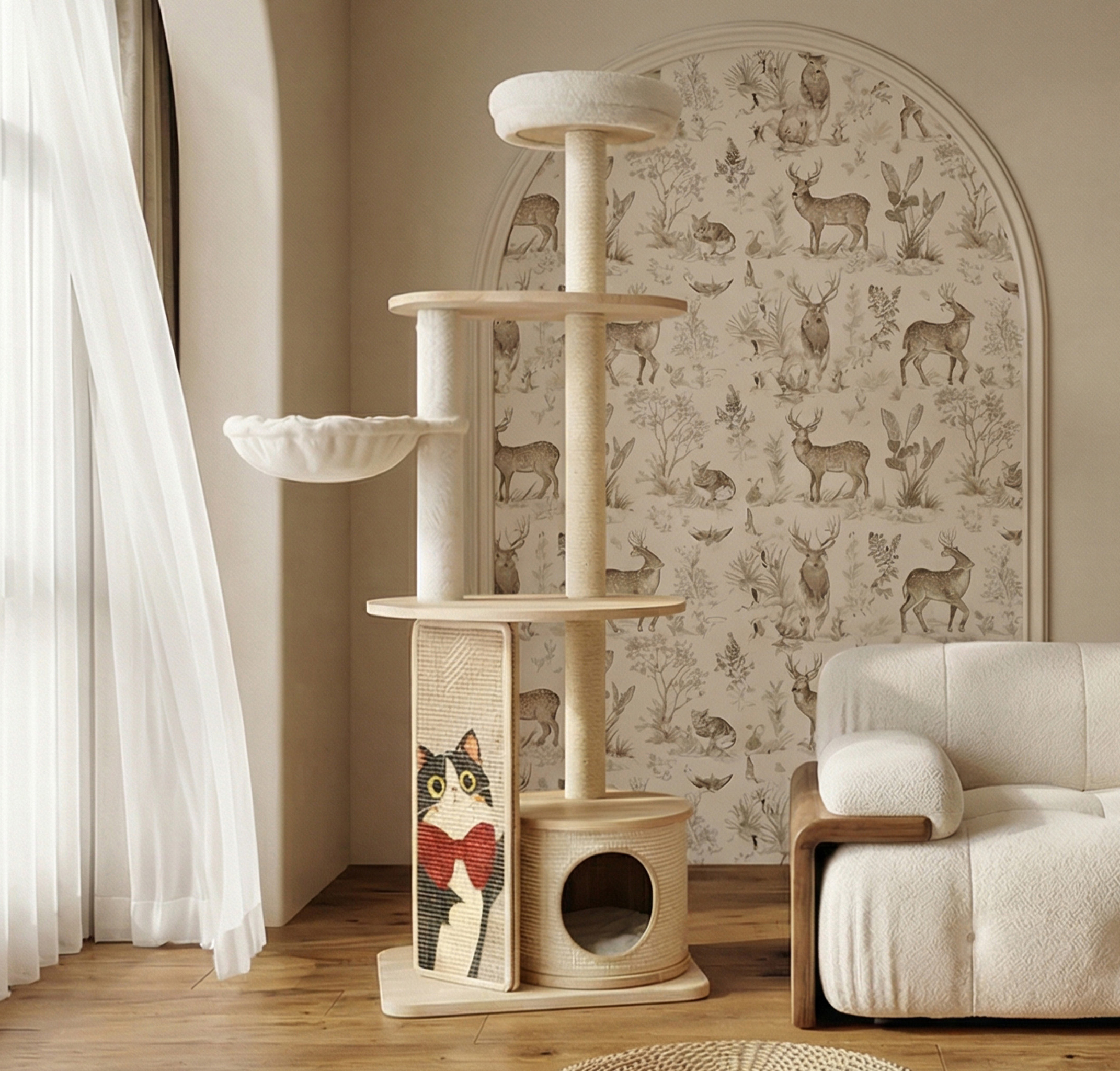
- Vertical space for climbing and observation.
- Suitable scratching surfaces.
- Daily interactive play and hunting-style enrichment.
- Secure windows, balconies and doors.
- A plan for veterinary care and travel.
Cats can suit people who prefer a quieter indoor routine and can respect body language and boundaries. Kittens usually require more supervision and may be less predictable than a settled adult cat. For many first-time owners, meeting adult rescue cats with known personalities can make matching easier.
Read our practical indoor cat care checklist before deciding.
Rabbits and Guinea Pigs: Small Bodies, Large Welfare Needs
Small mammals are often described as beginner pets, but small does not mean simple. Rabbits are active, social prey animals with complex space, diet and companionship needs.
RSPCA guidance states that rabbits generally need a compatible rabbit companion and substantial room to hop, run, stand, hide and explore. Rabbits commonly live 8 to 12 years or longer. They are fragile and often prefer interaction at floor level rather than being picked up.
Guinea pigs also need companionship with a suitable member of their own species, a large secure habitat, daily cleaning and species-appropriate nutrition.
Rabbits or guinea pigs may fit a household that can commit space to a proper enclosure, keep compatible animals together and accept daily hay, bedding and cleaning. They are usually a poor choice when an adult expects a young child to provide all care or wants an animal that enjoys frequent carrying.
Welfare reminder: No child should be the sole person responsible for an animal. An adult must be ready to provide and finance care every day.
Hamsters: Nocturnal, Solitary and Better for Observation
Hamsters take up less household space than cats or dogs, but they still need a much larger, deeper and more enriched habitat than many starter cages provide.
Blue Cross guidance explains that hamsters are nocturnal and are often asleep during the day. Most species are naturally solitary and should live alone. They need deep bedding for burrowing, a suitable exercise wheel, hiding places, enrichment and gentle handling when fully awake.
A hamster may suit someone who enjoys observing natural behavior in the evening and accepts that the animal may not want frequent cuddling. A hamster may frustrate a child who expects daytime play or an adult who plans to keep the habitat in a bedroom and is sensitive to nighttime noise.
Birds: Intelligent, Social and Often a Decades-Long Commitment
Companion birds are not decorative animals. Many are highly intelligent, social and active. Their natural lives involve flying, foraging, communication and group relationships, all of which are difficult to reproduce in a home.
Bird care may include:
- A large, species-appropriate enclosure.
- Safe daily opportunities to fly and exercise.
- Social contact with compatible birds and/or trained human interaction.
- Foraging, chewing and problem-solving enrichment.
- Regular cleaning and control of household hazards.
- Species-specific diet rather than seed alone.
- Access to an avian veterinarian.
- Tolerance for calls, feathers, food scatter and damaged objects.
RSPCA guidance notes that some parrots can live for more than 50 years. A bird may therefore outlive a housing arrangement, career stage or even an owner. Beginners should investigate lifespan, noise, social needs and legal origin before choosing any species.
A bird may fit an experienced, patient household prepared for daily interaction and environmental management. It is not a low-maintenance alternative to a cat or dog.
Fish: Quiet, Technical and Not Maintenance-Free
Fish do not need walks or handling, but their environment is a life-support system. Water quality, filtration, oxygen, temperature and stocking density must be managed consistently.
RSPCA aquarium guidance recommends larger, filtered aquariums because larger water volumes are more stable. A new aquarium should complete fishless cycling before fish are added; the process takes at least two weeks and requires water testing. Clear water is not proof that ammonia and nitrite are safe.
Fish may fit someone who enjoys observation, testing, cleaning and technical routines. They are a poor match for anyone who wants a decorative bowl or plans to set up a tank and add fish on the same day.
Before buying fish, calculate:
- Adult size, not shop size.
- Compatible species and group needs.
- Minimum tank volume and total filled weight.
- Filter, heater, lighting and backup requirements.
- Weekly maintenance and water-testing time.
- Care during power loss or travel.
Reptiles and Other Exotic Pets: Research the Specialist Care First
Reptiles, amphibians and other exotic pets can require precise heat, humidity, ultraviolet lighting, nutrition and habitat design. Some need live food, specialized veterinary care or legal documentation, and many live longer or grow larger than buyers expect.
Do not choose an exotic pet because it appears quiet or compact in a shop. First confirm:
- Adult size and expected lifespan.
- Legal ownership and source.
- Safe enclosure dimensions.
- Temperature, humidity and lighting requirements.
- Food sourcing and handling.
- Local exotic-animal veterinary access.
- Risks to children, vulnerable adults and other pets.
If any of these answers are uncertain, continue researching rather than purchasing.
Match the Animal to the Household
If you work long or unpredictable hours
Do not assume a cat, fish or caged animal can simply be ignored. Consider whether another adult can share care, whether a trusted sitter is available and whether the animal's social and environmental needs can still be met every day.
If you live in an apartment
Check written housing rules before adoption. Think about noise, elevators, toilet access, safe balconies, storage, neighbors and emergency evacuation. A calm adult animal whose history is known may be easier to match than a young animal whose adult temperament and size are still developing.
If your household includes children
Choose for the adults' capacity, not the child's current enthusiasm. Children can help with supervised tasks, but adults must control handling, hygiene, safety, veterinary decisions and costs. Prey species such as rabbits and hamsters may not enjoy being lifted or chased.
If someone has allergies
Spend time around the species before committing and discuss serious allergy or asthma concerns with a qualified healthcare professional. No dog or cat breed can be assumed to be completely allergen-free. Also consider hay, bedding, feathers and aquarium products as possible household triggers.
If you travel frequently
Identify a real caregiver before adopting. Ask whether local boarding facilities accept the species and can manage medication, habitat equipment or bonded pairs. Include this cost in the normal budget rather than treating it as an exception.
Calculate the Real Cost Before You Commit
The adoption or purchase fee is rarely the largest cost. Build three budgets:
1. Setup budget: Habitat, carrier, safety equipment, bedding, litter, filtration or enrichment.
2. Monthly budget: Food, consumables, grooming and routine maintenance.
3. Resilience budget: Veterinary emergencies, diagnostics, boarding, equipment failure and replacement.
Then multiply the routine budget by the animal's likely lifespan. Ask a local veterinarian, rescue or experienced species organization for realistic local ranges. Do not rely on social-media “cheap pet” lists.
Insurance may help with some species and situations, but policies, exclusions and availability vary. An emergency savings plan is still important.
Adoption, Fostering and Adult Animals Can Improve the Match
A reputable rescue or foster network can often describe an adult animal's behavior in a home: energy level, sociability, handling preferences, litter habits, confidence and compatibility with other animals.
Fostering can help a household understand the routine before making a lifetime commitment, although it is still a real care responsibility. Adoption staff can also identify animals that need experienced homes and redirect a beginner toward a safer match.
When meeting an animal:
- Observe without forcing contact.
- Ask what behavior has been seen in a home, not only in a kennel.
- Request known veterinary and vaccination records.
- Discuss children, existing pets and visitors honestly.
- Ask what happens if the match becomes unsafe or unsuitable.
- Avoid anyone who pressures you to decide immediately.
Seven Red Flags That Mean “Wait”
Delay adoption if any of these statements are true:
- “The animal is small, so the care must be easy.”
- “My child promised to do everything.”
- “I have not checked the housing rules.”
- “I will find a veterinarian after a problem happens.”
- “I do not know who will provide care when I travel.”
- “I can afford the animal, but not an emergency.”
- “I want this species because of one viral video.”
Waiting is not failure. It is a responsible decision that protects both the person and the animal.
A 48-Hour Decision Checklist
Before committing, pause for at least 48 hours and complete this checklist:
- I know the animal's likely adult size and lifespan.
- I can describe the daily and weekly care routine.
- Every adult in the home agrees.
- Housing permission is confirmed in writing where necessary.
- Allergies and safety risks have been considered.
- The full habitat can be prepared before arrival.
- A suitable veterinarian has been identified.
- Routine and emergency budgets are realistic.
- Travel and backup care are arranged.
- I have researched the individual animal, not only the species or breed.
- I am prepared to adapt as the animal ages.
For a broader look at birds, fish and small animals, read our responsible home pet ecosystem guide. Dog adopters can also review how routine supports dog confidence.
Final Recommendation: Choose the Routine You Can Keep
The right first pet is not necessarily the quietest, smallest, cheapest or most popular. It is the animal whose needs match your stable resources and whose individual temperament fits your household.
Decision rule: If you cannot explain the animal's daily care, social needs, habitat, veterinary access, lifetime cost and backup plan, you are not ready to choose yet.
Good pet ownership begins before adoption. Research carefully, meet individual animals, speak with a rescue and veterinarian, prepare the full environment and give yourself permission to wait for the right match.
For retailers, distributors and pet brands
Planning a small-pet product range?
Explore product categories for rabbits, hamsters, guinea pigs and other small pets, then discuss your sourcing brief.
Explore Small Pet Products Discuss OEM/ODMFrequently Asked Questions
What is the easiest pet for a first-time owner?
There is no universally easy pet. Dogs need time and training, cats need enrichment and litter care, rabbits need space and companionship, hamsters are nocturnal, birds need complex social care and fish require water-quality management. Choose the routine you can sustain.
Is a small pet cheaper and easier than a cat or dog?
Not necessarily. A proper rabbit, guinea pig, hamster, bird or fish habitat can require substantial space, equipment, cleaning and specialist veterinary care. Compare lifetime costs rather than the animal's purchase price.
Should a child choose and care for the family pet?
Children can participate in supervised care, but an adult must accept full responsibility for daily welfare, handling, veterinary decisions and expenses. No child should be an animal's sole carer.
Is an adult rescue animal suitable for a beginner?
Often, an adult animal with a known home history can be easier to match than a puppy, kitten or juvenile. A reputable rescue can explain temperament, energy, handling and compatibility, but every animal still needs preparation and long-term care.
What should I do before bringing a pet home?
Confirm housing permission, prepare the complete habitat, identify a suitable veterinarian, calculate routine and emergency costs, arrange backup care, meet the individual animal and allow time for a non-impulsive decision.
Sources and References
- RSPCA - Am I Ready for a Pet? Choosing the Right Pet for You
- American Veterinary Medical Association - Choosing a Veterinarian Before Acquiring a Pet
- ASPCA - Finding Your Fido: Tips for Adopting Your New Companion
- RSPCA - Pet Rabbits and Their Welfare Needs
- Blue Cross - Choosing the Right Small Pet
- RSPCA - How to Care for Your Pet Bird
- RSPCA - Choosing and Preparing an Aquarium for Pet Fish
About this article
ShineePets Editorial Team creates practical, welfare-first pet care guides using veterinary and animal welfare sources.
ShineePets is a commercial B2B pet-supply sourcing brand. Read our editorial standards and commercial disclosure.
Continue Reading
A Practical Cat Care Routine: A Daily Checklist for Happy Indoor Cats
A clear daily routine helps indoor cats stay comfortable, engaged, and healthier. This guide gives a practical checklist you can use immediately.
Beyond Cats and Dogs: Building a Responsible Home Pet Ecosystem
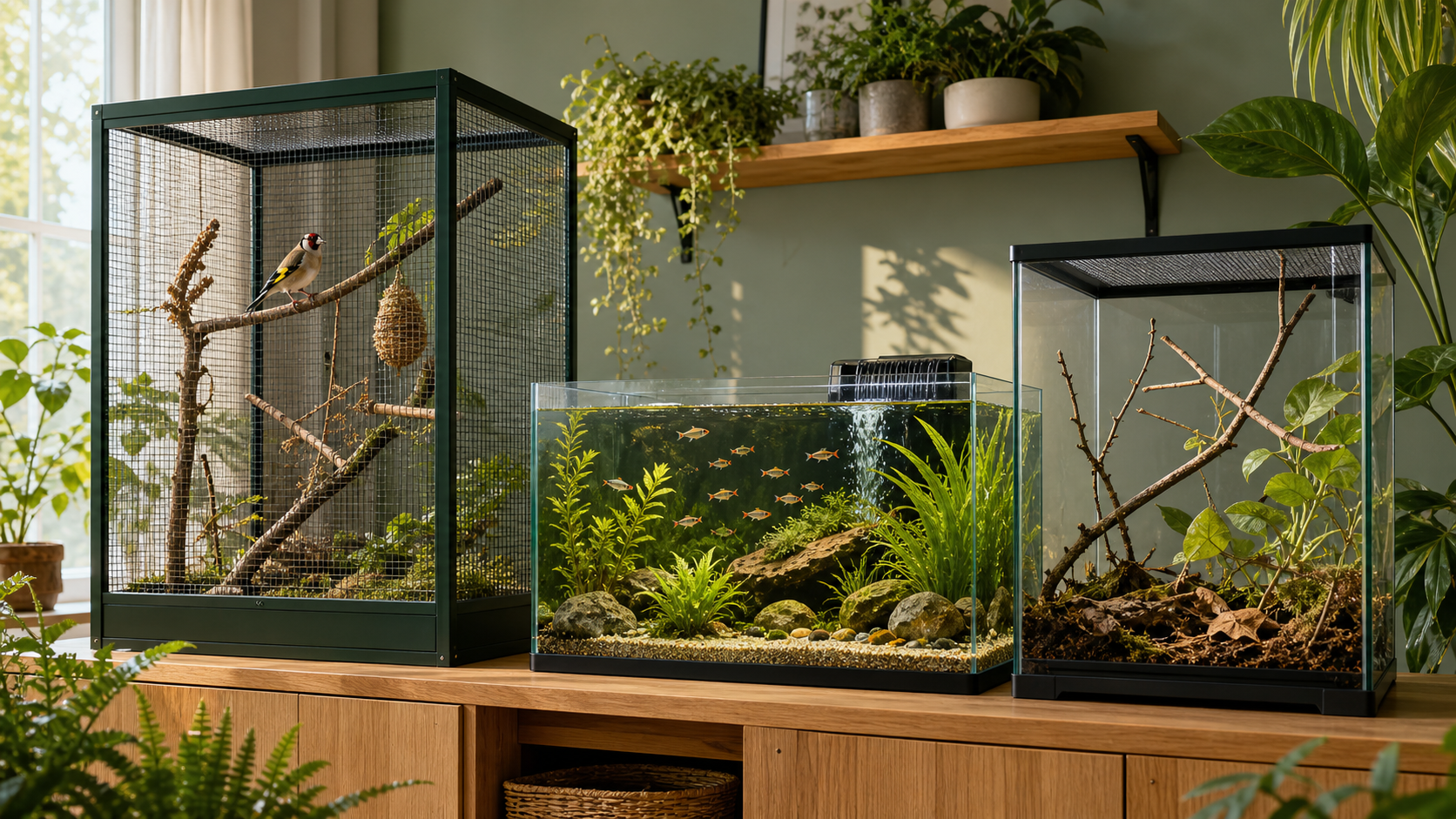
A science-based guide to creating separate, species-appropriate habitats for pet birds, aquarium fish, invertebrates and living plants at home.
How a Simple Routine Supports Dog Confidence and Growth
A practical guide to dog routines that supports calmer behavior, clearer daily habits, and healthier home care consistency.