Retail & Distribution
Pet Starter Kits: What to Include and What to Avoid
Quick answer
A retailer framework for species-specific pet starter kits: choose useful core items, leave fit and diet decisions open, and test the full bundle before launch.
By ShineePets Editorial Team · Published · Updated
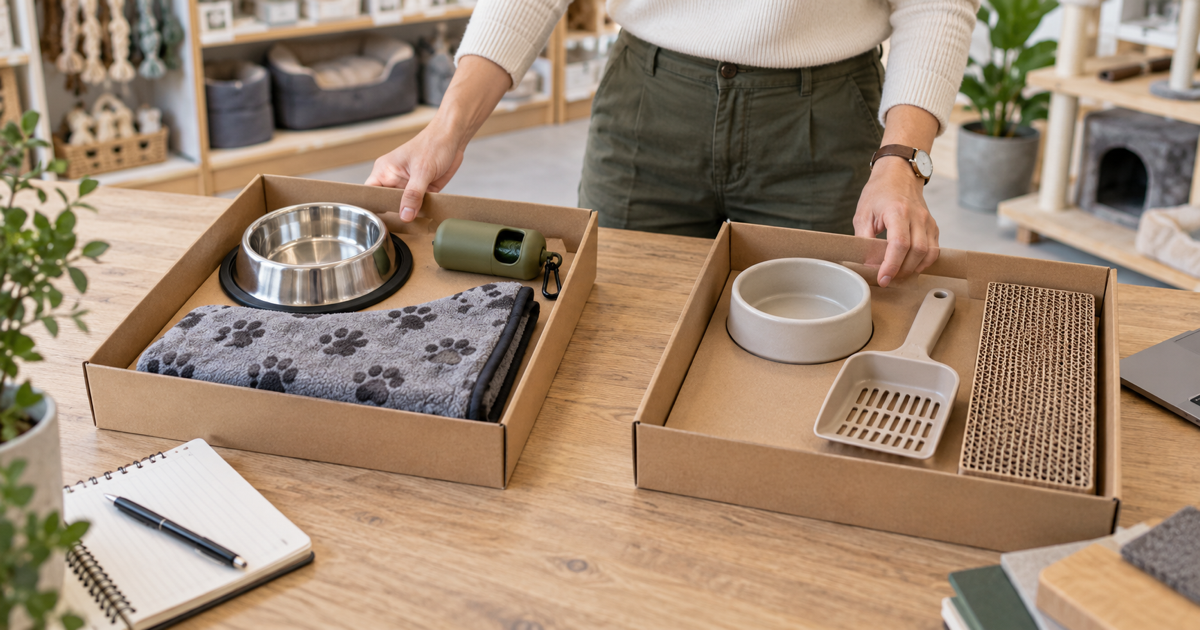
Pet starter kits should help a new owner complete one immediate care task, not pretend to contain everything an animal will ever need. For retailers, the sound approach is a clearly named dog, cat or other species-specific base kit with a few durable, easy-to-use items, plus a short “choose separately” list for food, fitted gear, habitats and other individual decisions. A universal pet kit creates mismatches: a cat needs a litter area and scratcher, a dog needs identification and walking equipment, and a hamster needs a habitat that supports burrowing. Cats Protection's new-cat guide Humane World dog-homecoming guide RSPCA hamster-housing guide
This is a kit-design and buying guide for pet retailers, not a replacement for species-specific care instructions. Its practical question is: which items can a retailer responsibly preselect, and which choices must remain with the buyer? The answer should be visible on the shelf, on the product page and in the box.
Design Pet Starter Kits Around a Specific First Task
Write a one-sentence kit brief before asking a supplier for samples. For example: “For a first-time adult-cat adopter setting up a quiet room tonight,” or “For an adult-dog adopter preparing a feeding and cleanup station.” Name the species, life stage or size band, intended setting and *what the kit does not cover*. A kit with no defined use case tends to collect cheap extras instead of solving a customer problem.
Cats Protection identifies food, water, litter, hiding, scratching and transport as distinct needs when a cat first arrives. Humane World lists dog-specific walking and identification supplies alongside food and rest. These are not interchangeable shopping lists; they show why the retailer must define the animal and situation before bundling components. Cats Protection Humane World for Animals
Use three gates for every proposed component:
1. Needed now: Does it help the stated first-day task, or is it an optional upsell?
2. Safe to preselect: Can a reasonable specification fit the target animal without measuring, dietary history or veterinary advice?
3. Usable together: Does the component work with the others and leave the owner with clear instructions for setup, cleaning and replacement?
If any answer is no, move the item to a selectable add-on or a “buy separately” card. This decision rule is a merchandising framework, not a claim that one product is safe for every pet.
What Belongs in the Core Box?
The core should be small enough that every item has a job. A narrowly specified dog base kit might contain a stable, washable bowl, waste-bag supplies and a washable floor mat. A cat base kit might contain a stable bowl, a litter scoop and a simple flat scratcher. State the intended animal profile and component dimensions rather than labeling either assortment “complete.” The previous owner or rescue can advise on familiar food and litter, so the retailer should not force an unfamiliar choice into a fixed bundle. Humane World for Animals Cats Protection
For small mammals, do not shrink dog or cat logic into a miniature box. A hamster's housing must permit deep, suitable bedding for burrowing and safe nesting material; RSPCA warns against fluffy, strand-forming nesting products. A small bag of decorative bedding or a tiny display cage cannot stand in for a properly planned habitat. RSPCA hamster-housing guidance
Choose materials and finishes that survive ordinary use: smooth edges, secure joins, no loose decorative pieces, and surfaces that can be cleaned according to the supplied instructions. For a bowl, verify that the claimed dishwasher suitability is supported by its label and construction. For textiles, check washability, seam strength and whether a damaged piece can be replaced individually. CDC advises following product-specific cleaning instructions and notes that pet bowls, beds and toys need routine cleaning. CDC pet-supply cleaning guidance
What to Leave Out, Offer as a Choice or Never Bundle
Keep out of a fixed box when fit or history matters. Dog collars, harnesses, carriers, beds and many habitats need the actual animal's measurements and use case. A wrong-size walking or transport item is not made safer by a discount. Provide a sizing guide and a separately selectable option instead. Do the same for a cat's litter type or a large enclosure whose dimensions determine whether the animal can use it properly. Humane World dog-homecoming guide RSPCA hamster-housing guidance
Do not add food merely to make the box feel full. A new pet may need to continue its familiar food initially. If a retailer does offer a food-containing version, treat food as a separately specified and reviewed component: verify species and life-stage suitability, original labeling, shelf life, lot identity, storage and the rules of each destination market. In the United States, FDA describes animal-food labeling requirements and explains that disease-treatment claims can change how a product is regulated. A plain merchandise sleeve must not hide required information on the original food package. Humane World for Animals US FDA animal-food guidance
Exclude medicines, parasite products and “treats anxiety” or disease claims from a general starter kit. These decisions depend on the pet and the destination market; veterinary assessment should not be replaced by promotional copy. Avoid oversized toy bundles, fragranced products and unverified “eco-friendly” claims as padding. The UK Competition and Markets Authority's Green Claims Code checklist explains that environmental claims should be accurate, clear and supported by credible evidence; other markets need their own review. US FDA animal-food guidance UK CMA Green Claims Code
Test the Whole Kit, Not Just Its Parts
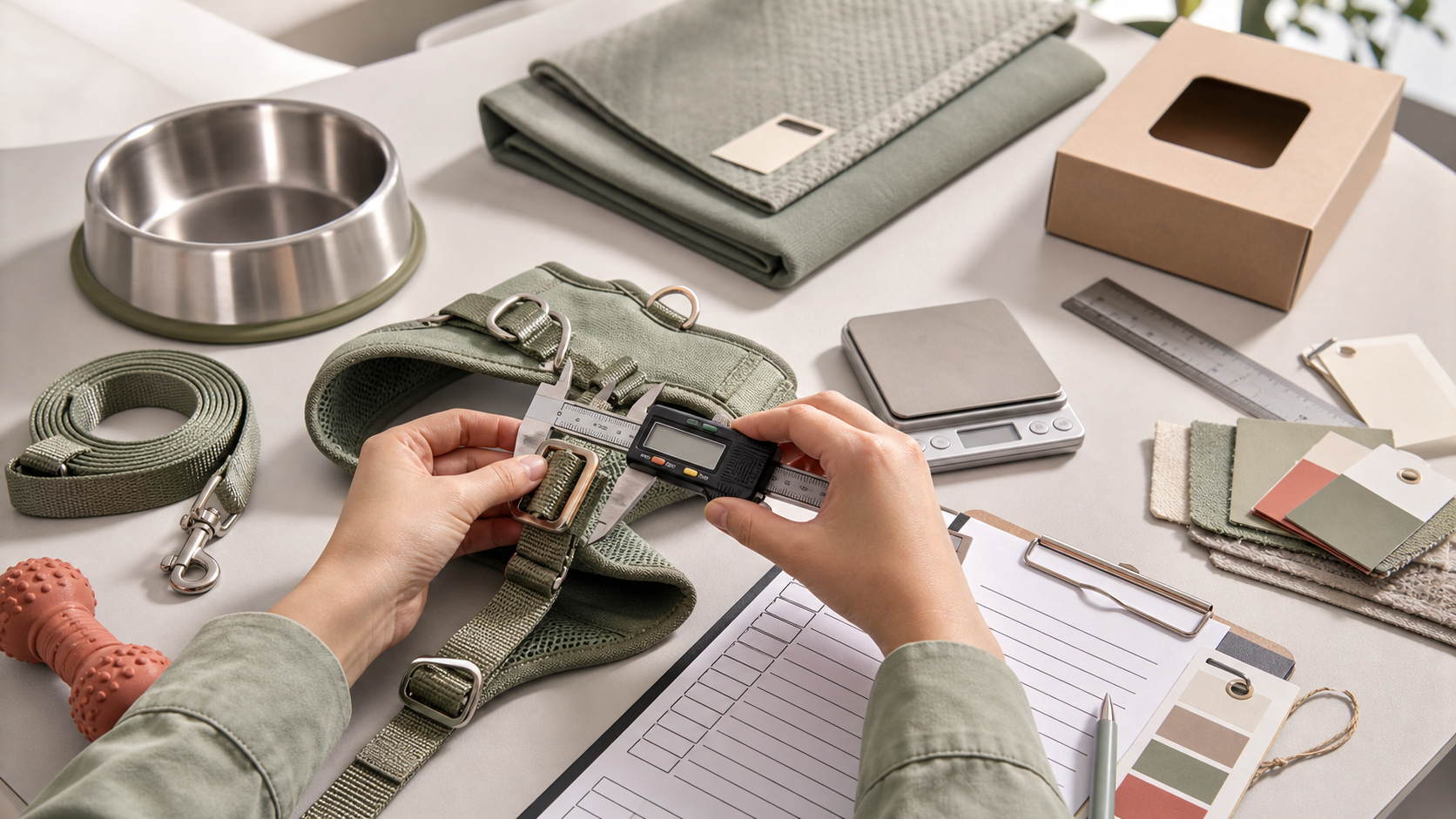
A kit can fail even when each component passed an individual sample check. Assemble a production-representative box and run an unboxing trial with someone who did not design it. Can they identify the target species, understand what is missing and set up the included items without guessing? Can they remove one component without damaging another? Does the box protect a ceramic or metal bowl without excessive filler? Could transit crush the scratcher, leak a liquid or hide a small loose part?
Record a component-level acceptance decision for each sample:
- Identity: item name, material, size, intended species and supplier revision.
- Safety and function: edges, seams, fasteners, stability, any detachable parts, and realistic use by the target animal.
- Maintenance: cleaning method, drying, replacement availability and any part that cannot be cleaned as claimed.
- Pack-out: quantity, orientation, protection, box weight, transit damage and separation from any food or liquid.
- Information: component instructions, limitations, lot or batch reference where relevant, and a clear list of excluded essentials.
Keep a record of complaints and defects by kit and by component. In the United States, CPSC explains that retailers of covered consumer products can have reporting duties when they learn of certain safety risks. The precise rule depends on the product and jurisdiction; do not assume a pet-kit bundle is exempt or that one US rule governs every market. US CPSC retailer guidance
For a deeper controlled-sample process, our pet-product sample approval sheet guide describes fields, ownership and sign-off rules. Use a kit-level bill of materials and retain approved component revisions so a later supplier substitution does not silently change what customers receive.
Make the Label Explain the Boundary of the Kit
The front and online listing should say “adult-dog feeding and cleanup starter kit,” not just “everything for your new pet.” Show the contents and quantities, intended species and size or life-stage assumptions, important exclusions, care instructions, and a route to choose fit-dependent items separately. Do not let a photograph of a carrier or large habitat imply that it is included when it is not.
Before launch, have a buyer, customer-service colleague and someone responsible for product compliance review the same sample. Ask each to identify the first owner question they cannot answer from the box. Fix the copy or product specification before expanding the assortment. A small pilot can track missing-item questions, component damage and returns; do not invent a success percentage before you have real store data.
If a customer reports that a pet may have swallowed a potentially hazardous component or is having trouble breathing, treat it as a veterinary concern, not an ordinary product-return script. Advise immediate veterinary help for serious signs and preserve the product details for the clinician and safety review. ASPCA advises prompt professional guidance after potentially hazardous ingestion and immediate hospital care for life-threatening signs. This article offers retail product guidance, not veterinary diagnosis or treatment. ASPCA emergency guidance
The strongest pet starter kit makes the first task easier while making the remaining choices unmistakable. That clarity is better for the animal, the new owner and the retailer than a larger box that promises more than it can responsibly deliver.
Sources and Further Reading
- Bringing a Cat Home — Cats Protection
- How to Bring Your New Dog Home — Humane World for Animals
- Creating a Good Home for Hamsters — RSPCA
- Cleaning and Disinfecting Pet Supplies — CDC
- Animal Food Labeling and Pet Food Claims — US FDA
- Retailers: Product Safety and Your Responsibilities — US CPSC
- The Green Claims Code Checklist — UK CMA
- My Pet Ate Something: When Should I Seek Help? — ASPCA
For retailers, distributors and pet brands
Turn this insight into a sourcing plan
Browse the ShineePets B2B catalog or discuss product selection, packaging, private-label and OEM/ODM requirements.
Explore the Wholesale Catalog Discuss OEM/ODMFrequently Asked Questions
Can one pet starter kit work for dogs, cats and small mammals?
Not as a complete care solution. A retailer can reuse a packaging system, but contents and exclusions should be built around one species and one clear first-day task.
Should food be included in a pet starter kit?
Usually leave it selectable so owners can continue a familiar, suitable diet. If you create a food-containing version, review the original label, shelf life, storage, species suitability and destination-market rules separately.
Is a “complete new pet kit” label a good idea?
Only if the claim accurately describes what is in the box and what the target animal still needs. In most cases, a specific task label and an explicit “buy separately” list are more useful.
How should a retailer handle size-dependent products?
Offer them as measured add-ons or separate variants with clear fit instructions. Do not quietly place a one-size harness, carrier or bed in a fixed kit when the target animal may not fit.
What should be checked before selling a bundled kit?
Approve each component and the assembled box. Check function, cleanability, packaging protection, instructions, excluded essentials, lot or revision records, and a process for handling complaints.
Sources and References
- Bringing a Cat Home — Cats Protection
- How to Bring Your New Dog Home — Humane World for Animals
- Creating a Good Home for Hamsters — RSPCA
- Cleaning and Disinfecting Pet Supplies — CDC
- Animal Food Labeling and Pet Food Claims — US FDA
- Retailers: Product Safety and Your Responsibilities — US CPSC
- The Green Claims Code Checklist — UK CMA
- My Pet Ate Something: When Should I Seek Help? — ASPCA
About this article
ShineePets publishes practical, source-checked guidance for pet owners and pet-product professionals.
ShineePets is a commercial B2B pet-supply sourcing brand. Read our editorial standards and commercial disclosure.
Continue Reading
Pet Product Sample Approval Sheet: Fields, Owners and Sign-Off Rules
Build a controlled pet product sample approval sheet with clear identity, revision, evidence, ownership, deviation and sign-off fields before bulk production.
How Retailers Can Build a Balanced Pet Product Range
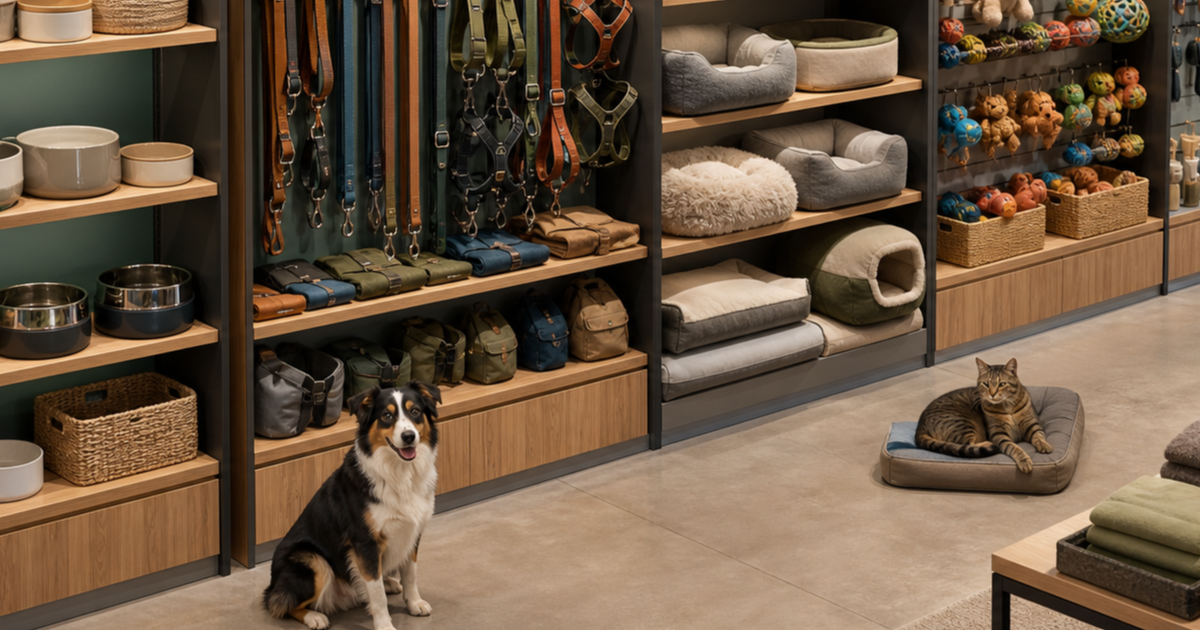
A practical framework for pet retailers to balance categories, SKU depth, price tiers, inventory, compliance and controlled product testing.
Essential Supplies for Rabbits, Hamsters and Guinea Pigs
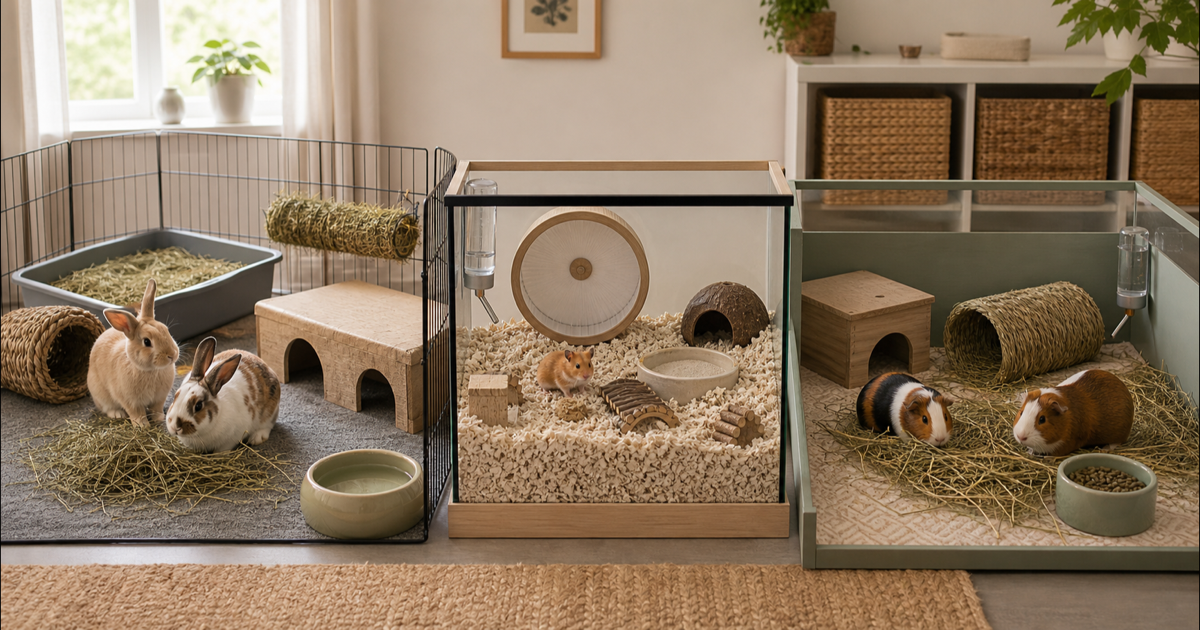
Compare species-specific housing, food, bedding, hides, enrichment, transport and cleaning supplies for rabbits, hamsters and guinea pigs.