Dog Care
Winter Dog Walks: Paws, Visibility and Outdoor Gear
Quick answer
Plan safer winter dog walks with a conditions check, paw protection, low-light visibility gear, correct fit and a practical return-home routine.
By ShineePets Editorial Team · Published
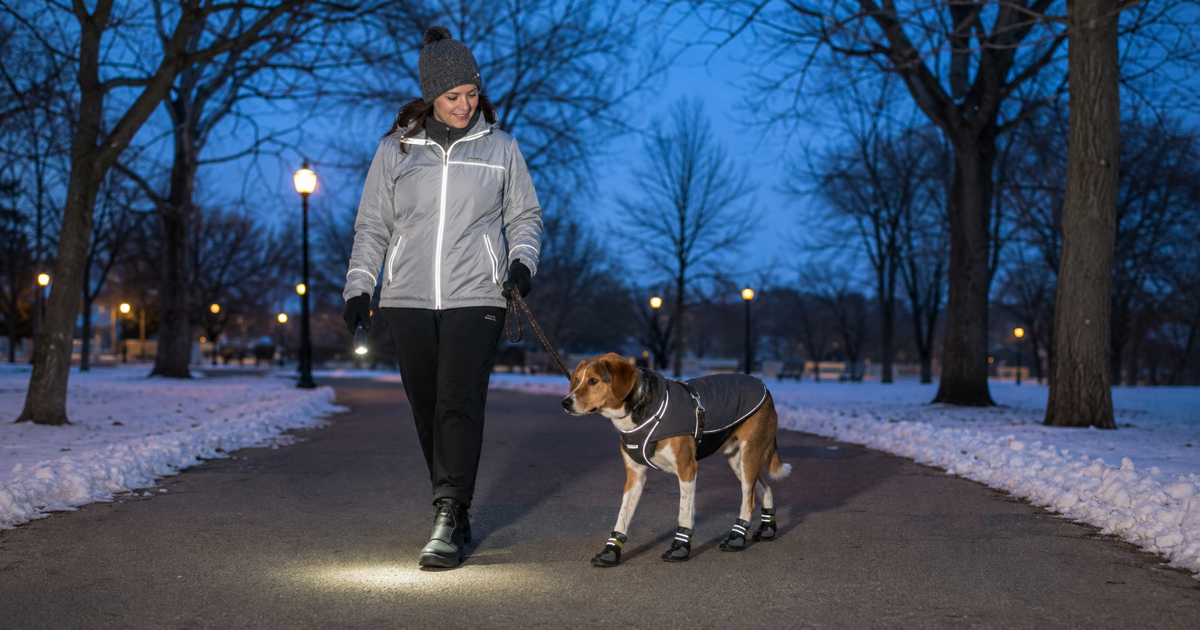
Safe winter dog walks begin with a conditions check, not a shopping list. Choose a cleared, well-lit route; shorten or replace the walk when cold, wind, wetness or ice exceeds your dog's tolerance; protect paws from frozen surfaces and de-icers; and make both dog and handler visible. A coat, boots or light can reduce a specific risk only when it fits, stays secure and does not restrict normal movement.
There is no single temperature that is safe for every dog. Size, coat, age, body condition, health, acclimation, wind, moisture and time outdoors all change risk. Watch the dog in front of you. Paw lifting, reluctance to move, a tucked posture, whining, unusual anxiety or shivering means it is time to turn back and get warm. Weakness, confusion, shallow breathing, collapse or suspected poisoning requires urgent veterinary help.
Winter Dog Walks Start With a Go-or-Change Check
Before attaching the leash, check the whole route and the individual dog:
- Surface: Is the path cleared, gritty, icy, deeply snow-covered or treated with de-icer?
- Exposure: Is it windy, wet or likely to become colder during the walk?
- Light: Can drivers, cyclists and other walkers see you at every crossing?
- Dog: Is the dog dry, moving normally and willing to go out?
- Backup: Can you shorten the loop quickly, and do you have a towel and phone?
Cornell University College of Veterinary Medicine notes that cold tolerance varies with age, size, health, coat thickness and acclimation. It advises moving a dog to a warm, dry area when signs such as paw lifting, reluctance to walk, a tucked posture, whining or shivering appear in its winter safety guidance.
Change the plan when conditions are poor. A toilet break plus indoor scent games can be safer than completing the route. Avoid frozen ponds and lakes even if the surface looks solid; the RSPCA advises keeping dogs on a lead around winter hazards because snow can conceal unsafe ground and thin ice can fail in its cold-weather dog guidance.
Protect Paws in Layers
Winter paw care is a sequence: reduce contact, add protection where useful, then clean and inspect. Boots are not the first or only control.
1. Prefer cleared routes with less salt, sharp ice and compacted snow.
2. Check pads, nails and the skin between toes before leaving.
3. Use well-fitted boots if the dog has been trained to wear them comfortably.
4. Recheck feet during the walk if gait changes or a boot twists.
5. On return, remove gear, rinse or wipe paws as needed, and dry between the toes.
6. Look for cuts, cracks, redness, swelling, trapped grit or persistent licking.
Ice and road salt can cause cracks or cuts, and snow can form uncomfortable balls between the toes. Cornell recommends wiping or washing away salt, de-icer and snowballs after walks. For longer-coated dogs, careful trimming around the paws may reduce ice buildup, but do not cut the coat excessively or work close to skin without safe grooming technique.
Paw balm may reduce direct exposure or dryness for some dogs, but it is not a waterproof barrier and does not make a hazardous route safe. Use a product intended for dogs, follow its label, prevent excessive licking and stop if irritation develops. A dog with a bleeding pad, deep crack, embedded object, marked swelling or persistent lameness needs veterinary advice rather than another layer of balm.
Fit Dog Boots for Movement, Not Appearance
Boots should stay aligned without squeezing the toes or rubbing the dewclaw. Measure paws while the dog is standing and weight-bearing, then follow the specific manufacturer's size method; front and rear paws may need different sizes.
Introduce boots indoors in very short, reward-based sessions. The initial high-stepping gait can settle as the dog learns where its feet are, but stumbling, freezing, chewing, repeated boot loss or skin marks means the setup needs adjustment.
Before each use, check:
- the sole flexes where the paw bends and provides useful traction;
- straps close securely without sitting over a joint or dewclaw;
- seams and hardware do not create pressure points;
- the inside is clean, dry and free from trapped grit;
- each boot remains upright after a brief test walk; and
- the dog can stand, walk, turn and toilet normally.
Remove wet boots promptly after the walk. Wash and dry them according to the care label, and retire any boot with a cracked sole, exposed hard edge, failed closure or interior damage.
Build a Two-Part Visibility System
Making only the dog visible is incomplete: drivers need to detect the handler-dog pair and understand where the leash connects them. Choose well-lit paths when possible, wear reflective outerwear yourself and add reflective material to the dog's harness, coat or leash. A small light can supplement reflection and help you inspect the ground, but it should not flash into the dog's eyes or replace route lighting.
The RSPCA's responsible dog-walking guidance recommends reflective equipment so the dog and handler can be seen in the dark. Cornell also advises reflective clothing and a flashlight, and cautions against expandable leashes where pulling and ice can combine to cause slips.
For low-light walks:
- use a fixed-length leash that gives reliable control without dragging;
- attach it to correctly fitted walking equipment;
- place reflective details where a coat will not cover them;
- keep identification current and readable;
- replace dim batteries before they fail; and
- test the complete setup from a distance in low light, not only under indoor lighting.
Do not rely on decorative glow, a phone screen or a single small tag light as the only visibility measure. Reflective material works only when light reaches it, while an active light depends on placement, battery and weather resistance. Redundancy is useful.
Match Outdoor Gear to the Actual Hazard
| Hazard or need | Useful option | Fit and use check | Common failure |
|---|---|---|---|
| Salt, grit or packed snow | Protective boots | Correct paw size; secure, dry interior; natural gait | Twisted boot, pressure point or trapped moisture |
| Cold, wind or wet coat | Dog coat or jacket | Covers core without restricting shoulders, toileting or harness | Overheating, chafing or wet fabric left on indoors |
| Darkness | Reflective gear plus a light | Visible on both handler and dog; light aimed safely | Gear hidden by coat or dead battery |
| Slippery paths | Cleared route, controlled pace and traction | Dog and handler can stop and turn safely | Assuming boots make ice safe |
| Sudden weather change | Short loop, towel and phone | Quick route home remains available | Continuing because the normal distance is unfinished |
A winter coat is most useful for dogs that struggle to retain heat, including many small, thin-coated, young, older or unwell dogs. It should be snug without compressing the chest, restricting the shoulders or obstructing toileting. Check beneath straps and edges after use. A thick-coated, active dog may need less insulation; panting, slowing or seeking snow can signal that the layer is too warm.
The PDSA identifies very young, small, elderly, underweight and unwell pets as higher risk for hypothermia in its veterinary hypothermia guidance. Dogs with arthritis, heart or breathing conditions, or recent illness need an individual plan from their veterinarian rather than a generic gear rule.
For the walking base layer, review our guide to fitting a dog collar safely and comfortably. A collar carrying identification may remain useful, but dogs that pull, cough or need better body control may require a well-fitted harness selected with professional advice. Our essential dog supplies checklist covers identification, walking and emergency basics.
Use a Five-Minute Return-Home Routine
End the walk by dealing with moisture and contamination before the dog settles or licks its feet:
1. Remove boots, coat and harness in a well-lit area.
2. Wipe or rinse paws, lower legs and belly where de-icers or road spray may collect.
3. Dry the coat and skin, including between the toes.
4. Inspect pads, nail beds, webbing and pressure points under gear.
5. Hang wet equipment open to dry, and store chemicals out of reach.
De-icers can irritate paws and may cause mouth or digestive injury if ingested. Antifreeze containing ethylene glycol can be deadly. The ASPCA advises immediate veterinary care after suspected antifreeze ingestion and taking the product packaging to the hospital in its antifreeze safety article. Do not wait for symptoms or try a home remedy; contact a veterinarian or appropriate animal poison service immediately.
Know When Cold Exposure Is an Emergency
Turn back before the dog becomes exhausted or disoriented. Once indoors, gently dry a wet dog and warm the environment gradually. Suspected hypothermia or frostbite is not a situation for a very hot bath, direct heater or vigorous rubbing.
Seek urgent veterinary care for weakness, confusion, slow or shallow breathing, pale gums, collapse, unconsciousness, painful or discolored skin, or suspected poisoning. The Merck Veterinary Manual emergency guide advises drying a wet animal, warming slowly and avoiding rubbing or very hot water when frostbite is suspected. PDSA also recommends immediate veterinary contact even after first aid.
Final Winter Walk Checklist
- The route is cleared, lit and away from frozen water.
- Walk length matches today's wind, wetness, surface and the individual dog.
- Collar or harness fits correctly and identification is current.
- The leash is fixed-length, intact and easy to control with gloves.
- Boots, if used, stay aligned and allow a natural gait.
- A coat, if needed, permits normal movement and toileting.
- Reflective elements are visible on both dog and handler.
- A working light, phone and towel are available.
- Paws and belly will be cleaned, dried and inspected on return.
- Cold stress, frostbite or toxin exposure triggers prompt veterinary care.
The safest winter setup is the one that lets you change the plan early. Gear can improve comfort, grip, visibility and paw protection, but route choice, observation and a quick return home remain the most important controls.
*This article provides general dog-care information and does not replace veterinary diagnosis or treatment. Suspected hypothermia, frostbite, poisoning or significant paw injury requires prompt veterinary care.*
Sources and Further Reading
For retailers, distributors and pet brands
Building a dog-product assortment?
Explore dog toys, grooming, feeding, beds and travel products, with B2B sourcing and customization support.
Explore Wholesale Dog Products Discuss OEM/ODMFrequently Asked Questions
How cold is too cold for a winter dog walk?
There is no universal cutoff. Wind, wetness, duration, surface conditions and the dog's size, coat, age, health and acclimation all matter. Turn back when the dog lifts paws, shivers, slows, tucks up or resists walking.
Should dogs wear boots for winter walks?
Boots can reduce contact with ice, salt and de-icers when they fit correctly and the dog is trained to wear them. They are optional for some routes and dogs, and they do not make slippery ice safe.
Is reflective dog gear enough for walking in the dark?
No. Use well-lit routes where possible, make both handler and dog reflective, and carry a working light. Check that a coat does not hide the reflective areas.
Should I wash my dog's paws after walking on salted roads?
Wipe or rinse the paws, lower legs and belly as needed, then dry carefully between the toes. Check for redness, cracks, cuts and trapped grit before the dog can lick residues.
What should I do if my dog may have licked antifreeze?
Contact a veterinarian or appropriate animal poison service immediately and bring the product label or container if it is safe to do so. Do not wait for symptoms or try a home remedy.
Sources and References
About this article
ShineePets publishes practical, source-checked guidance for pet owners and pet-product professionals.
ShineePets is a commercial B2B pet-supply sourcing brand. Read our editorial standards and commercial disclosure.
Continue Reading
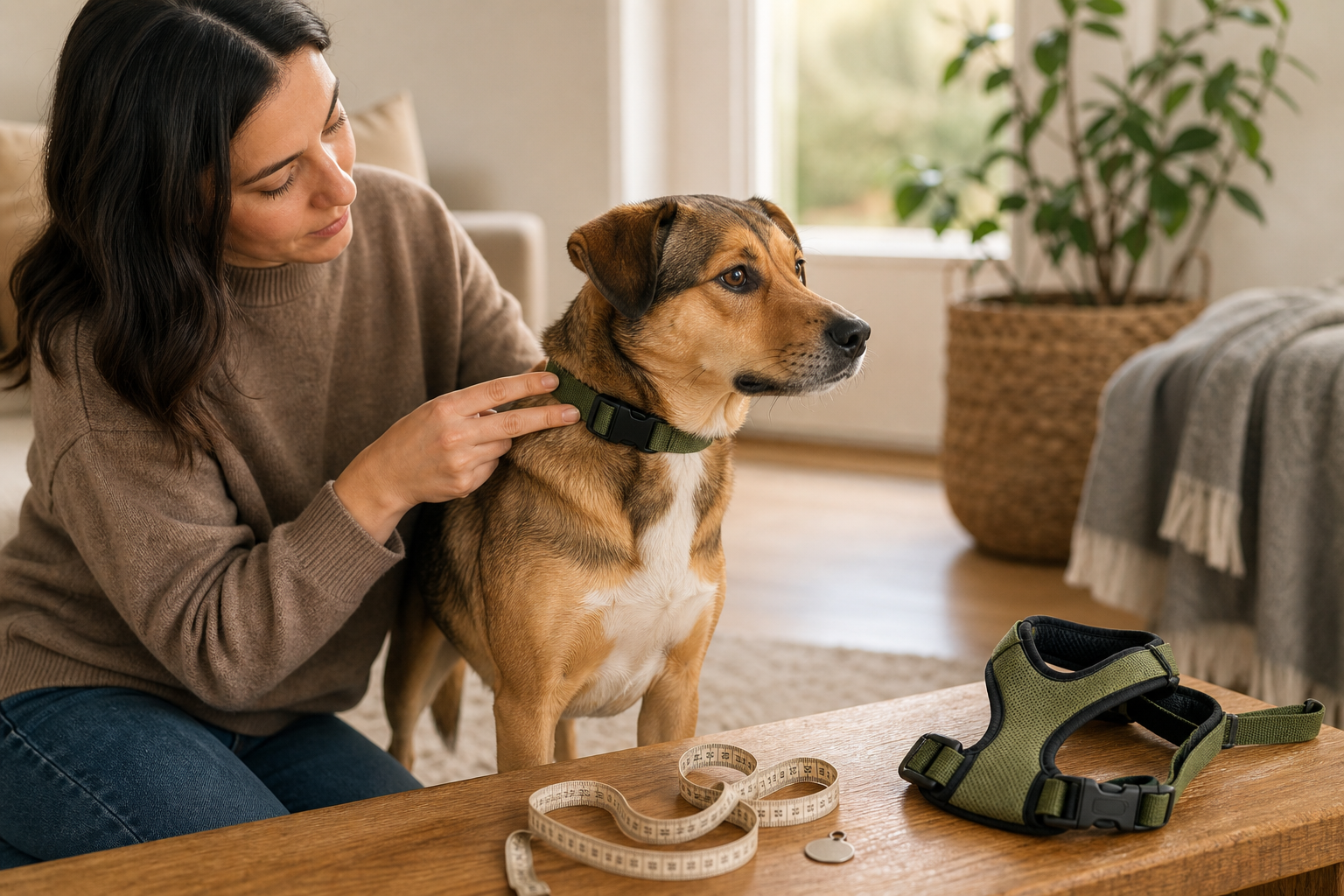
How to Fit a Dog Collar Safely and Comfortably
A step-by-step guide to measuring and fitting a flat dog collar, checking comfort and escape risk, and knowing when a harness is safer.
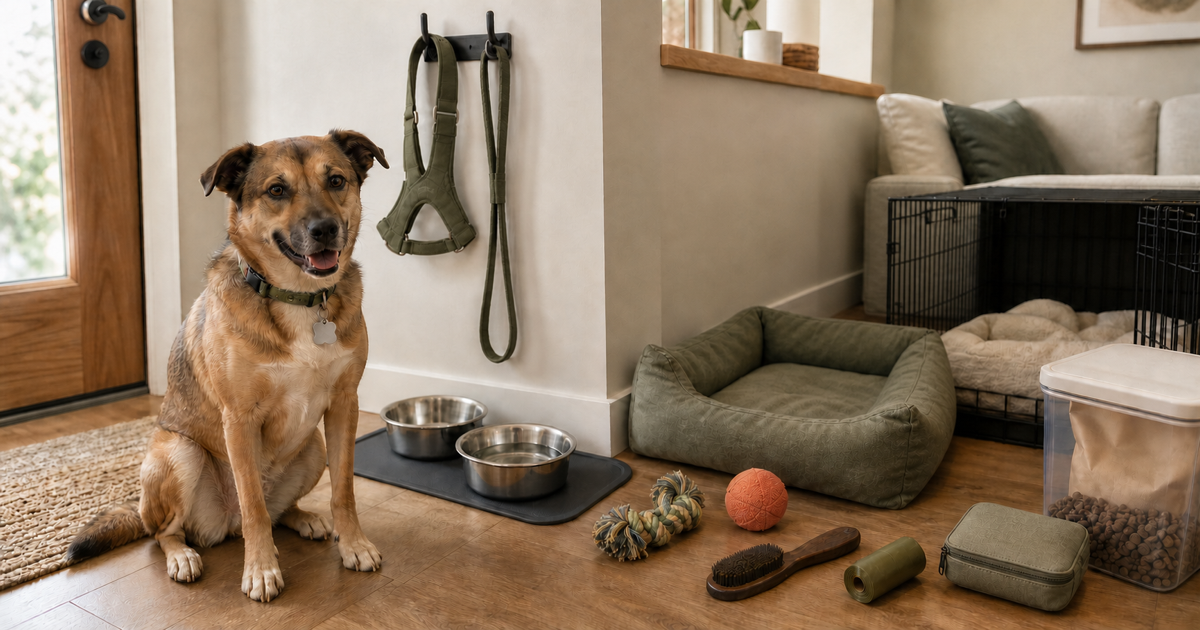
Essential Dog Supplies: A Complete Buying Checklist
Prioritize feeding, identification, walking, rest, enrichment, grooming, cleanup and emergency supplies for one specific dog.