Dog Care
Essential Dog Supplies: A Complete Buying Checklist
Quick answer
Prioritize feeding, identification, walking, rest, enrichment, grooming, cleanup and emergency supplies for one specific dog.
By ShineePets Editorial Team · Published · Updated
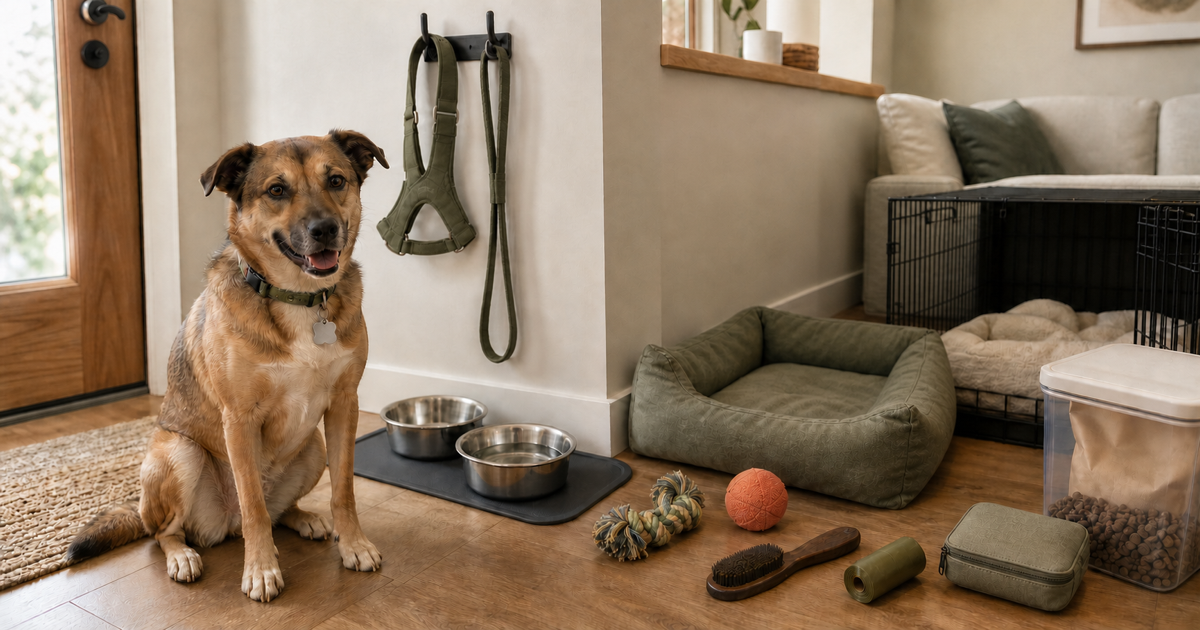
The essential dog supplies are the items that let you feed, identify, walk, rest, contain, enrich and clean up after one specific dog safely. Buy the true essentials before arrival: the dog's current food, water and food bowls, identification, a correctly fitted walking setup, a quiet sleeping place, waste-cleanup items and a secure way to manage the home. Delay specialized bowls, beds, grooming tools and advanced toys until you know the dog's measurements, health, coat, chewing style and daily routine. A large “dog starter kit” is not automatically complete—and can waste money on poor-fit products.
Key Takeaways
- Build the checklist around the individual dog's size, age, health, behavior and home—not a breed photo or generic size label.
- Separate must work on day one items from products that should be selected after observation.
- Identification, a walking system, food and water, rest, cleanup and safe home management come before convenience gadgets.
- Check usable dimensions, materials, construction, cleaning instructions and replacement criteria before buying.
- Keep first-aid supplies and veterinary contacts ready, but do not use them as a substitute for professional care.
Essential Dog Supplies by Buying Priority
| Priority | What belongs here | Why |
|---|---|---|
| Before the dog arrives | Current food, two stable bowls, collar and ID tag, harness and leash, waste bags, bed or washable rest surface, home barrier or suitable crate if needed, safe starter toys, cleaning supplies | These support the first meals, walks, rest periods and household safety |
| After measuring or observing | Long-term bed, specialized bowl, coat-specific brush, chew products, enrichment toys, travel restraint, weather gear | Fit and use depend on body shape, mobility, coat, chewing and routine |
| Only for a demonstrated need | Slow feeder, raised feeding setup, clothing, paw protection, training devices, extra storage systems | These products solve particular problems; they are not universal essentials |
This priority system keeps the first purchase practical. It also leaves room to learn what the dog actually uses comfortably.
Make a Dog Profile Before Shopping
Record five details before comparing products:
1. Body measurements: neck, chest girth, back length, relaxed sleeping length and current weight.
2. Life stage and mobility: puppy, adult or senior; easy or limited access to floors, steps and vehicles.
3. Behavior: calm or worried in confinement, gentle or destructive with toys, likely to pull or attempt escape.
4. Coat and skin: length, density, shedding pattern and any veterinary restrictions.
5. Household context: other pets, children, floor type, outdoor access, transport and storage space.
These inputs prevent common mismatches: bed exterior width does not reveal usable sleeping area, and a harness size name does not replace body measurements. The 2026 Merck Veterinary Manual overview of preventive care treats home care, enrichment, housing, travel, nutrition and behavioral wellness as connected responsibilities.
Feeding and Water Supplies
Start with the food the dog is already eating unless a veterinarian or the rehoming organization gives different instructions. Abrupt diet changes can be difficult to evaluate during an already unfamiliar transition. The RSPCA advises choosing a diet appropriate to the dog's age, lifestyle and health needs and providing constant access to clean drinking water in its dog feeding guidance.
Buy:
- one stable food bowl and one larger water bowl;
- a dedicated measuring scoop or scale-based portioning method;
- a washable feeding mat if the floor needs protection; and
- secure food storage that preserves the package information.
Prefer bowls with smooth, accessible surfaces and a base that does not slide during use. Choose depth and diameter for the dog's muzzle and posture. A slow feeder or raised bowl is not a default upgrade; use one only for a clear feeding or accessibility need discussed with a veterinarian when health is involved. Our guide to choosing dog bowls by life stage explains the fit checks in detail.
The FDA recommends retaining the original food package or placing the whole bag inside a clean, dry lidded container so the product name, lot number and best-by information remain available. Its pet-food storage guidance also calls for cleaning and drying bowls and utensils regularly and washing storage containers between bags.
Identification and Walking Equipment
A basic outdoor system contains four separate functions:
- Identification: a comfortable collar with a readable contact tag, plus any locally required license or rabies tag.
- Control: a properly fitted harness or appropriate walking collar selected for the individual dog.
- Connection: an intact fixed-length leash with hardware rated for the dog's size and handling needs.
- Cleanup: correctly sized waste bags carried on every walk.
Check the collar and harness for adjustment range, edge comfort, buckle security, stitching and escape risk. Recheck growing puppies frequently. A microchip adds a permanent identification method, but visible identification remains useful. ASPCA general dog-care guidance recommends following local licensing rules and using a collar license, ID tag and implanted microchip or tattoo to help a lost dog return home. See our dog collar fitting guide for a step-by-step fit check.
Do not buy corrective equipment simply because it promises easier walking. For pulling, freezing, lunging or escape attempts, first verify fit and seek reward-based training or qualified behavior help.
Rest, Containment and Home Management
Every dog needs a quiet, dry, clean place where it can rest without being disturbed. RSPCA home-environment guidance also emphasizes a safe retreat, regular toilet access, exercise and a hazard-free home.
For the first nights, provide a washable bed, mat or folded bedding large enough for the dog's natural sleep posture. Choose the permanent bed after observing whether the dog curls, stretches, runs warm, has accidents or struggles with high edges. Use internal sleeping dimensions rather than the retail size name; our dog bed buying guide provides the measuring method.
A crate or exercise pen can support transport, recovery plans and gradual home management, but it is not mandatory for every home and should not be used as punishment. If selected, the crate must allow comfortable standing, turning and resting. Introduce it gradually and watch for panic or attempted escape. Gates, closed doors and a puppy-safe room may be better for some dogs. The Humane World new-dog guide recommends preparing supplies and routine before arrival rather than opening the whole home immediately.
Toys, Chews and Training Tools
Begin with a small, varied set instead of a full toy box:
- one food-free interactive or foraging item;
- one soft or carry toy, if the dog does not shred and swallow fabric; and
- one size-appropriate chew item chosen for the dog's chewing intensity.
Supervise first use. Remove a toy if seams open, pieces loosen, sharp edges appear or its size changes enough to create a swallowing risk. No material or “indestructible” claim makes a toy suitable for every dog. Use the inspection steps in our pet toy safety guide.
A treat pouch and clicker can be useful, but rewards, timing and consistent household rules matter more than accessories. Choose small training treats that can be counted within the dog's daily food plan. Do not use food puzzles as unsupervised storage or leave chews available when their wear pattern is unknown.
Grooming, Dental Care and Cleanup
The minimum grooming kit depends on the coat and the owner's skill. It may include a coat-appropriate brush or comb, dog shampoo, absorbent towels, a toothbrush and dog-specific toothpaste, and nail-care equipment only if the user knows how to use it safely. Human toothpaste and unverified home remedies do not belong in the kit.
Also prepare an accident-cleanup system: paper or washable cloths, waste bags, a surface-compatible cleaner and secure storage away from the dog. For puppies, revisit every room for cords, medicines, chemicals, small objects and food packaging using our puppy-proofing checklist.
Select tools by function: different coats need different brushes, and nail grinders and clippers both require a calm introduction. Stop if grooming causes pain, skin injury or escalating fear and ask a veterinarian or qualified groomer for help.
Health, Travel and Emergency Readiness
Supplies cannot replace a veterinary relationship. Identify a regular clinic and an emergency clinic, save their numbers, and keep vaccination, medication, microchip and insurance records accessible. Discuss food, parasite control, dental care and any mobility or behavior concerns with the veterinarian rather than purchasing medication or supplements on general advice.
Keep a ventilated carrier or transport system suitable for the dog and vehicle. A household first-aid pouch can contain basic wound-covering and handling supplies chosen with the clinic, but it should not become a collection of unsupervised drugs. The ASPCA disaster preparedness guide recommends keeping a pet first-aid kit and guidebook and asking the veterinarian what to include. First aid supports safe transport to care; it does not replace a veterinary examination. For vehicle-specific equipment, use our dog travel gear checklist.
Seek prompt veterinary advice for breathing difficulty, collapse, repeated vomiting, suspected poisoning or swallowed objects, major bleeding, seizures, inability to urinate, sudden severe pain, or a marked change in eating, drinking, movement or behavior.
Run an Eight-Point Product Check
Before paying, ask:
1. Does the product list usable dimensions and adjustment range?
2. Do those measurements match this dog today, with room for safe movement?
3. Are materials and coatings clearly identified without unsupported safety claims?
4. Are seams, edges, fasteners and hardware appropriate for the expected load and chewing?
5. Can every food-contact or high-soil surface be cleaned and fully dried?
6. Are care instructions, warnings and replacement signs clear?
7. Will replacement parts or a larger size be available as the dog's needs change?
8. Can the item be returned if the fit fails before use?
Reject vague “one size,” “fully safe” or “indestructible” claims when the product does not provide dimensions, materials, intended use or supervision limits.
Final Dog Supply Checklist
Before arrival, confirm that you have:
- the current food, food bowl, water bowl and food-storage plan;
- collar, visible ID, harness or appropriate walking equipment, leash and waste bags;
- a quiet washable rest area and a secure home-management plan;
- two or three supervised starter toys matched to size and chewing style;
- basic coat, dental and household-cleaning supplies;
- a transport system, veterinary contacts and accessible health records; and
- measurements and receipts for every fit-sensitive product.
The best starter kit is deliberately incomplete: it covers immediate care while leaving specialized purchases until the dog shows you what fits, what is comfortable and what the household can maintain.
*This article provides general dog-care and product-selection information. It does not replace an examination or individual advice from a qualified veterinarian.*
Sources and Further Reading
- Preventive Health Care and Husbandry in Small Animals — Merck Veterinary Manual
- How To Feed Your Dog a Healthy Diet — RSPCA
- Proper Storage of Pet Food & Treats — U.S. Food and Drug Administration
- General Dog Care — ASPCA
- Creating a Good Home for Your Dog — RSPCA
- How to Bring Your New Dog Home — Humane World for Animals
- Disaster Preparedness — ASPCA
For retailers, distributors and pet brands
Building a dog-product assortment?
Explore dog toys, grooming, feeding, beds and travel products, with B2B sourcing and customization support.
Explore Wholesale Dog Products Discuss OEM/ODMFrequently Asked Questions
What dog supplies do I need before bringing a dog home?
Have the current food, two stable bowls, identification, correctly fitted walking equipment, waste bags, a washable rest area, safe home-management equipment, starter toys, cleaning supplies and veterinary contacts ready.
Should I buy a complete dog starter kit?
Only if every item can be evaluated separately for size, materials, construction and cleaning. Bundles often include poor-fit accessories or optional products while omitting identification, storage or cleanup needs.
Do all dogs need a crate?
No. A crate can support transport and gradual home management, but gates, a pen or a dog-safe room may suit some dogs better. Any confinement system must be introduced gradually and should not cause panic.
How many toys should a new dog have?
Start with two or three different, size-appropriate toys and supervise first use. Add or replace toys after observing chewing, carrying, foraging and play preferences.
Which dog supplies should wait until after arrival?
Delay the permanent bed, specialized feeding products, coat-specific tools, advanced enrichment and weather gear until you have accurate measurements and have observed the dog's mobility, coat, chewing and routine.
Sources and References
- Preventive Health Care and Husbandry in Small Animals — Merck Veterinary Manual
- How To Feed Your Dog a Healthy Diet — RSPCA
- Proper Storage of Pet Food & Treats — U.S. Food and Drug Administration
- General Dog Care — ASPCA
- Creating a Good Home for Your Dog — RSPCA
- How to Bring Your New Dog Home — Humane World for Animals
- Disaster Preparedness — ASPCA
About this article
ShineePets publishes practical, source-checked guidance for pet owners and pet-product professionals.
ShineePets is a commercial B2B pet-supply sourcing brand. Read our editorial standards and commercial disclosure.
Continue Reading
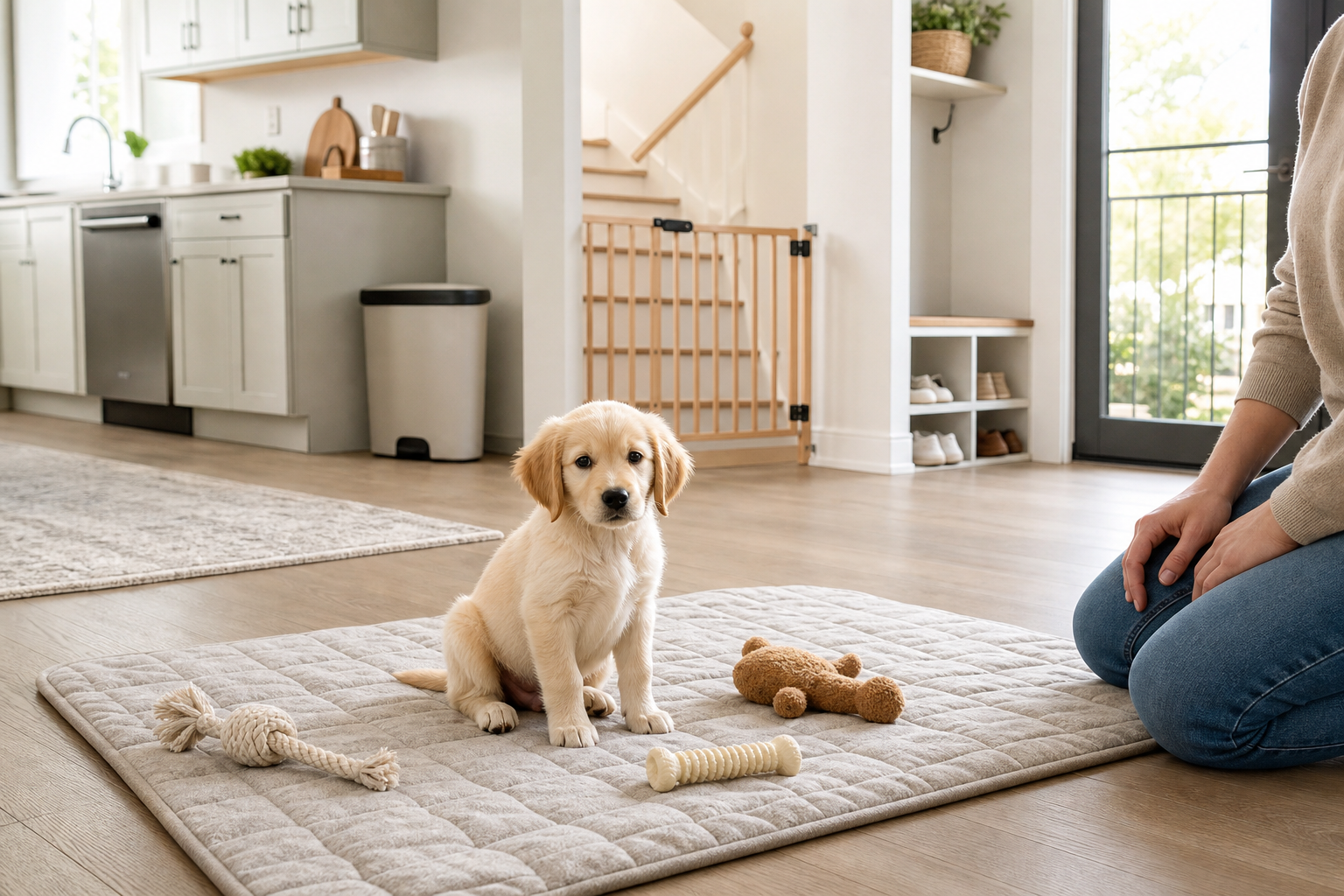
Puppy-Proofing Essentials for Every Room
Puppy-proof every room with practical checks for cords, food, medicines, cleaners, stairs, windows, tools, plants, yards and daily supervision.
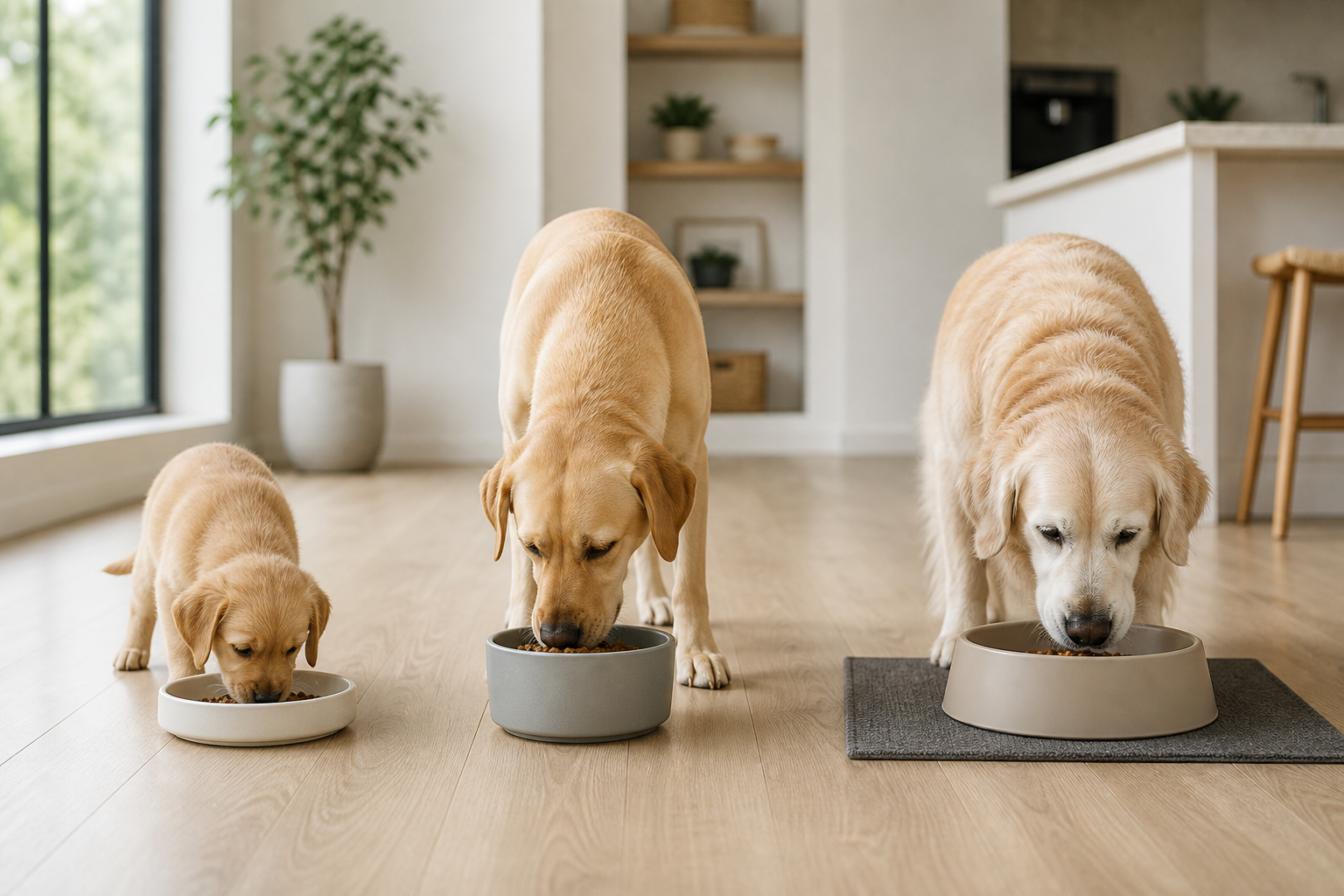
Choosing Dog Bowls for Puppies, Adults and Seniors
Compare bowl size, depth, stability, materials and feeding formats for puppies, adult dogs and seniors, with practical hygiene and mobility guidance.
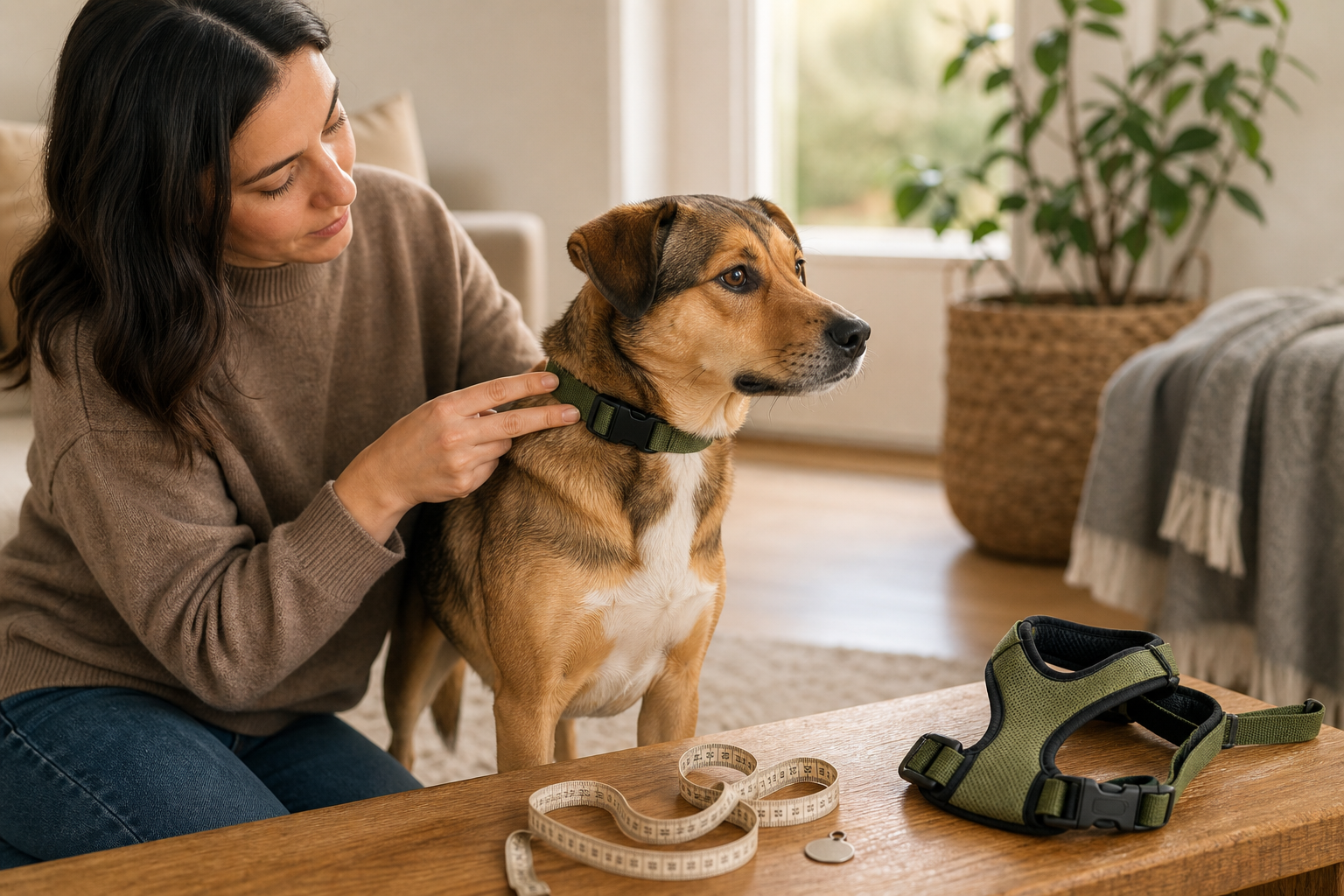
How to Fit a Dog Collar Safely and Comfortably
A step-by-step guide to measuring and fitting a flat dog collar, checking comfort and escape risk, and knowing when a harness is safer.
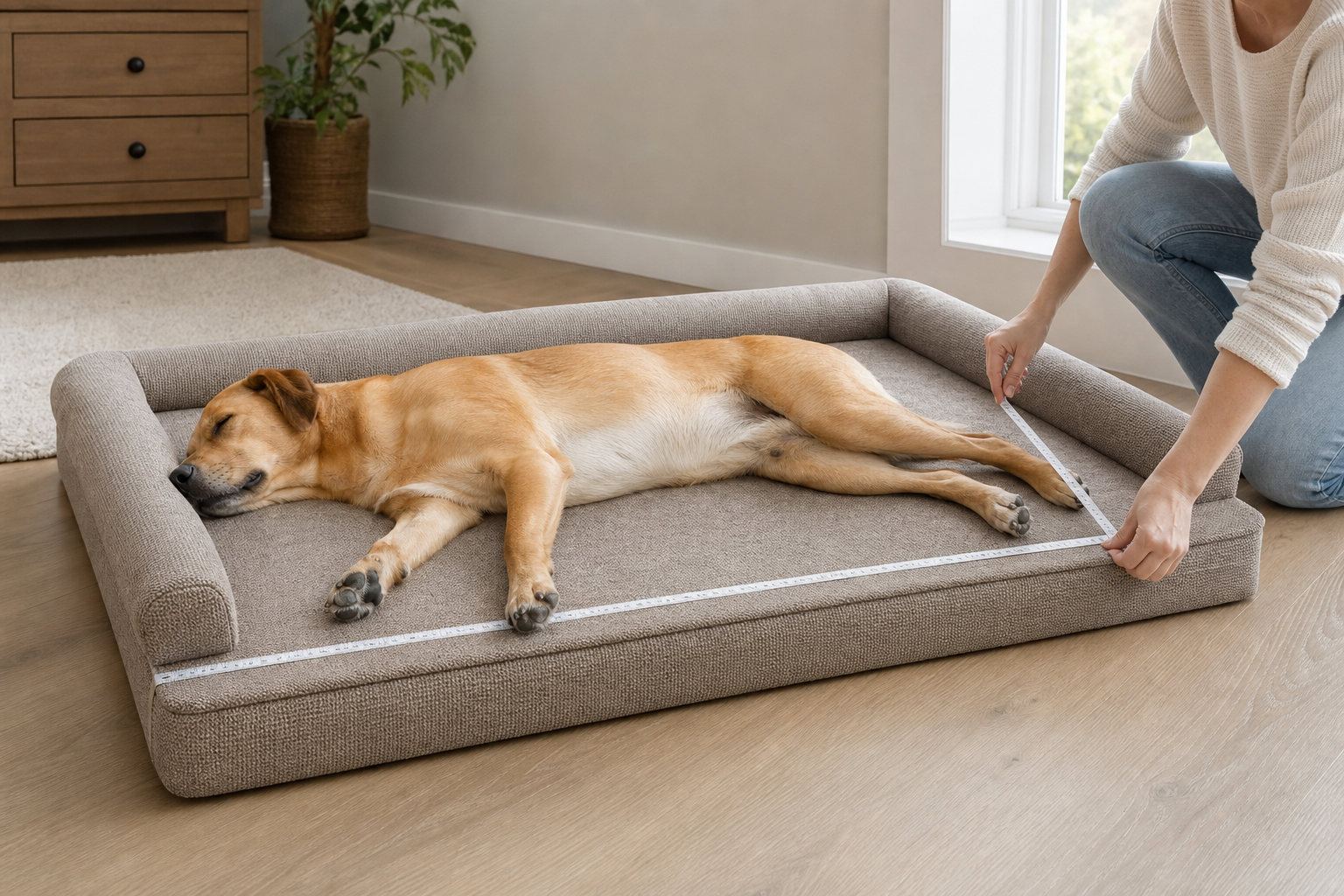
How to Choose a Dog Bed for Size and Sleep Style
A practical guide to measuring your dog, matching common sleep positions to bed shapes, and choosing support, entry height, fabric and washability.
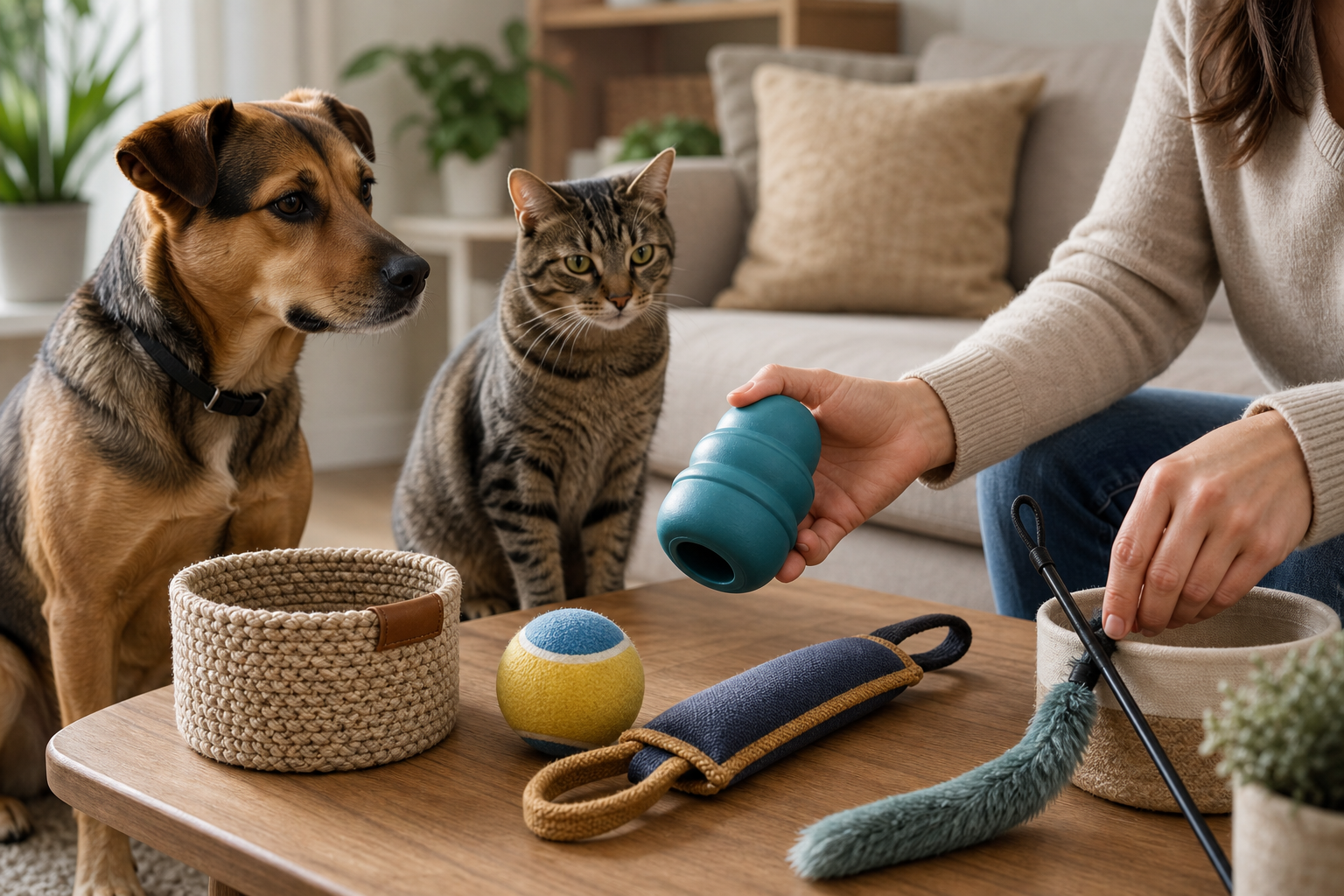
Pet Toy Safety: Materials, Size and Supervision
A practical guide to choosing safer pet toy materials and sizes, supervising first use, inspecting damage and responding to swallowed pieces.
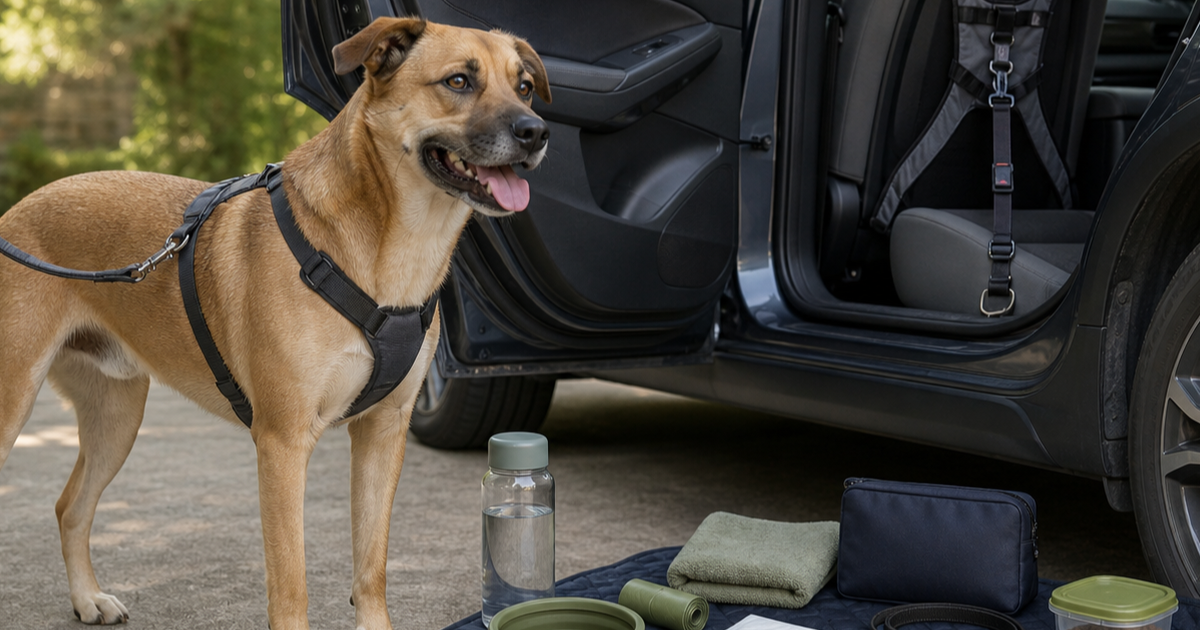
Essential Dog Travel Gear for Cars and Short Trips
Build a practical dog car-travel kit with a fitted restraint, separate leash, water, cleanup supplies, first aid and a pre-trip safety check.