Dog Care
Hot Weather Dog Gear: What Helps and What Does Not
Quick answer
Compare cooling mats, vests, fans, water gear, shade and dog boots by function, fit and limits—without using products to justify unsafe heat exposure.
By ShineePets Editorial Team · Published
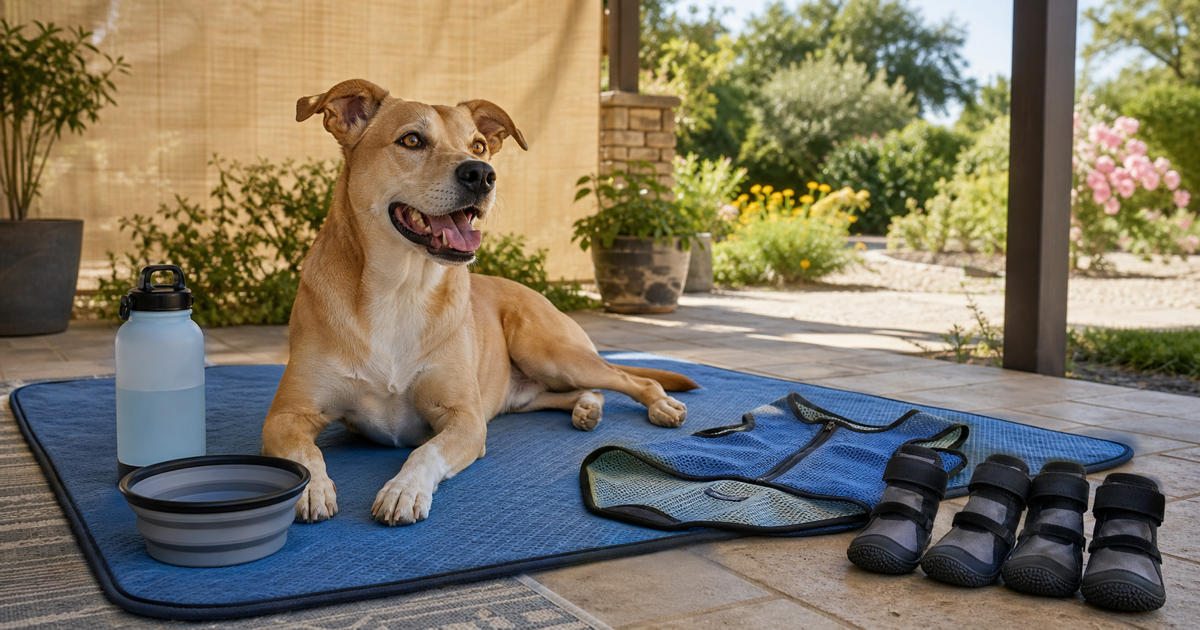
The most useful hot weather dog gear supports a safer plan: reliable shade, drinking water, airflow and a cool place where the dog can stop. A portable bowl, adequate water supply, ventilated shade and a correctly used cooling mat can improve comfort. Evaporative vests, fans and boots may help in specific conditions, but each has limits. None makes a hot walk, strenuous exercise or an unattended vehicle safe.
Judge every product by how it works, how long the effect lasts and whether the dog can move away. A mat that has warmed up, a dry evaporative vest or poorly fitted boots can add heat or discomfort. Prevention remains the first control: change the time, route, duration or location before trying to compensate with equipment.
Hot Weather Dog Gear at a Glance
| Gear | What it can do | What it cannot do |
|---|---|---|
| Portable water and bowl | Keep drinking water available during travel or short outings | Prevent overheating during unsafe activity |
| Ventilated shade | Reduce direct solar exposure when positioned correctly | Cool a closed or poorly ventilated space |
| Cooling mat | Offer a cooler voluntary resting surface for a limited period | Treat heatstroke or stay cool indefinitely |
| Evaporative vest | Support heat loss while wet and exposed to airflow | Work reliably when dry, warm or poorly ventilated |
| Portable fan | Increase air movement and support evaporation | Make a dangerously hot room or vehicle safe by itself |
| Dog boots | Reduce direct paw contact with a hot surface | Lower core body temperature or justify a hot walk |
The RSPCA's hot-weather product guidance makes the central point clearly: cooling mats, jackets and boots should never be used to justify walking a dog in unsafe heat.
Start With Shade, Water and a Change of Plan
Gear selection should follow a risk check, not replace it. Ask:
- Can the outing move to a cooler time or be skipped?
- Is continuous shade available as the sun moves?
- Is there enough clean water for the dog and delays?
- Can the dog rest on a cooler surface without being restrained?
- Is the return vehicle already cooled and ventilated?
- Does this individual dog have a higher heat risk?
If those controls are missing, buy less gear and change the plan. Indoor scent games, food puzzles and short training sessions can replace a hot walk. Our guide to dog enrichment at different energy levels offers lower-exertion options.
Portable Water Gear: Simple and Worth Carrying
A durable bottle or reservoir and a stable bowl are usually the highest-value items. Size the water supply for the dog's normal use, trip length and a delay margin. The container should be easy to clean, close securely, resist leaking in a bag and dispense without requiring the dog to put its head into a narrow opening.
Offer water during breaks in shade. Do not force a heavily panting or distressed dog to drink. A dog that cannot drink normally, vomits, seems weak or shows breathing difficulty needs veterinary advice rather than a different bottle.
Check food-contact material information, valve security, flow, bowl stability, cleaning access and leakage after repeated opening.
Shade Gear: Useful Only With Ventilation
A canopy, umbrella or shade cloth can reduce direct sunlight. It must remain stable and ventilated as the sun shifts. Check the resting surface too: synthetic turf, paving, metal and dark mats can retain heat.
Enclosed pop-up shelters may look protective while restricting airflow. A reflective car-window shade is useful only in an occupied, actively cooled vehicle; it does not make a parked car safe. The RSPCA's summer dog safety guide warns against leaving dogs in cars, caravans, conservatories or outbuildings in warm weather, even briefly.
Cooling Mats: A Resting Option, Not a Heatstroke Treatment
Cooling mats use different mechanisms. Pressure-activated gel mats absorb heat for a limited period. Water-filled or refrigerated inserts depend on preparation. Evaporative mats must remain appropriately damp and have airflow.
Choose a mat large enough for the dog's torso and limbs, with a surface that is not slippery. Check seams, valves, covers and chew resistance. No mat should be described as harmless if punctured without evidence about its actual contents; supervise dogs that chew or dig.
Monitor the surface during use. Once a mat warms, its benefit declines and it may become an insulating layer. Let the dog choose another surface. Follow the product's recharge, cleaning and storage directions, and inspect for leaks, swelling, odor or delamination before reuse.
A mat can support comfort in a cooled car or shaded home, but it is not an emergency cooling method and never makes it acceptable to leave a dog unattended in a vehicle.
Cooling Vests and Bandanas: Conditional Help
Evaporative gear works by holding water while airflow supports evaporation. Performance therefore changes with humidity, air movement, coat, fit and how wet the product remains. A vest that dries out or warms against the body can become extra insulation.
Before use:
1. Confirm the activation and rewetting instructions.
2. Fit it without restricting the shoulders, chest, neck or normal panting.
3. Weigh or feel the wet garment to ensure it is not excessively heavy.
4. Check the dog's skin and movement after a short supervised trial.
5. Remove it when it is warm, dry, displaced or causing discomfort.
Bandanas cover less surface and should be treated as a comfort accessory, not a heat-control plan. Neither item should carry an unsupported promise to “prevent heatstroke.”
Fans: Helpful With Water, Limited on Their Own
Fans can improve air movement and help evaporative cooling when a dog's coat is wet. A fan alone does not remove heat from a closed environment. It also depends on power, placement and unobstructed airflow.
For home or travel use, choose a stable unit with guarded blades, secured cords and enough battery reserve for the planned period. Position it so the dog can move out of the airflow. Do not aim a fan through thick covers, luggage or crate panels and assume the dog is receiving ventilation.
The peer-reviewed VetCompass study of canine heat-related illness identifies water application with air movement as a recommended cooling method for dogs with heat-related illness. That emergency method is different from placing a dry fan near a resting dog.
Boots Protect Paws, Not the Whole Dog
Hot surfaces can injure paw pads. Well-fitted boots may reduce direct contact for a necessary brief crossing, but the dog's body can still overheat. Boots also enclose the paws and can rub, twist or retain moisture.
Check ground conditions first and choose a cooler route or time. If boots are used, confirm sole protection, fastening security, toe clearance and natural gait. Introduce them indoors, inspect paws during and after use, and stop if the dog limps, scuffs, freezes or repeatedly tries to remove them.
Paw wax may reduce friction or support the pad surface, but it should not be presented as reliable thermal insulation unless the finished product has relevant evidence. Neither wax nor boots turns hot pavement into an appropriate exercise surface.
Harnesses and Muzzles Must Preserve Breathing
Dogs depend heavily on panting to lose heat. Harnesses must not restrict the chest or shoulders. A muzzle used in warm conditions must allow full panting and drinking; tight fabric or grooming muzzles are unsuitable for ordinary walks or extended wear.
Match the Kit to the Individual Dog
Any dog can develop heat-related illness. PDSA lists flat-faced, overweight, giant-breed, thick-coated, very young and older dogs among higher-risk groups in its heatstroke guidance. Dogs with heart, respiratory or mobility problems also need individualized advice.
For a higher-risk dog, reduce exposure rather than adding more wearable gear. Keep water and a resting surface easy to access, plan the coolest route, avoid exertion and ask the veterinarian about safe activity during warm weather.
A Practical Product Evaluation Checklist
Before buying or approving hot-weather dog gear, record:
- Purpose: shade, hydration, surface cooling, evaporation or paw protection.
- Operating condition: water, refrigeration, airflow, battery or recharge time.
- Fit: dog dimensions, movement, panting and ability to lie naturally.
- Duration: when the effect starts, declines and must be renewed.
- Failure mode: warming, drying, leaking, puncturing, slipping or losing power.
- Materials: supplier identification, contact surfaces and care limits.
- Maintenance: washing, complete drying, inspection and replacement.
- Choice: whether the dog can move away from the product.
- Claims: evidence supporting the finished product under realistic conditions.
For car journeys, combine this checklist with our essential dog travel gear guide. A restraint, carrier or cooling mat must be placed without blocking airflow or safe access.
What Does Not Work as a Safety Plan
- Buying a cooling vest so the normal midday walk can continue.
- Leaving a dog in a parked car with a fan, mat or window shade.
- Covering an overheated dog with a wet towel, which can trap heat.
- Using a mat after it has warmed without checking or recharging it.
- Assuming boots prevent whole-body overheating.
- Relying on product color, “ice” graphics or vague cooling claims.
- Waiting for collapse before stopping exercise.
Recognize Heat-Related Illness and Act
Heavy or unusual panting, breathing difficulty, excessive drooling, weakness, reluctance to continue, vomiting, confusion, poor coordination, collapse or seizures can indicate a heat emergency. Stop activity, move the dog out of the heat and contact a veterinarian immediately.
Current evidence supports “cool first, transport second.” The RSPCA's dog first-aid guidance advises stopping further heating, applying available water cooler than the dog and creating airflow while arranging veterinary care. Cool the vehicle before loading and continue airflow during transport.
Do not let a product delay emergency cooling or veterinary care. The best hot-weather kit is the one used within a safer routine—and left at home when conditions make the outing unsafe.
*This article provides general safety information and does not replace veterinary diagnosis or emergency instructions. Contact a veterinarian immediately if you suspect heat-related illness.*
Sources and Further Reading
For retailers, distributors and pet brands
Building a dog-product assortment?
Explore dog toys, grooming, feeding, beds and travel products, with B2B sourcing and customization support.
Explore Wholesale Dog Products Discuss OEM/ODMFrequently Asked Questions
Do cooling mats prevent heatstroke in dogs?
No. A suitable mat may provide temporary comfort, but it does not replace shade, water, rest or avoiding unsafe heat, and it is not an emergency treatment.
Can a dog wear a cooling vest all day?
Only according to the product directions and under supervision. Evaporative vests must be monitored, rewetted as required and removed if they warm, dry, shift or restrict movement.
Do dog boots make hot pavement safe?
Boots may reduce direct paw contact during a necessary brief crossing, but they do not prevent whole-body overheating. A cooler time and route remain safer.
Is a portable fan enough for a dog in a car?
No. A fan cannot make an unattended parked vehicle safe. Dogs should never be left in a warm vehicle, even with a fan, mat or cracked window.
What should I carry for a dog in warm weather?
Carry adequate clean water, a stable bowl, access to ventilated shade, identification and a way to contact a veterinarian. Optional cooling gear still requires monitoring.
Sources and References
About this article
ShineePets publishes practical, source-checked guidance for pet owners and pet-product professionals.
ShineePets is a commercial B2B pet-supply sourcing brand. Read our editorial standards and commercial disclosure.
Continue Reading
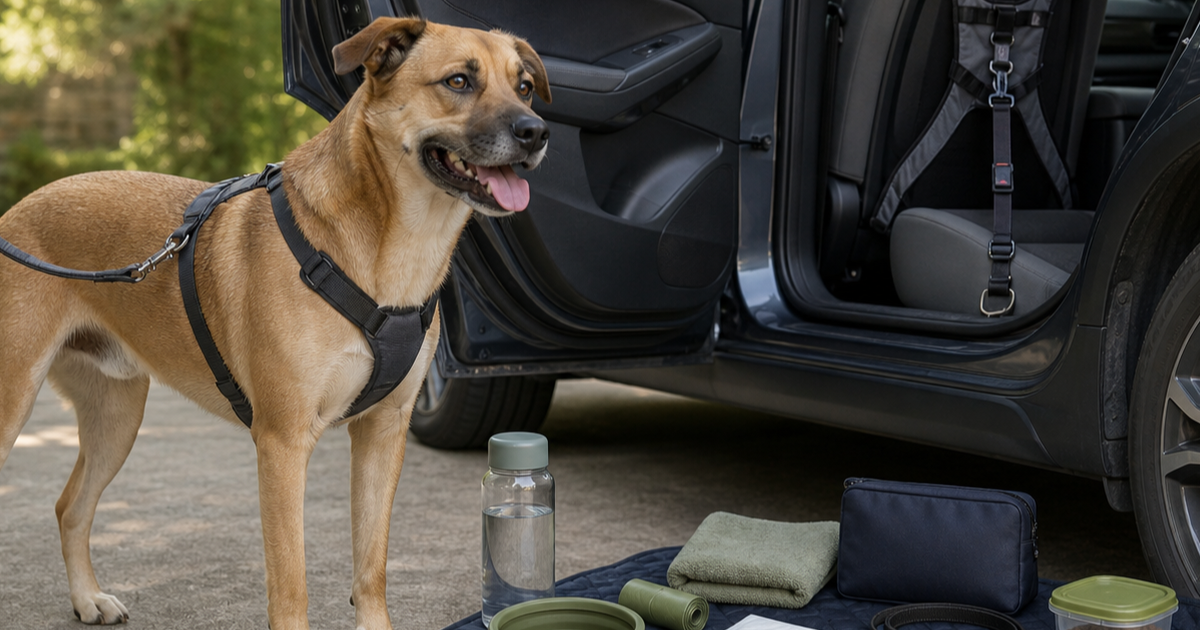
Essential Dog Travel Gear for Cars and Short Trips
Build a practical dog car-travel kit with a fitted restraint, separate leash, water, cleanup supplies, first aid and a pre-trip safety check.
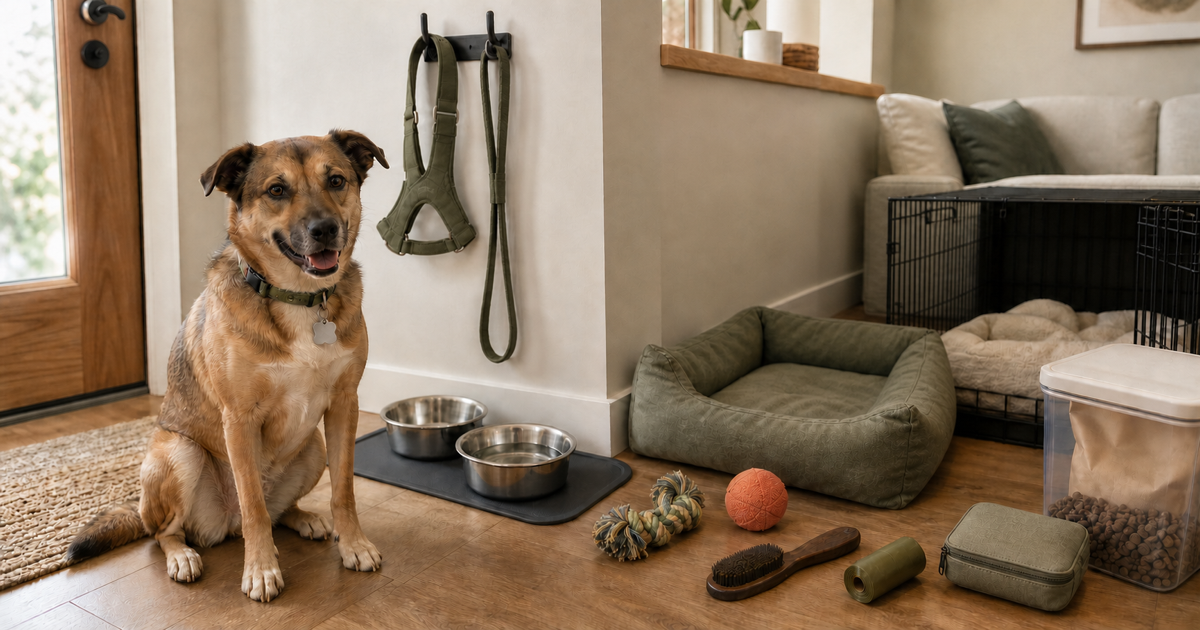
Essential Dog Supplies: A Complete Buying Checklist
Prioritize feeding, identification, walking, rest, enrichment, grooming, cleanup and emergency supplies for one specific dog.
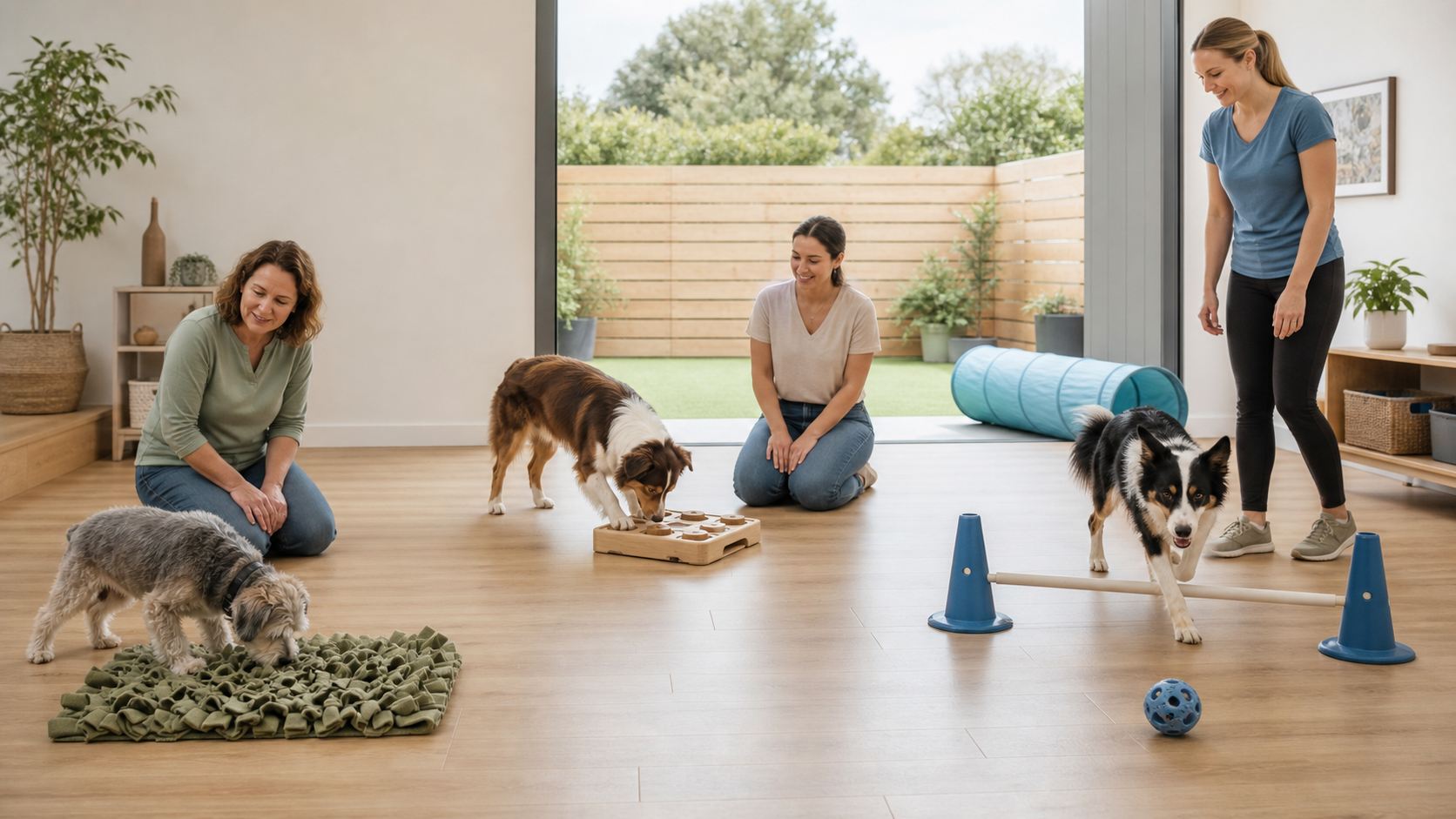
Dog Enrichment Ideas for Different Energy Levels
Match dog enrichment to low, moderate, or high energy with safe scent games, puzzles, training, movement, food activities, and recovery time.