Small Pet Care
Keeping Rabbits Comfortable During Hot Weather
Quick answer
Keep rabbits safer in hot weather with measured shade, ventilation, water, cool surfaces, flystrike checks and an emergency response plan.
By ShineePets Editorial Team · Published
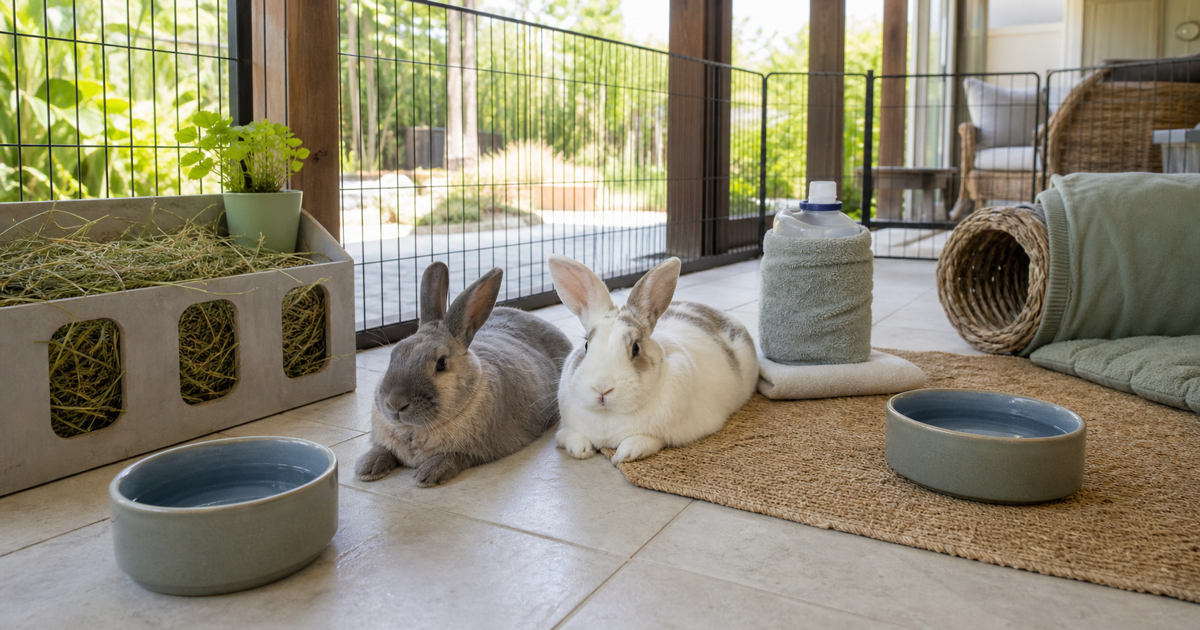
Keeping rabbits comfortable in hot weather requires more than adding shade once. Measure the temperature where they actually rest, preserve ventilation as the sun moves, provide several water and cool-surface choices, and prepare a cooler backup location before the enclosure becomes unsafe. Bonded rabbits should normally remain together, with enough cooling resources that neither rabbit can block the other.
Rabbits have limited ways to lose heat and can deteriorate quickly. Check them and their housing repeatedly on warm days. Rapid or open-mouth breathing, hot red ears with other abnormal signs, drooling, weakness, confusion, wobbliness, collapse or seizures are veterinary emergencies. Start cooling while contacting a rabbit-experienced veterinarian; do not wait for a product or room change to solve suspected heatstroke.
Keeping Rabbits Comfortable Starts With a Heat Plan
Wild rabbits can retreat into burrows during the hottest part of the day. Domestic rabbits may instead live in a shed, room, pen or hutch that absorbs heat. PDSA explains that rabbits have dense fur, do not pant or sweat normally, and lose heat mainly through their skin and ears in its rabbit heatstroke guidance.
Some rabbits need an earlier and more conservative plan. Higher-risk individuals include rabbits that are very young, older, overweight, pregnant, unwell, flat-faced, long-haired or easily stressed. Mobility, dental or digestive problems can also make it harder to reach water, keep clean or behave normally.
Do not use one weather-app number as the whole assessment. Sun exposure, humidity, airflow, flooring, roof material, body condition and acclimatization all affect risk.
Measure the Rabbit's Space, Not Just the Outdoor Air
Place a reliable thermometer at rabbit level in the shaded resting area, away from direct sun and frozen bottles. If the enclosure has several zones, compare them during the hottest hours. A wooden shelter, upper floor, conservatory or sun-facing wall may be much warmer than the surrounding air.
The Rabbit Welfare Association & Fund's 2026 hot-weather guidance recommends beginning precautions in the low-to-mid 20s Celsius and having a backup location ready before conditions exceed the rabbit's tolerance. Treat those ranges as planning triggers, not a promise that every rabbit is safe below one number.
Record:
- morning, peak and evening temperatures at rabbit level;
- when shade reaches and leaves each zone;
- whether doors, covers or solid panels restrict airflow;
- which surfaces the rabbits choose; and
- changes in eating, drinking, droppings, activity or posture.
Build a Choice-Based Cool Zone
A useful setup lets rabbits move between normal and cooler areas. It should not force them against ice or confine them on a wet surface.
| Cooling option | How it can help | Main check |
|---|---|---|
| Ceramic, slate or stone tile in shade | Provides a cooler solid surface for stretched resting | Non-slip, stable and large enough for the rabbit |
| Frozen water bottle wrapped in cloth | Creates a cooler nearby micro-area | No leaks, chewing access or direct frozen contact |
| Rabbit-safe cooling mat or pod | Offers another voluntary resting surface | Contents, seams, chew risk and warming over time |
| Fan across the room or enclosure | Improves air movement | Guarded, stable, chew-proof cords and an escape from airflow |
| Damp shade cloth over part of a run | Adds shade and may support evaporation | Never cover the whole enclosure or block ventilation |
The Blue Cross summer rabbit guide recommends shaded ceramic or slate tiles and wrapped frozen bottles. Rotate or recharge products before they become warm, and always leave dry resting choices.
Do not submerge a rabbit in cold water or encourage swimming. Avoid covering the rabbit or the entire enclosure with a wet towel, which can trap heat and restrict airflow. A cooling product supports prevention; it does not treat severe heatstroke by itself.
Keep Shade Moving and Air Flowing
Outdoor shade must last all day. Track the sun before deciding where a run or shelter is safe. A parasol or shade sail can protect the exercise area, but it should be secured and positioned without reducing ventilation. Plastic covers, closed hutches and dark roofing can trap heat.
Indoor rabbits can also overheat. Close sun-facing curtains before the room warms, move pens away from windows and avoid conservatories or unventilated rooms. Fans should not blow continuously at the rabbits, and cables must be completely inaccessible to chewing.
Relocating rabbits may be necessary, but a sudden move can add stress. Prepare a familiar, rabbit-proofed backup pen in a cooler room, garage or other suitable space before the heat arrives. Move bonded companions together with familiar clean bedding, hay, hides and litter arrangements. Never use a garage that contains vehicle fumes, chemicals or unsafe temperatures.
Our rabbit housing guide explains how to preserve usable space, solid flooring, hiding choices and separated resource zones while adapting the enclosure.
Protect Water Access and Normal Eating
Fresh water must be available continuously. Offer heavy bowls in shade, even if the rabbits also use bottles. Check bottle spouts for actual flow rather than assuming a full bottle works. For a bonded pair, provide more than one water point so access cannot be blocked.
Refresh warm or contaminated water and wash containers regularly. Do not make abrupt diet changes or rely on unfamiliar watery foods during a heatwave. Rabbits still need their normal hay-based diet and regular eating. If a rabbit eats less, refuses favorite foods, produces fewer droppings or stops drinking, contact a rabbit-experienced veterinarian promptly.
The RSPCA recommends extra water, shade and repeated hot-weather checks for rabbits and rodents in its summer care guidance.
Groom the Coat and Check for Flystrike
Remove loose coat with gentle, regular grooming appropriate to the rabbit. Long-haired rabbits may need professional trimming advice, but do not improvise a close shave that risks skin injury. Matting and soiled fur reduce comfort and can hide skin problems.
Hot weather also increases flystrike risk. Flies can lay eggs on damp, dirty or soiled fur; the resulting maggots cause a life-threatening emergency. The Blue Cross flystrike guide recommends checking rabbits at least twice daily, including indoor rabbits.
During each check:
- inspect the rear, tail area and skin folds without causing panic;
- remove wet bedding and keep litter areas clean and dry;
- investigate urine staining, soft stool or difficulty grooming;
- confirm normal appetite and droppings; and
- call a veterinarian immediately for eggs, maggots, wounds, unusual odor or sudden lethargy.
Do not apply insecticides, flystrike products or other animal medicines unless they are specifically suitable for rabbits and used as directed by a veterinarian.
Keep Bonded Rabbits Comfortable Together
A bonded companion should not have to compete for the only cool tile, bottle or shaded hide. Duplicate the high-value resources and spread them across the space. Hides should have more than one exit so one rabbit cannot trap another.
Watch both rabbits individually. One may stretch out and drink more while the other becomes unusually quiet. Record eating and droppings closely enough to detect which rabbit has changed. If veterinary transport is required, ask the clinic whether the bonded companion should travel too; many rabbit-experienced teams aim to preserve the bond when practical.
Plan for Travel, Power Loss and Heatwaves
Prepare before a forecast heatwave:
- identify the coolest safe backup room;
- freeze and rotate several covered water bottles;
- keep clean ceramic bowls and tiles available;
- charge safe fans or backup power if appropriate;
- save the rabbit-experienced veterinarian's number and route; and
- ensure a ventilated carrier is ready.
Avoid non-essential journeys during hot periods. For necessary travel, cool the vehicle first, keep the carrier out of direct sun, maintain ventilation and never leave rabbits unattended in a parked vehicle. Cooling equipment must not block carrier airflow or leak onto bedding.
Use a Green-Amber-Red Response Plan
Green: normal behavior in a controlled space
The rabbits are eating hay, drinking, producing normal droppings, moving normally and choosing among shaded resting areas. Continue monitoring the enclosure and rotate cooling options.
Amber: conditions or behavior are changing
The enclosure is warming rapidly, shade is shrinking, water is warm, or a rabbit is quieter and eating less. Move both rabbits to the prepared cooler area, refresh water, add safe cooling choices and call the veterinarian for any health change.
Red: possible heatstroke
Warning signs include rapid or open-mouth breathing, drooling, weakness, confusion, tremors, wobbliness, collapse, seizures or unconsciousness. Hot red ears alone are not enough to diagnose heatstroke, but they add concern when combined with abnormal breathing or behavior.
Move the rabbit into shade or a cool room. Begin cooling with water cooler than the rabbit, applied carefully to the ears and body while keeping it away from the nose and mouth; provide airflow and offer water without forcing it. Contact the veterinarian immediately and arrange transport in a cooled, ventilated vehicle. Follow the veterinarian's instructions, because the appropriate cooling method can depend on the rabbit's condition.
Do not delay veterinary care, submerge the rabbit, place unwrapped ice against the skin or wrap the whole rabbit in a wet towel. Even if the rabbit appears to improve, internal complications may require treatment.
Hot-Weather Rabbit Checklist
- Temperature is measured at rabbit level in the resting zone.
- Shade remains available as the sun moves.
- Ventilation is not blocked by covers or shelter design.
- Each rabbit has access to water and a cool resting option.
- Hay intake, droppings and behavior remain normal.
- Rear-end and flystrike checks happen at least twice daily.
- Frozen bottles, tiles and mats are inspected and rotated.
- A cooler backup location and veterinary contact are ready.
Keeping rabbits comfortable during hot weather is an environment-management task. The safest setup gives every rabbit space, choice, water, shade and a rapid route to a cooler location—before illness develops.
*This article provides general care information and does not replace veterinary diagnosis or treatment. Heatstroke and flystrike require immediate veterinary attention.*
Sources and Further Reading
For retailers, distributors and pet brands
Planning a small-pet product range?
Explore product categories for rabbits, hamsters, guinea pigs and other small pets, then discuss your sourcing brief.
Explore Small Pet Products Discuss OEM/ODMFrequently Asked Questions
Can rabbits use cooling mats in hot weather?
A rabbit-safe mat can offer a voluntary cooler surface, but it needs supervision for chewing, leaks and warming. It does not replace shade, water or ventilation.
Should I put ice in a rabbit's water bowl?
Current welfare guidance differs. The safest default is fresh, cool water in shaded bowls, refreshed regularly, while keeping the rabbit's normal drinking setup available.
Can I bathe a rabbit to cool it down?
No. Do not submerge or bathe a rabbit for routine cooling. For suspected heatstroke, begin careful cooling and contact a rabbit-experienced veterinarian immediately.
Should bonded rabbits be separated during hot weather?
Usually no. Keep bonded companions together while providing duplicate water, shade and cool surfaces. Ask your veterinarian about transport during an emergency.
How often should I check rabbits during a heatwave?
Check the rabbits and enclosure repeatedly through the day, and inspect each rabbit for flystrike at least twice daily. Higher-risk rabbits need closer monitoring.
Sources and References
About this article
ShineePets publishes practical, source-checked guidance for pet owners and pet-product professionals.
ShineePets is a commercial B2B pet-supply sourcing brand. Read our editorial standards and commercial disclosure.
Continue Reading
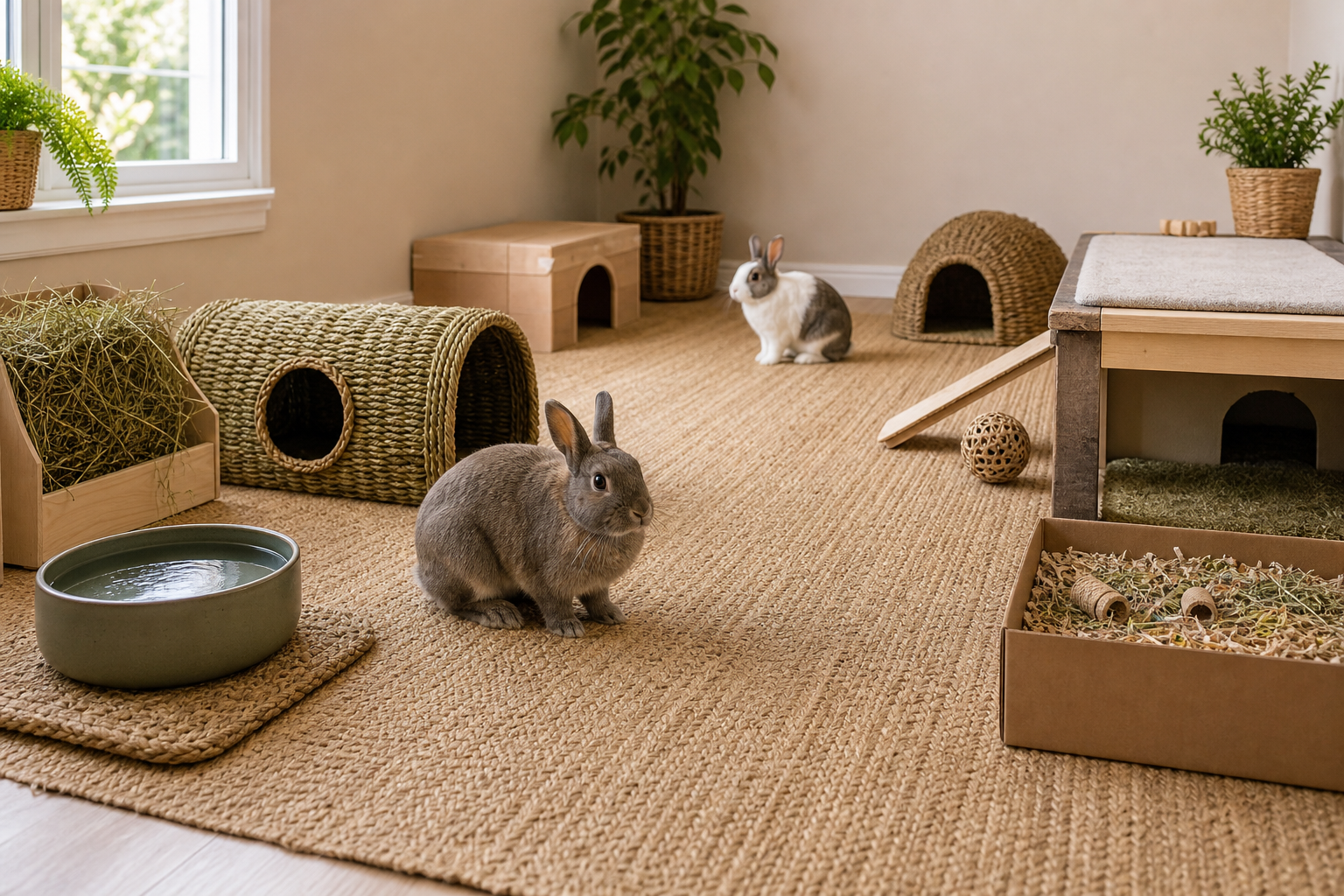
Rabbit Housing Basics: Space, Flooring and Enrichment
A practical welfare-first guide to planning rabbit space, safe flooring, hiding areas, feeding zones and everyday enrichment at home.
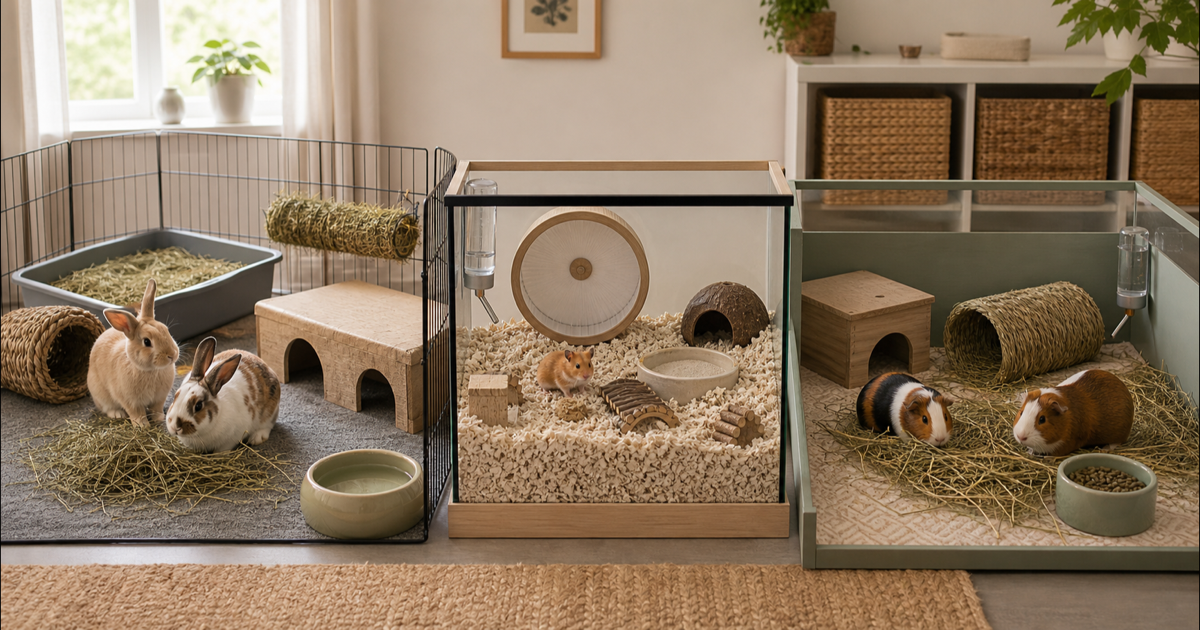
Essential Supplies for Rabbits, Hamsters and Guinea Pigs
Compare species-specific housing, food, bedding, hides, enrichment, transport and cleaning supplies for rabbits, hamsters and guinea pigs.
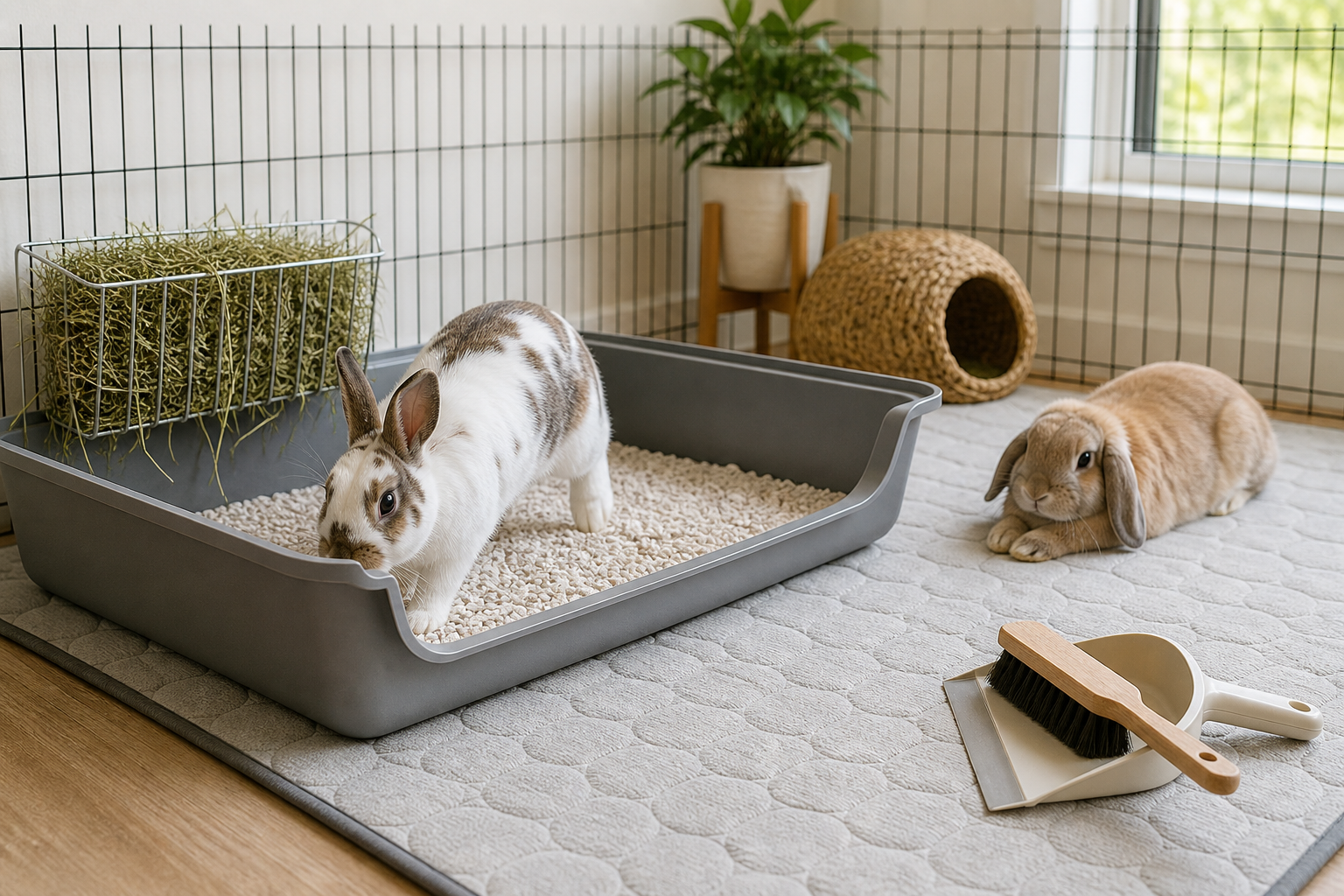
Rabbit Litter Training: Setup, Tools and Daily Care
Set up and maintain a rabbit litter station with the right tray, safe litter, hay placement, training steps, daily cleaning and health checks.