Dog Care
New Dog Supply Checklist for the First 30 Days
Quick answer
A practical new-dog supply checklist for the first 30 days: prepare core items, test the toilet and walking routines, and adjust gear by observation.
By ShineePets Editorial Team · Published · Updated
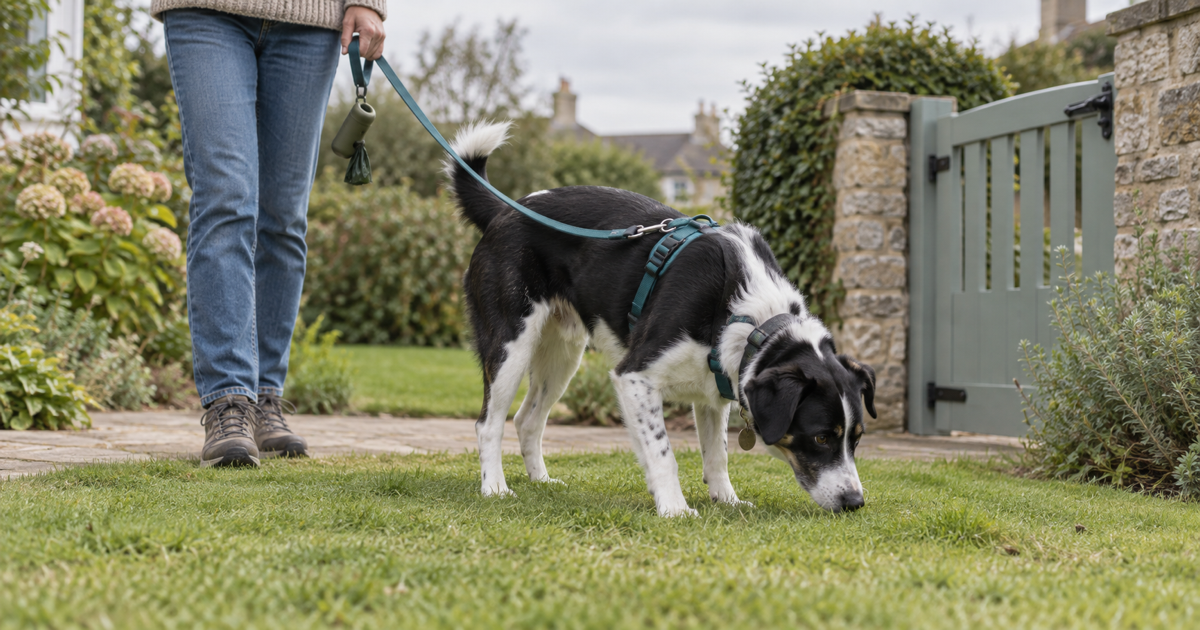
A new dog supply checklist is most useful when it tells you what to do with each item after the dog arrives. Before pickup, prepare the familiar food, washable bowls, a quiet resting spot, secure identification and walking gear, waste bags, and safe transport. During the first 30 days, check whether the dog can eat, rest, toilet, walk, and settle comfortably; change a product only when an observation gives you a reason. A puppy and an adopted adult may need different pacing.
This is a use-and-adjust plan, not a second shopping catalogue. If you need specifications for bowls, beds, harnesses and other categories, use our complete dog-supplies buying checklist. The day numbers below are review points, never a deadline for a dog to feel at home.
New Dog Supply Checklist: Prepare a Working Kit
Ask the rescue, breeder or previous caregiver what food the dog currently eats, when they eat and toilet, whether they have used a harness or crate, and whether there are medical or behavioural instructions. Obtain available records and a contact for the handover day. Dogs Trust advises learning an adult rescue dog's existing preferences and care needs before bringing them home. Dogs Trust rescue-dog guidance
Set up these functional stations, then test the route between them:
- Arrival and outside: an appropriate secure travel setup, an identification method with current details, a well-fitting collar or harness, a short lead, waste bags, and a planned quiet toilet location. Check gates and doors before the dog crosses them.
- Food and water: their current suitable food, simple stable bowls, a place to measure meals, and drinking water available throughout the day. Ask a veterinarian before changing a prescribed diet. RSPCA dog-feeding guidance
- Rest and separation: a washable bed or blanket in a quiet area and, if useful, a gate or pen to manage access. A crate is an optional setup to introduce positively, not a requirement for every dog.
- Toileting and cleanup: waste bags by the exit, a cleaning kit for accidents, and a laundry plan for bedding. Make it possible to reach the door promptly without searching for equipment.
- Activity: a small number of size-appropriate, intact toys or chews you can observe in use. Keep unfamiliar items under supervision until you know how this dog handles them.
Keep packaging or product instructions for cleaning and safe use. Inspect buckles, stitching, fasteners and toy parts before first use; an item that is damaged, slips off, or cannot be cleaned as directed is not yet a solution. Avoid bulk purchases of a new food or chew until you know whether it suits this individual dog.
Arrival Day: Make Each Supply Easy to Find
Walk the dog to the chosen toilet place first, then calmly show the water, food area and resting place. For an adult rescue, allow time to explore at their own pace and avoid a stream of visitors. For a puppy, begin with a manageable area and a predictable route outside. Dogs Trust recommends a quiet settling period for rescue dogs and a gentle first-day setup for puppies. Adult rescue settling advice Puppy's first day
Check that the lead clip closes properly and that walking equipment stays secure without rubbing during a brief, calm outing. If the dog is not yet comfortable wearing a harness, pause and work on gentle familiarisation instead of forcing a long walk. Keep the original food and mealtime pattern initially, unless a veterinarian directs otherwise. Place the bed where the dog can withdraw without being followed or disturbed.
Make a short note on arrival: food eaten, water offered, toileting observed, resting location, and how the dog responded to each item. This is a memory aid for care decisions and a veterinary conversation, not a diagnosis or a score for the dog's progress.
First Week: Test the Exit-to-Toilet Routine
Put the lead and bags in one reachable place. Offer regular opportunities at the same quiet toilet area, especially after waking, eating and play for a puppy. Praise and reward toileting in the intended place; do not punish accidents. RSPCA advises that puppies need frequent opportunities and that adult dogs may also need a fresh routine in a new home. RSPCA toilet-training guidance
Use the first week to fix friction in the *system*, not to buy more of everything:
1. If you cannot reach the exit quickly, move bags, lead and shoes closer to the door.
2. If the collar or harness twists, rubs or can slip, stop using it outside until you reassess fit and adjust or replace it. Recheck a growing puppy's fit regularly.
3. If the resting spot stays unused, check noise, foot traffic and whether the dog can leave freely; try a quieter position before buying another bed.
4. If the dog refuses an unfamiliar chew or breaks off pieces, remove it. Select a different supervised activity rather than leaving the damaged item available.
Keep walks short and familiar while a newly adopted adult is settling, adjusting to the individual dog's confidence and veterinary advice. Dogs Trust specifically recommends simple, repeated routes early in a rescue dog's adjustment. Dogs Trust rescue-dog guidance
Week Two: Add Independence Without Rushing It
The resting area and any gate should give the dog a predictable place to pause, not enforce sudden long isolation. If you need the dog to spend time apart, begin while you are still at home: let them settle with an appropriate activity, step away briefly, and return before distress escalates. Increase time only when the dog remains comfortable. Dogs Trust advises gradual practice and shortening the interval when stress signs appear. Dogs Trust time-alone guidance
Do not assume a crate, puzzle toy or camera can substitute for a person available to care for a distressed dog. If the dog repeatedly paces, vocalises or cannot settle when separated, pause the exercise and ask your veterinarian or a qualified behaviour professional for tailored help. For a puppy, account for their age, toileting needs and social support; for an adult rescue, do not infer that prior house-training guarantees comfort in a new environment.
Now review the care kit's daily wear. Wash wet-food bowls after use and dry-food and water bowls daily; wash bedding regularly and follow the item label. The CDC provides these example schedules and notes that ordinary cleaning is enough for most pet items, with disinfection needed in some situations. CDC pet-supply cleaning guidance Replace frayed or broken items instead of trying to make them last through the month.
Weeks Three and Four: Buy Only for a Documented Gap
Ask: *What is not working, what have we tried, and how will a change help?* A second washable bed may help if the dog seeks another quiet resting place; a replacement lead may be necessary if the clip is unreliable; a different bowl may help if it slides at every meal. These are observations to test, not universal prescriptions.
Prioritise product decisions in this order: safety fault, unmet daily need, maintainability, then convenience. Check material condition, usable size, attachment security, cleaning instructions, and availability of replacement parts before buying a durable item. For online purchases, inspect the item on delivery for damaged seams, sharp edges, loose parts and a mismatch with the listed dimensions. Keep records of what you changed so you can tell whether the adjustment actually helped.
If the dog is a puppy, revisit fit as they grow instead of assuming day-one measurements remain correct. If the dog is a senior or has a known mobility issue, ask the veterinarian about accessible resting and walking arrangements before choosing supportive gear. If the dog is an adult rescue, preserve useful familiar routines where possible rather than treating the end of 30 days as a reason to replace them all.
Know When the Problem Is Not a Product Problem
Keep veterinary records, local practice and emergency contact details accessible. Arrange a veterinary discussion about the individual's health history, preventive care, diet and any concerning behaviour. A sudden change in eating or drinking warrants veterinary advice rather than repeated food or bowl swaps. RSPCA feeding guidance
Seek urgent veterinary help if the dog collapses and does not respond, struggles to breathe, has very pale or blue gums, is in severe pain, or develops a swollen abdomen. These are not issues to troubleshoot with different supplies. PDSA emergency first-aid guidance
This household checklist does not replace a veterinarian's diagnosis or treatment. At day 30, keep the supplies that work, repair or replace what fails, and let the dog's observed needs—not the calendar—determine the next purchase.
Sources and Further Reading
- Helping a Rescue Dog Settle Into Your Home — Dogs Trust
- Your Puppy’s First Day — Dogs Trust
- Toilet Training Your Dog — RSPCA
- Helping Your Dog Get Used to Time Alone — Dogs Trust
- How to Feed Your Dog a Healthy Diet — RSPCA
- Cleaning and Disinfecting Pet Supplies — CDC
- First Aid for Collapsed Pets — PDSA
Frequently Asked Questions
Do I need every dog supply before pickup?
Prepare food, water, safe transport, identification and walking gear, a resting place, and a toileting/cleanup route. Defer optional accessories until you see how the dog uses the home.
Should I buy a crate for a newly adopted dog?
Not automatically. A quiet bed and manageable safe space may be sufficient. If you choose a crate, introduce it gradually and positively; do not use it as an instant solution for distress when left alone.
What if my new dog has indoor accidents despite being house-trained?
Return to a predictable outdoor routine, make the exit kit easy to reach, reward toileting outside, and avoid punishment. Ask a veterinarian about persistent or sudden changes, particularly alongside other health signs.
When should I replace a puppy harness?
Recheck fit and condition frequently as the puppy grows. Replace or adjust a harness that slips, rubs, restricts movement, or can no longer be secured according to its instructions.
How do I know which optional item to buy after two weeks?
Name one observed problem first, test a simple placement or routine change, then choose the smallest durable product that solves the remaining gap. There is no fixed two-week shopping deadline.
Sources and References
About this article
ShineePets publishes practical, source-checked guidance for pet owners and pet-product professionals.
ShineePets is a commercial B2B pet-supply sourcing brand. Read our editorial standards and commercial disclosure.