Cat Care
Winter Cat Comfort: Warm Beds, Water and Safe Spaces
Quick answer
Create a safer winter setup for cats with draught-free beds, accessible fresh water, secure hiding spaces and clear cold-weather hazard checks.
By ShineePets Editorial Team · Published
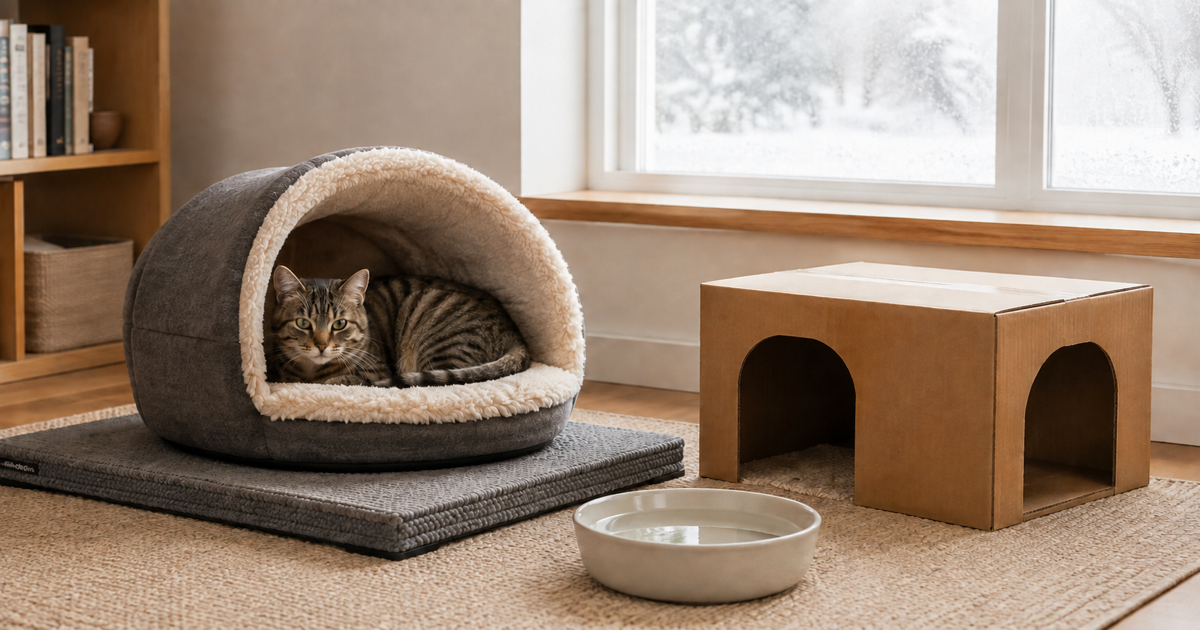
Winter cat comfort depends on three reliable choices: a dry, draught-free bed the cat can leave freely, fresh water that remains easy to reach, and quiet safe spaces away from direct heat and household hazards. Start with passive warmth—good placement, insulated bedding and a comfortable room—before adding a pet-specific heat product. Check every setup from the cat's height and mobility level.
Cold risk is not determined by one universal room or outdoor temperature. Wind, damp fur, duration of exposure, age, health, body condition and access to shelter all matter. Shivering, weakness, poor coordination, pale gums, slow or shallow breathing, collapse or unresponsiveness require urgent veterinary care. A warm bed supports routine comfort; it does not treat hypothermia.
Winter Cat Comfort Starts With Choice
Cats should be able to move between warmer and cooler resting places. Do not place the only bed against a radiator, trap a cat inside an enclosed den or assume that the warmest surface is the safest one. Offer at least one protected bed and one alternative resting area, then observe what the individual cat chooses.
Walk through the home at cat level during the coldest part of the day. Check:
- cold air around doors, windows and cat flaps;
- damp floors or bedding near entrances;
- direct heat from radiators, fires and portable heaters;
- electrical cords or heated products that could be chewed;
- whether another pet can block the route to a bed or water bowl;
- high resting places that are slippery or difficult to reach; and
- rooms that might close and trap the cat without water or a litter tray.
Choose a Warm Bed That Fits the Cat
A useful winter bed lets the cat enter, turn, curl and leave without struggling. Enclosed or high-sided beds can reduce draughts and provide privacy; open padded beds are easier to access and may suit cats that dislike covered spaces. A cardboard box lined with washable fleece can work if it is stable, dry and has a safe opening.
Compare these features:
| Bed feature | What to check | Possible problem |
|---|---|---|
| Size | Usable internal space in the cat's normal resting position | A thick lining can make the actual sleeping area too small |
| Entry | Low enough for the cat's mobility, with no collapsing edge | High sides may exclude kittens, senior cats or cats with joint pain |
| Base | Stable, dry and insulated from a cold floor | A light bed may slide, tip or sit in a draught |
| Lining | Soft, intact and washable according to its care label | Loose threads, exposed filling or retained dampness |
| Cover | Enough concealment without restricting exit or airflow | An unstable hood or blanket can collapse around the cat |
| Placement | Quiet, familiar and away from direct heat | Busy corridors, doors and appliances can disturb rest |
Cats Protection recommends a warm, comfortable and draught-free indoor place in its cold-weather cat guidance. Its cat-bed guide also emphasizes warmth and privacy. Placement should follow the cat's preferences rather than a decorative room plan.
Wash bedding as directed and dry it fully. Inspect seams and bases; retire beds with exposed filling, sharp fasteners, persistent dampness or structural collapse.
Use Heat Pads and Heated Beds Conservatively
Passive warmth is simpler to supervise. If extra heat is needed, use only a product intended for pets and follow its exact activation, cover, placement and replacement instructions. The cat must be able to move off the heated area.
Blue Cross advises using a pet-safe microwavable heat pad under a blanket and avoiding electric blankets because of burn and cord risks in its winter cat guide. Even a pet-specific product needs checks:
1. Inspect the pad, cover and closures before every use.
2. Activate it only for the stated time and method.
3. Cover it as directed so it is not against bare skin.
4. Put it under only part of the resting area.
5. Recheck the surface and the cat during use.
6. Remove it if it leaks, swells, hardens, smells unusual or becomes too warm.
Do not improvise with an electric blanket, human heating pad, uncovered hot-water bottle or direct contact with a radiator. Do not run cables through a place where the cat rests or hides.
Routine warming and hypothermia first aid are different. Cats Protection specifically advises against hot water, heating pads and hair dryers when a cat may be hypothermic; the cat should be dried, wrapped and warmed gradually while urgent veterinary help is arranged.
Keep Water Fresh and Easy to Reach
Water still matters in cold weather. Outdoor bowls can freeze, and a cat staying inside may avoid a bowl placed in a cold entrance, busy route or territory controlled by another animal. Provide fresh water indoors even when the cat normally drinks outside.
Cornell's Feline Health Center explains in its hydration guidance that cats vary in drinking preferences and benefit from fresh water in easily accessible places without conflict from other pets.
For a winter water station:
- place it on a stable surface away from litter and direct heat;
- offer more than one location in multi-level or multi-cat homes;
- wash bowls and refresh water regularly;
- check fountains for clean flow, stable assembly and protected cords;
- keep outdoor bowls free of ice and contamination; and
- do not add supplements, flavorings or medicines unless a veterinarian recommends them for that cat.
Track changes, not just the apparent bowl level. A sudden increase or decrease in drinking, reduced appetite, vomiting, lethargy or a change in urination needs veterinary advice. Do not assume heating, weather or a new bowl explains a persistent health change.
Our guide to helping indoor cats drink more water provides a fuller bowl, fountain and placement routine.
Build Safe Spaces, Not Warm Traps
A safe space should provide concealment, quiet and control. The AAFP and ISFM feline environmental needs guidelines describe a private, secure and often raised location that lets a cat retreat. In a multi-cat home, provide separate safe places and avoid layouts where one cat can block the entrance.
Good winter options include:
- a stable covered bed in a quiet room;
- a cardboard hide with an entrance large enough for easy exit;
- an accessible shelf with a secured padded surface;
- a familiar carrier left open as a resting option; and
- a lower-level hide for a kitten, senior cat or cat with limited mobility.
Place the preferred bed where it is already quiet and safe. Keep essential resources accessible, but do not crowd everything into the hide or let one doorway control access.
For age-related access changes, use our senior cat home setup guide. For shared homes, the multi-cat resource guide explains how to spread essential resources.
Control Fire, Heater and Entryway Risks
Screen open fireplaces and supervise the room whenever a fire is lit. Keep beds, cardboard hides and blankets away from flames, portable heaters and hot surfaces. A warm appliance top, tumble dryer or cupboard may attract a cat but can become dangerous if the door closes or the machine starts. Check before operating appliances.
For cats that go outdoors:
- make sure the cat can return to a dry indoor area;
- keep the cat flap clear of ice and snow;
- provide an indoor litter tray when the ground is frozen or conditions are poor;
- check garages, sheds and outbuildings before closing them;
- tap the car bonnet and check around the vehicle before starting the engine; and
- gently dry wet fur and clean paws after outdoor exposure if the cat tolerates handling.
Antifreeze is a winter emergency, not a cleaning issue. The RSPCA's antifreeze poisoning guidance advises secure storage, immediate spill cleanup and urgent veterinary contact after possible exposure. Prevent grooming until veterinary instructions are received, and keep the product container or label available for identification.
Know Which Cats Need Closer Winter Monitoring
Kittens, older cats, frail cats and those with health or mobility problems can be more vulnerable to cold or less able to reach preferred resources. PDSA's hypothermia guidance identifies young, old, frail and small animals as higher risk and notes that wetness increases danger.
Watch the individual cat for:
- persistent shivering or tight curling with unusual inactivity;
- reluctance or inability to reach beds, water or litter;
- cold, wet fur that is not drying;
- weakness, confusion or poor coordination;
- pale gums or slow, shallow breathing; and
- collapse or unresponsiveness.
Bring a cold, wet cat indoors and dry it gently. For suspected hypothermia, warm gradually with dry towels or blankets and contact a veterinarian immediately. Do not apply direct high heat, force food or water, or wait for a heated bed to solve the problem.
Winter Cat Comfort Checklist
- At least one warm, dry and draught-free bed is available.
- The cat can leave every bed, heat source and hiding place freely.
- Heated products are pet-specific, covered, intact and supervised.
- Fresh indoor water is easy to reach and protected from conflict.
- Safe spaces are quiet, stable and accessible for the cat's mobility.
- Fires, heaters, cords, appliances and closing doors are controlled.
- Outdoor access includes a reliable route back inside.
- Wet fur and paws are checked after outdoor time.
- Antifreeze and de-icing products are securely stored and spills are inaccessible.
- Cold-related weakness, breathing changes or collapse trigger urgent veterinary care.
Winter comfort is a system rather than a single bed. When warmth, water and hiding choices remain accessible—and dangerous heat, toxins and traps remain controlled—the cat can regulate its own routine more safely.
*This article provides general cat-care information and does not replace veterinary diagnosis or treatment. Suspected hypothermia, poisoning, burns or other acute illness requires prompt veterinary care.*
Sources and Further Reading
- Cats and Cold Weather — Cats Protection
- How to Choose the Perfect Cat Bed — Cats Protection
- Looking After Your Cat in Winter — Blue Cross
- Hydration — Cornell Feline Health Center
- AAFP and ISFM Feline Environmental Needs Guidelines — Journal of Feline Medicine and Surgery
- Antifreeze Poisoning in Cats — RSPCA
- Hypothermia in Pets — PDSA
For retailers, distributors and pet brands
Building a cat-product assortment?
Explore cat trees, scratchers, toys, grooming and feeding products, with B2B sourcing and customization support.
Explore Wholesale Cat Products Discuss OEM/ODMFrequently Asked Questions
Can cats use heated beds in winter?
Use only a pet-specific product exactly as directed, cover it as required and heat only part of the resting area so the cat can move away. Inspect and supervise it during use.
Where should I put a cat bed in winter?
Choose a quiet, dry and draught-free place away from direct heat, flames, closing doors and busy routes. The bed should be stable and easy for that cat to enter and leave.
Should outdoor cat water be heated?
Fresh indoor water should always be available. For any outdoor bowl or heater, use only equipment intended for that purpose, protect cords and check the water frequently for ice, contamination and excessive warmth.
How many winter safe spaces does a multi-cat home need?
Provide at least one suitable safe place per cat, distributed so another cat cannot guard all entrances. Extra resting choices help cats avoid conflict and select a comfortable temperature.
What should I do if my cat seems hypothermic?
Bring the cat indoors, dry wet fur, wrap them loosely and warm the environment gradually while contacting a veterinarian immediately. Do not use direct high heat or wait for a bed to work.
Sources and References
- Cats and Cold Weather — Cats Protection
- How to Choose the Perfect Cat Bed — Cats Protection
- Looking After Your Cat in Winter — Blue Cross
- Hydration — Cornell Feline Health Center
- AAFP and ISFM Feline Environmental Needs Guidelines — Journal of Feline Medicine and Surgery
- Antifreeze Poisoning in Cats — RSPCA
- Hypothermia in Pets — PDSA
About this article
ShineePets publishes practical, source-checked guidance for pet owners and pet-product professionals.
ShineePets is a commercial B2B pet-supply sourcing brand. Read our editorial standards and commercial disclosure.
Continue Reading
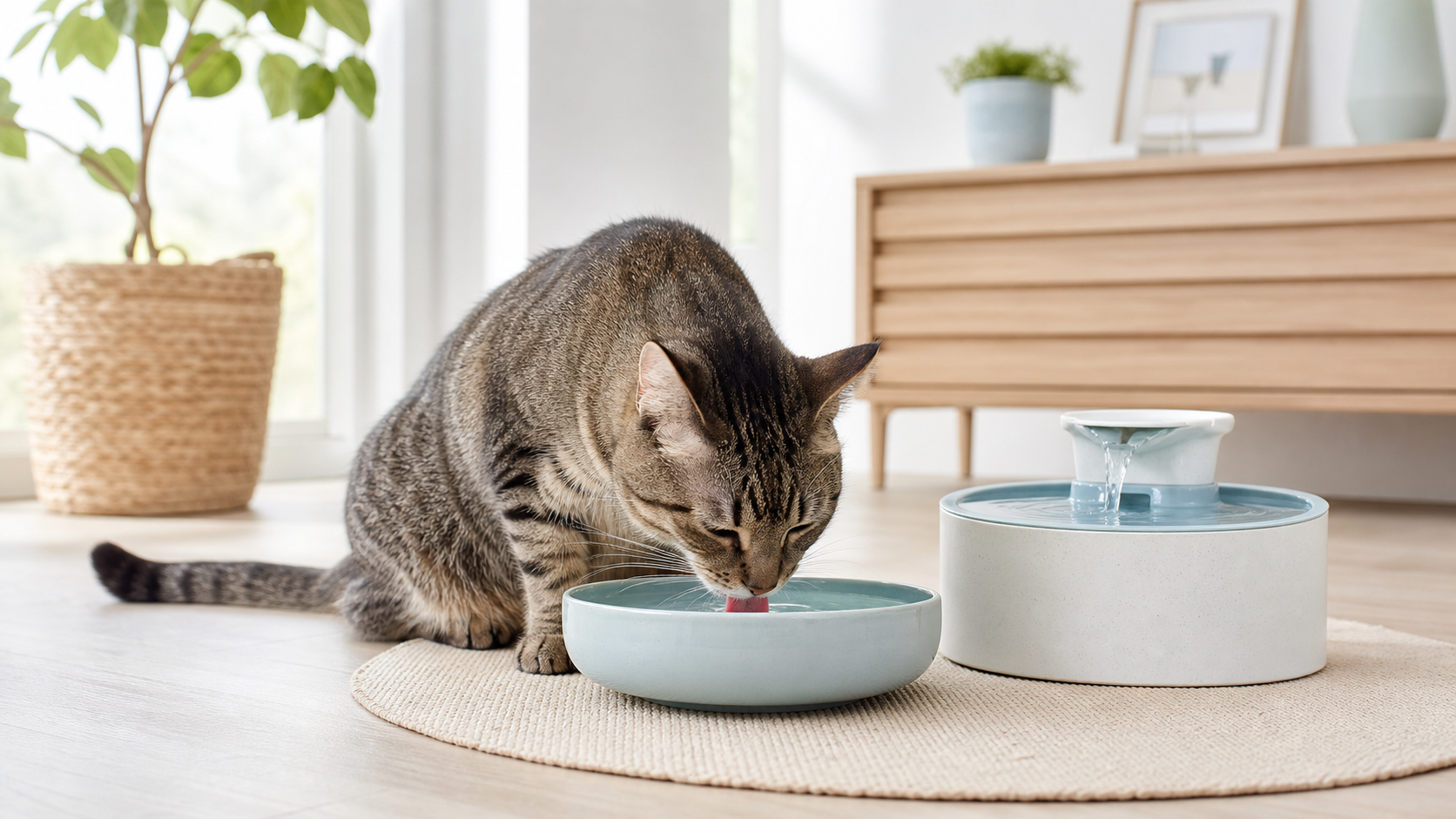
How to Help Indoor Cats Drink More Water Every Day
Practical ways to help indoor cats drink more through better bowl placement, fresh water, fountains, wet food and simple daily monitoring.
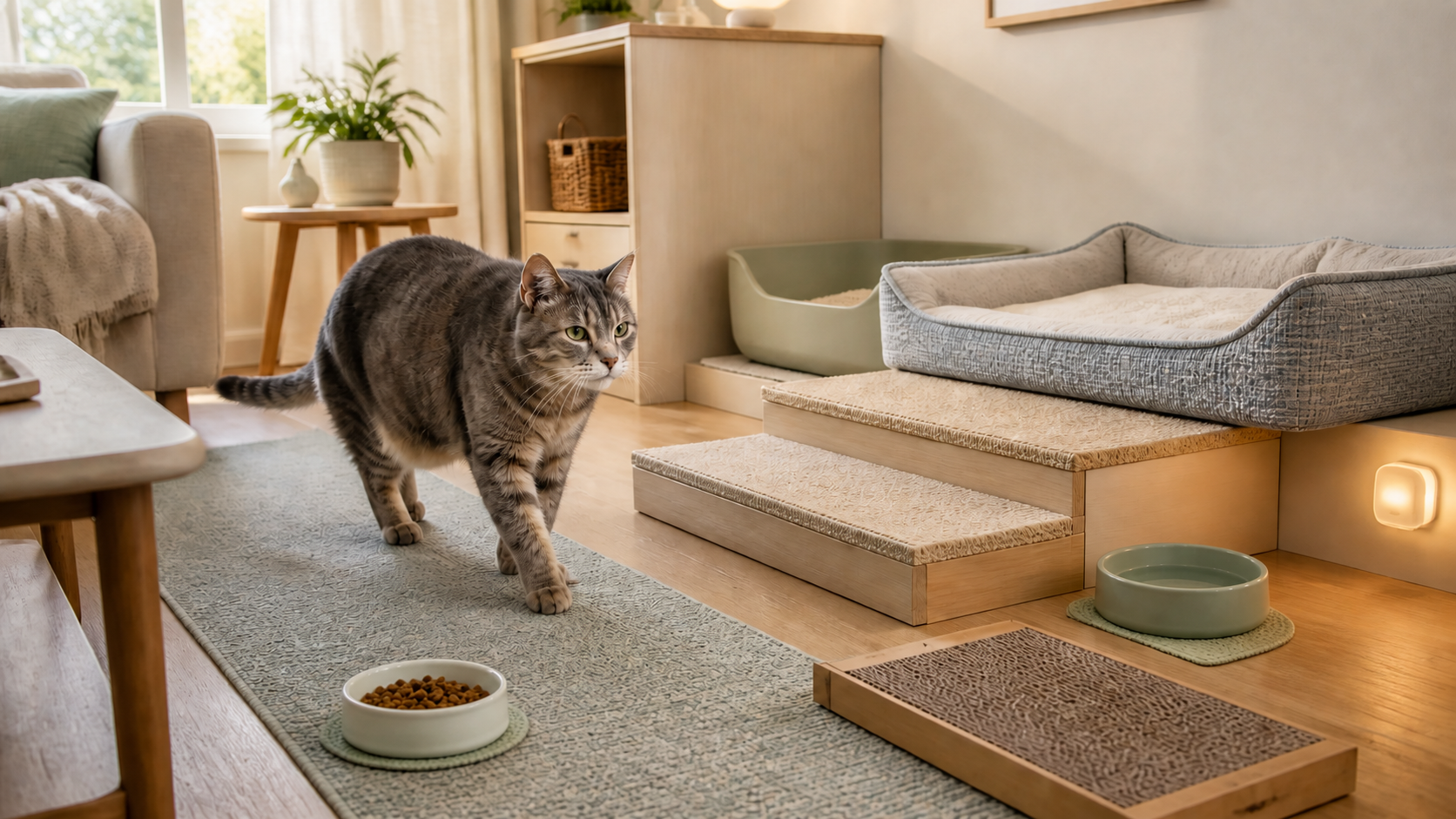
Senior Cat Home Setup: Comfort, Access and Safety
Create a safer, more comfortable home for a senior cat with low-entry litter boxes, non-slip paths, easier access, warm beds and separated resources.
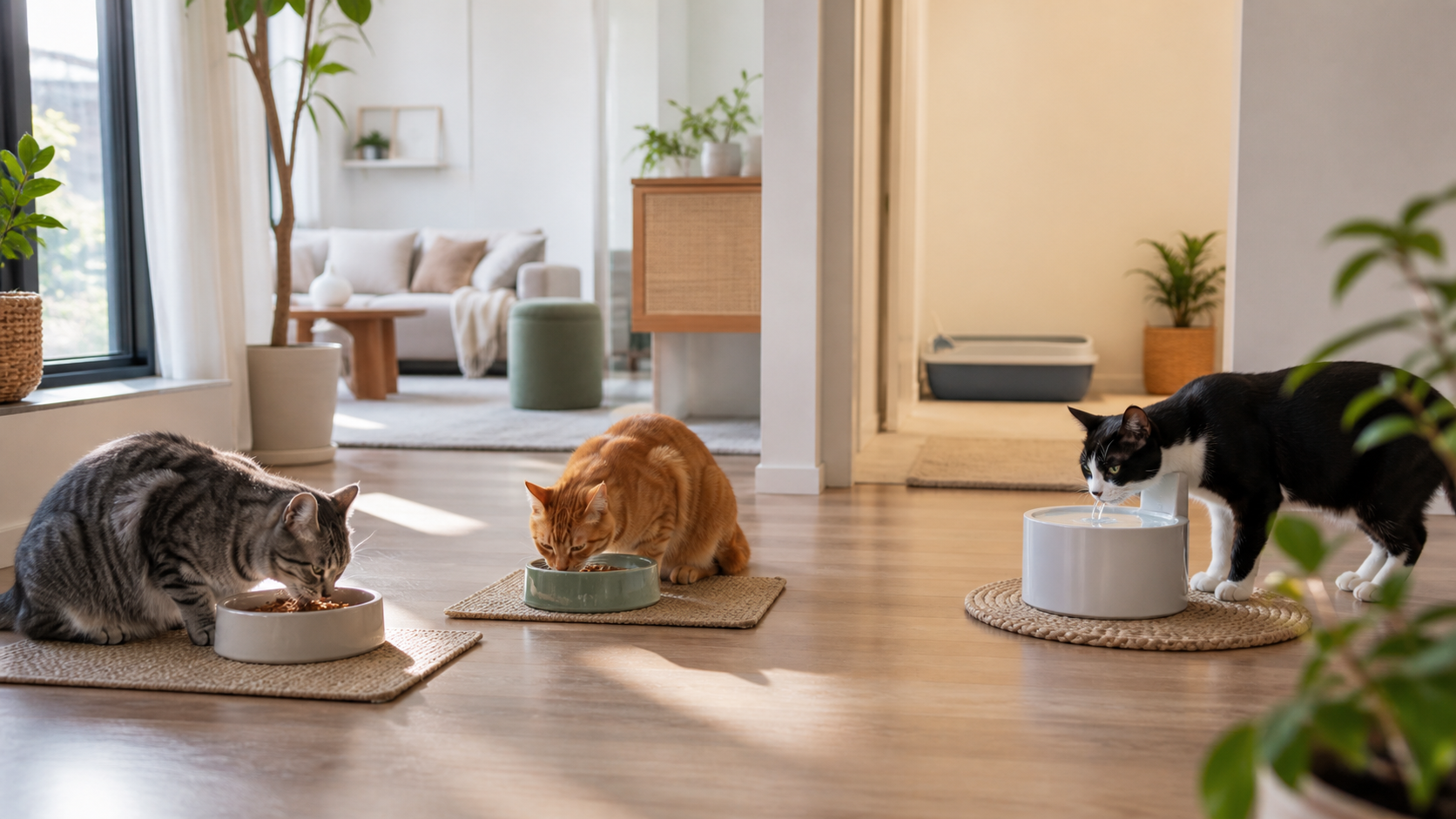
Multi-Cat Homes: Managing Food, Water and Litter
Manage food, water and litter in a multi-cat home with separated resources, safer routes, individual monitoring and practical cleaning routines.