Product Sourcing
Pet Products Manufacturer Checklist for US Buyers
Quick answer
Use this manufacturer checklist to compare pet product suppliers on specifications, samples, traceability, quality controls, packaging and US import readiness.
By ShineePets Editorial Team · Published

Searching for a pet products manufacturer is only the beginning of a sourcing decision. A credible comparison must connect the buyer's product specification, target market, sample evidence, quality controls, packaging, traceability and commercial terms. A supplier name, factory photo or low quotation cannot substitute for that evidence.
Use the checklist below to turn a broad search into a reviewable sourcing process. It is written for US buyers of non-food pet accessories. Requirements vary by product, material and destination, so confirm the applicable rules with a qualified customs broker, testing provider or legal adviser before placing an order.
1. Start With a Buyer Brief
Send every candidate the same written brief. At minimum, include:
- product category and intended animal;
- target user and reasonably foreseeable use;
- dimensions, materials, colors and construction;
- target market and sales channels;
- target order quantity and acceptable case pack;
- packaging, labeling and barcode requirements;
- customization scope, including logo or private-label packaging;
- required sample date, production window and delivery window; and
- documents or testing evidence required before approval.
If candidates quote different specifications, their prices are not comparable. Ask each supplier to return a signed or clearly versioned specification sheet with every deviation highlighted.
2. Verify the Business Behind the Quotation
Record the legal company name, business address, quotation entity, payment beneficiary and primary contact. Clarify whether the company is the manufacturer, an export company, a sourcing coordinator or a combination of these roles.
Ask who controls:
- product engineering and sample changes;
- material purchasing;
- production scheduling;
- in-process inspection;
- final inspection and release;
- packaging and labeling; and
- corrective action when a lot fails.
This is not about preferring one business model automatically. It is about knowing who owns each decision and whether the quotation, invoice, production record and payment trail refer to the same transaction.
3. Build a Specification That Can Be Inspected
A useful specification describes measurable acceptance criteria rather than adjectives such as premium or durable. Depending on the product, record:
- material name, grade and supplier reference;
- finished dimensions and tolerances;
- component count and approved construction;
- seam, fastener, adhesive or joint requirements;
- color standard and permitted variation;
- surface-finish expectations;
- odor, contamination and workmanship limits;
- labeling position and permanent product identifiers; and
- packaging configuration and shipping marks.
Attach dated drawings and photos. Give every approved sample and specification a revision number so a later bulk lot can be compared with the correct reference.
4. Request Evidence for the Destination Market
Do not ask for a generic “certificate package.” Ask which requirement applies to the exact product, material, claim and market—and why.
For US imports, US Customs and Border Protection explains that imported articles generally need country-of-origin marking in English, subject to specific exceptions. The marking must be sufficiently clear and durable for the product or its container. Review the current CBP importing guidance and confirm the treatment of the specific product with the importer or broker.
Marketing claims need their own evidence. The US Federal Trade Commission states that an unqualified Made in USA claim requires the product to be all or virtually all made in the United States. A buyer importing foreign-made goods should review the FTC Made in USA guidance before approving packaging or advertising language.
Product-specific requirements can depend on construction and intended use. Ask the responsible importer or compliance adviser to create a written matrix covering materials, labeling, warnings, testing, technical records and record-retention responsibilities.
5. Evaluate Samples in Stages
Use at least three gates:
1. Concept sample: checks size, appearance, function and user experience.
2. Pre-production sample: uses the intended materials, construction, packaging and labels.
3. Production reference: becomes the signed standard for the bulk lot.
Record every deviation and response. Do not approve a sample only through chat photographs. Keep the physical reference, dated photos, measurements and approval comments together.
6. Review the Quality-Control System
Ask for a process map showing incoming material checks, first-piece approval, in-process control, final inspection and nonconforming-product handling. Then test whether the records match the claimed process.
Useful evidence includes:
- incoming-material inspection records;
- batch or lot identification;
- first-piece measurements;
- in-process defect and rework records;
- final inspection criteria and results;
- calibration records for relevant measuring equipment; and
- corrective-action records for recurring defects.
The US Consumer Product Safety Commission provides recall planning guidance for manufacturers, importers, distributors and retailers of consumer products. Even when a particular pet accessory does not have a product-specific CPSC rule, buyers should plan how they will identify affected models or lots, stop distribution, notify partners and document corrective action if a safety issue arises.
7. Test Capacity and Timing With Evidence
Avoid relying on a single monthly-capacity number. Ask for the proposed production line, normal weekly output for comparable construction, current loading, material lead times, tooling needs and the production milestones for your order.
Build the schedule backward from the required delivery date:
- final destination date;
- import and inland-delivery allowance;
- ocean or air transit;
- export documentation and handover;
- final inspection and corrective-action buffer;
- packing completion;
- production;
- material preparation; and
- pre-production sample approval.
Treat lead time as a dated plan with dependencies, not a promise detached from sample approval and material availability.
8. Compare the Full Commercial Package
Normalize each quotation into the same structure:
| Cost or term | What to compare |
|---|---|
| Unit price | Exact specification, quantity tier and currency |
| Tooling | Ownership, storage, maintenance and reuse |
| Packaging | Inner pack, master carton, inserts, labels and artwork |
| Testing | Sample count, laboratory, scope and report ownership |
| Inspection | Included controls and third-party inspection access |
| Incoterm | Named place and current Incoterms rule |
| Payment | Deposit, balance trigger and beneficiary |
| Defect remedy | Rework, replacement, credit and evidence process |
| Change control | Price or timing impact after specification changes |
A higher unit quote may produce a lower landed risk if it includes better packaging, traceability, inspection access and change control. Compare the decision as a whole.
9. Use a Controlled Pilot
For a new supplier or product construction, use the smallest commercially meaningful pilot that can test the real materials, line, packaging and documentation. Define pass/fail criteria before production begins.
After the pilot, review:
- sample-to-bulk consistency;
- defect types and corrective-action speed;
- packaging performance;
- document accuracy;
- schedule accuracy;
- communication and escalation; and
- landed cost versus the approved estimate.
Only then decide whether to repeat, expand, redesign or stop.
Manufacturer Comparison Scorecard
Score evidence, not presentation:
- specification control;
- material traceability;
- sample accuracy;
- quality-control records;
- destination-market readiness;
- production planning;
- packaging and labeling;
- commercial transparency;
- corrective-action capability; and
- pilot performance.
Keep unresolved items visible. A sourcing decision is stronger when assumptions, owners and missing evidence are recorded before money and time become difficult to recover.
For retailers, distributors and pet brands
Turn this insight into a sourcing plan
Browse the ShineePets B2B catalog or discuss product selection, packaging, private-label and OEM/ODM requirements.
Explore the Wholesale Catalog Discuss OEM/ODMFrequently Asked Questions
What should a US buyer send before requesting a pet product quote?
Send the product specification, intended use, target market, quantity, packaging, customization, sample deadline and required evidence. This makes supplier quotations comparable.
Is a factory audit enough to approve a pet product manufacturer?
No. An audit is one evidence source. Buyers still need product-specific samples, specification control, quality records, packaging checks, destination-market review and a controlled pilot.
Who is responsible for US import compliance?
Responsibility depends on the product and transaction. The US importer should confirm applicable customs, product, labeling and agency requirements with qualified advisers rather than relying on a generic supplier certificate.
How can a buyer reduce sample-to-bulk differences?
Use a pre-production sample made with intended materials and packaging, assign a revision number, define measurable acceptance criteria and keep it as the signed production reference.
Sources and References
About this article
ShineePets publishes practical, source-checked guidance for pet owners and pet-product professionals.
ShineePets is a commercial B2B pet-supply sourcing brand. Read our editorial standards and commercial disclosure.
Continue Reading

How to Evaluate a Pet Supplies Manufacturer
A practical framework for assessing pet supplies manufacturers across quality systems, compliance, samples, capacity, traceability and commercial risk.

How to Review Pet Product Samples Before Bulk Orders
A practical framework for checking pet product samples, documenting defects, approving a golden sample and connecting approval to bulk inspection.
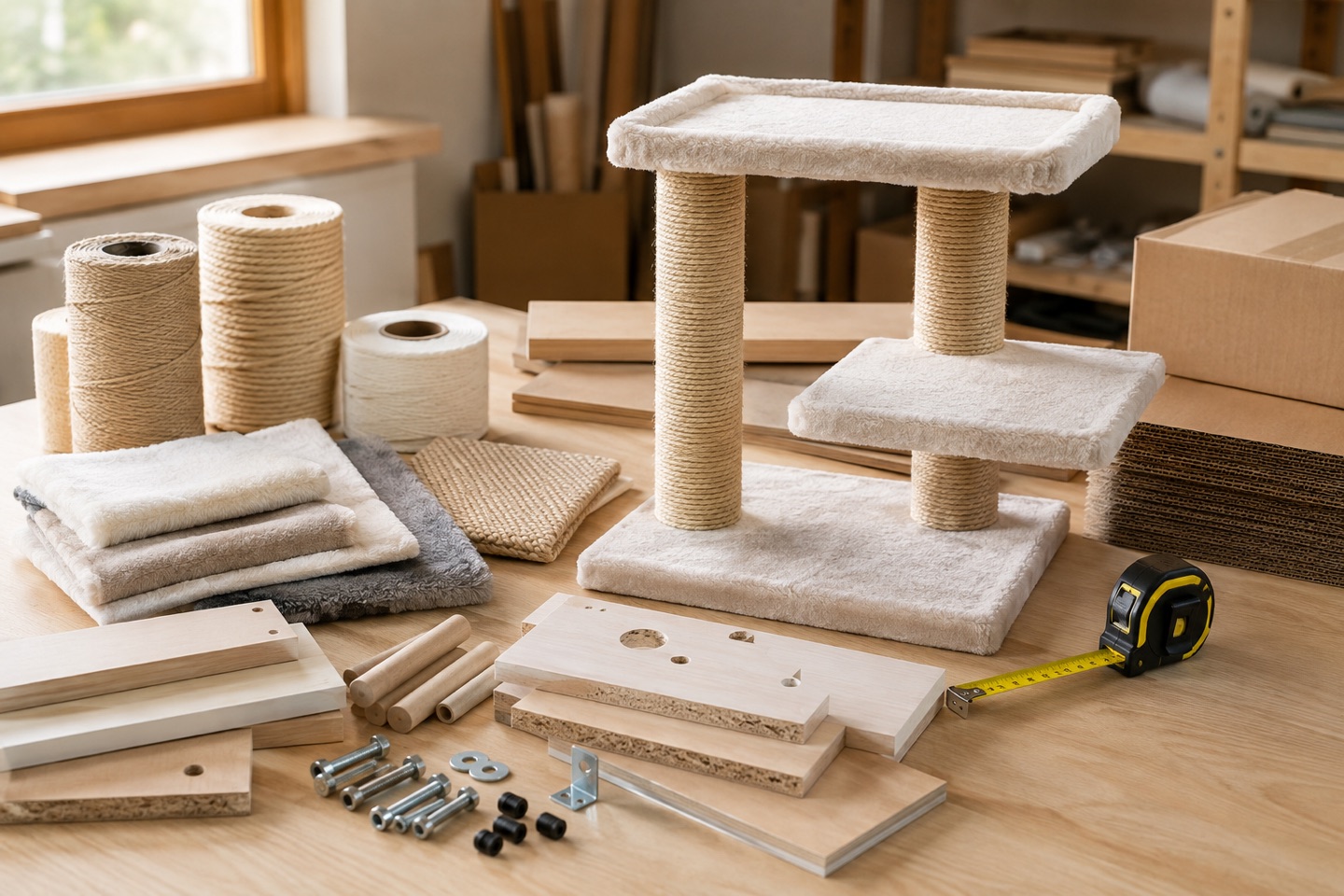
Cat Tree Manufacturer Sourcing Guide
Evaluate cat tree manufacturers using measurable dimensions, structural checks, composite-wood documentation, packaging and pilot-order controls.

Dog Toy Manufacturer Sourcing Guide
Compare dog toy manufacturers using a practical specification, sample, construction, packaging, traceability and pilot-order workflow.

International Pet Product Sourcing: A Step-by-Step Guide
A practical international pet product sourcing workflow covering specifications, supplier verification, compliance, samples, quality control, contracts, shipping and reorders.