Product Sourcing
Dog Toy Manufacturer Sourcing Guide
Quick answer
Compare dog toy manufacturers using a practical specification, sample, construction, packaging, traceability and pilot-order workflow.
By ShineePets Editorial Team · Published
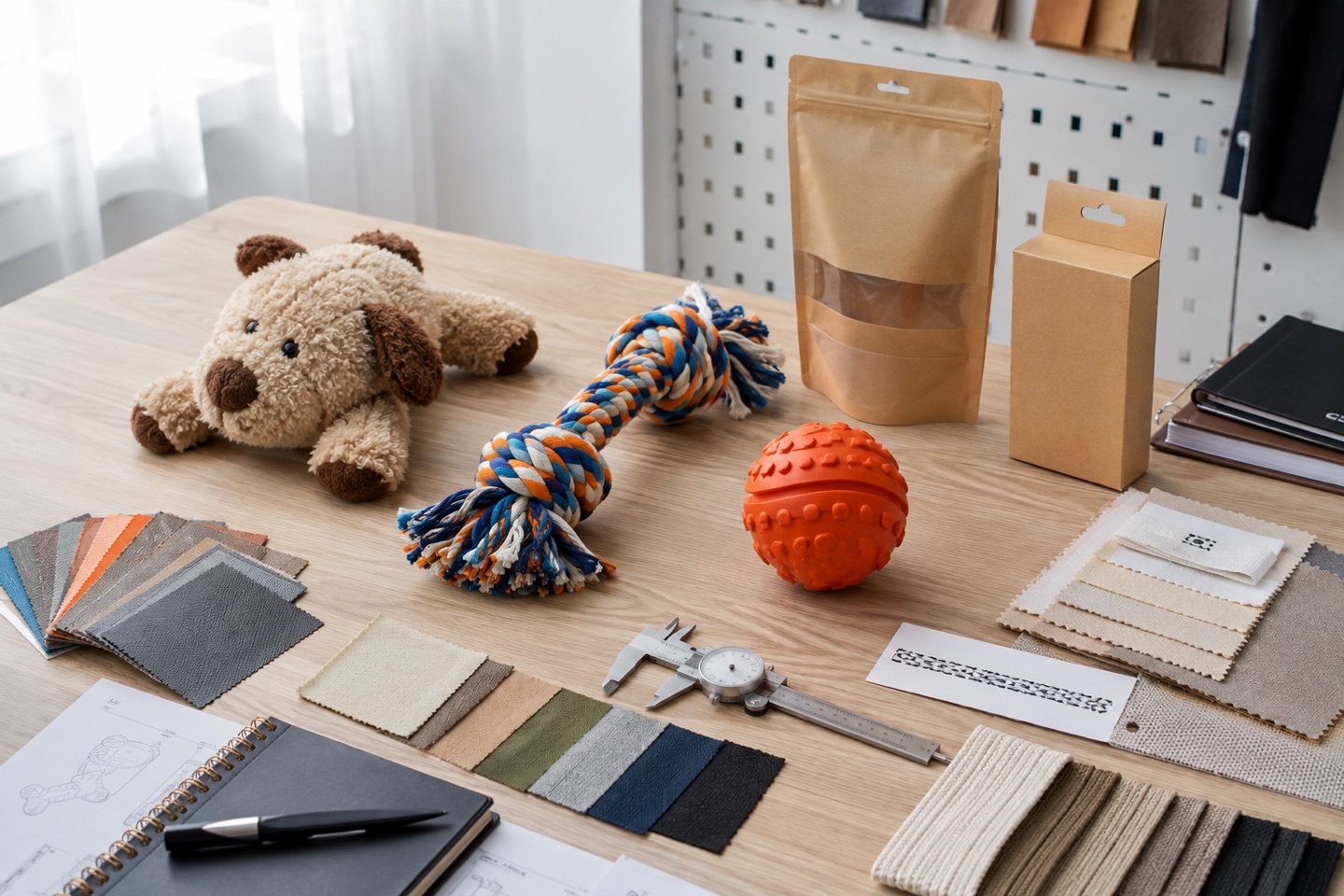
A dog toy manufacturer should be evaluated against the exact product and use case—not a generic claim that every toy is durable or safe. Plush, rope, rubber, fetch and interactive toys have different constructions, failure modes, packaging needs and buyer acceptance criteria.
This guide helps B2B buyers create a reviewable sourcing process for non-food dog toys. It does not replace product-specific legal or laboratory advice. Requirements vary by material, claims, target market and channel.
Define the Toy and the Intended Use
Start with a one-page product brief:
- toy type and primary play pattern;
- intended dog size and supervision assumptions;
- indoor, outdoor, water or travel use;
- finished dimensions and target weight;
- material and component list;
- color, finish and branding;
- sound, movement or interactive features;
- packaging and labeling format;
- target market and sales channel; and
- quantity, sample and launch timeline.
Avoid describing any toy as indestructible. A better specification defines the intended use, foreseeable misuse, inspection criteria and warning language for the target market.
Build a Product-Specific Risk Map
List how the exact construction could fail during normal and reasonably foreseeable use. Examples include:
- seam opening and loose filling in plush toys;
- detached squeakers or decorative parts;
- rope strands pulling free;
- cracking, tearing or fragment release in molded toys;
- sharp flash, edges or exposed hardware;
- trapped moisture or contamination;
- color transfer, odor or surface residue; and
- packaging that hides warnings or product identity.
Turn each risk into an inspection or review point. Do not copy a children's-toy standard into a pet-toy specification without confirming that it is appropriate and contractually intended.
Specify Materials and Construction
For every component, record the material description, approved color, supplier reference and permitted substitution process. The bill of materials should cover the outer material, filling, rope fibers, molded parts, squeaker, thread, adhesive, ink, label and packaging.
For plush toys, define seam type, stitch density, reinforcement points and how the squeaker or internal feature is secured. For rope toys, define fiber, diameter, braid or knot construction and end treatment. For molded toys, define material grade, hardness or other relevant material characteristics, wall thickness and acceptable molding finish.
A supplier substitution should require written buyer approval when it can affect function, durability, odor, appearance, labeling or market requirements.
Use a Staged Sample Plan
Evaluate samples in a repeatable sequence:
1. Appearance and dimensions: compare with the drawing and color reference.
2. Construction review: examine seams, knots, molded surfaces, inserts and attachment points.
3. Functional review: check the intended play function without presenting a short test as a lifetime guarantee.
4. Packaging review: verify product identity, quantity, warnings, barcode position and country-of-origin plan.
5. Pre-production approval: sign and date the sample made with intended materials.
Keep photos, measurements, comments and the physical reference together. If the supplier changes a material, factory, construction or packaging component, identify whether a new approval is required.
Create a Buyer-Defined Verification Plan
The verification plan should follow the risk map. Depending on the toy, it may include controlled checks for:
- dimensional consistency;
- seam or attachment strength;
- repeated compression, pull or flexing;
- surface finish and sharp points;
- small-component security;
- color transfer or visible residue;
- odor and cleanliness;
- packaging integrity; and
- label and warning accuracy.
Record the method, sample size, acceptance rule, equipment and responsible party. A pass result applies only to the tested design, materials and conditions; it should not be generalized to a different construction.
Plan Traceability and Corrective Action
Give the product a stable SKU or model reference and connect it to production date, lot, material batch and packaging version where practical. Keep approved samples, inspection results and shipment records searchable.
The US Consumer Product Safety Commission publishes recall guidance for consumer-product manufacturers, importers, distributors and retailers. Its recall checklist emphasizes identifying affected models or date codes, isolating inventory, notifying the distribution chain and improving quality controls. Buyers can use those principles when designing lot identification and escalation procedures.
The CPSC recall database is also a useful research source. Search comparable product descriptions and failure patterns during risk review, while remembering that a recall record does not by itself define the requirements for a new product.
Review Packaging and Origin Marking
Confirm how the toy, retail package and master carton will identify the product and lot. For products imported into the United States, country-of-origin marking generally needs to identify the origin in English, subject to product-specific rules and exceptions. Review CBP's importing guidance with the importer or customs broker before artwork approval.
Do not use a Made in USA statement simply because design, packaging or some processing occurs in the United States. The FTC's Made in USA guidance requires evidence for unqualified US-origin claims and explains how qualified claims should avoid misleading consumers.
Compare Quotes on the Same Basis
For each candidate, compare:
- confirmed bill of materials;
- tooling and sample charges;
- quantity tiers and case pack;
- packaging and artwork costs;
- testing and inspection scope;
- production and sample lead times;
- Incoterm and named place;
- payment milestones;
- change-control process; and
- defect remedy.
If one quote excludes packaging, inspection or required material controls, it is not directly comparable with a quote that includes them.
Approve a Controlled Pilot
Use a pilot order that runs through the intended materials, production process, packaging and records. Define acceptance criteria before the order begins, then inspect the lot against the approved sample.
After delivery, record defects, packaging damage, schedule variance, user feedback and supplier corrective action. Expand only when the evidence supports the next quantity—not because the first sample looked good.
Dog Toy Manufacturer Scorecard
- product-specific specification completeness;
- material and component traceability;
- sample-to-bulk control;
- construction and workmanship evidence;
- verification-plan clarity;
- packaging and origin-marking readiness;
- lot identification and recall readiness;
- schedule and commercial transparency; and
- corrective-action performance.
For retailers, distributors and pet brands
Building a dog-product assortment?
Explore dog toys, grooming, feeding, beds and travel products, with B2B sourcing and customization support.
Explore Wholesale Dog Products Discuss OEM/ODMFrequently Asked Questions
What should be included in a dog toy sourcing brief?
Include the toy type, intended dog and use, dimensions, materials, construction, features, packaging, target market, quantity and sample timeline.
Can one durability test prove that a dog toy is indestructible?
No. A test result applies to the tested design, material, sample and method. Avoid absolute durability claims and define intended use, verification methods and warnings accurately.
Why does lot traceability matter for dog toys?
Traceability helps a buyer connect complaints or defects to a production period, material batch, packaging version and shipment so corrective action can be targeted.
When should a buyer approve bulk production?
After a pre-production sample made with intended materials and packaging passes the agreed specification and verification plan.
Sources and References
About this article
ShineePets publishes practical, source-checked guidance for pet owners and pet-product professionals.
ShineePets is a commercial B2B pet-supply sourcing brand. Read our editorial standards and commercial disclosure.
Continue Reading
Pet Toy Safety: Materials, Size and Supervision
A practical guide to choosing safer pet toy materials and sizes, supervising first use, inspecting damage and responding to swallowed pieces.
How Pet Product Durability Testing Protects Buyers
Learn how tensile, abrasion, fatigue, impact, wash and transit testing help pet-product buyers compare suppliers and prevent predictable failures.
Pet Products Manufacturer Checklist for US Buyers
Use this manufacturer checklist to compare pet product suppliers on specifications, samples, traceability, quality controls, packaging and US import readiness.
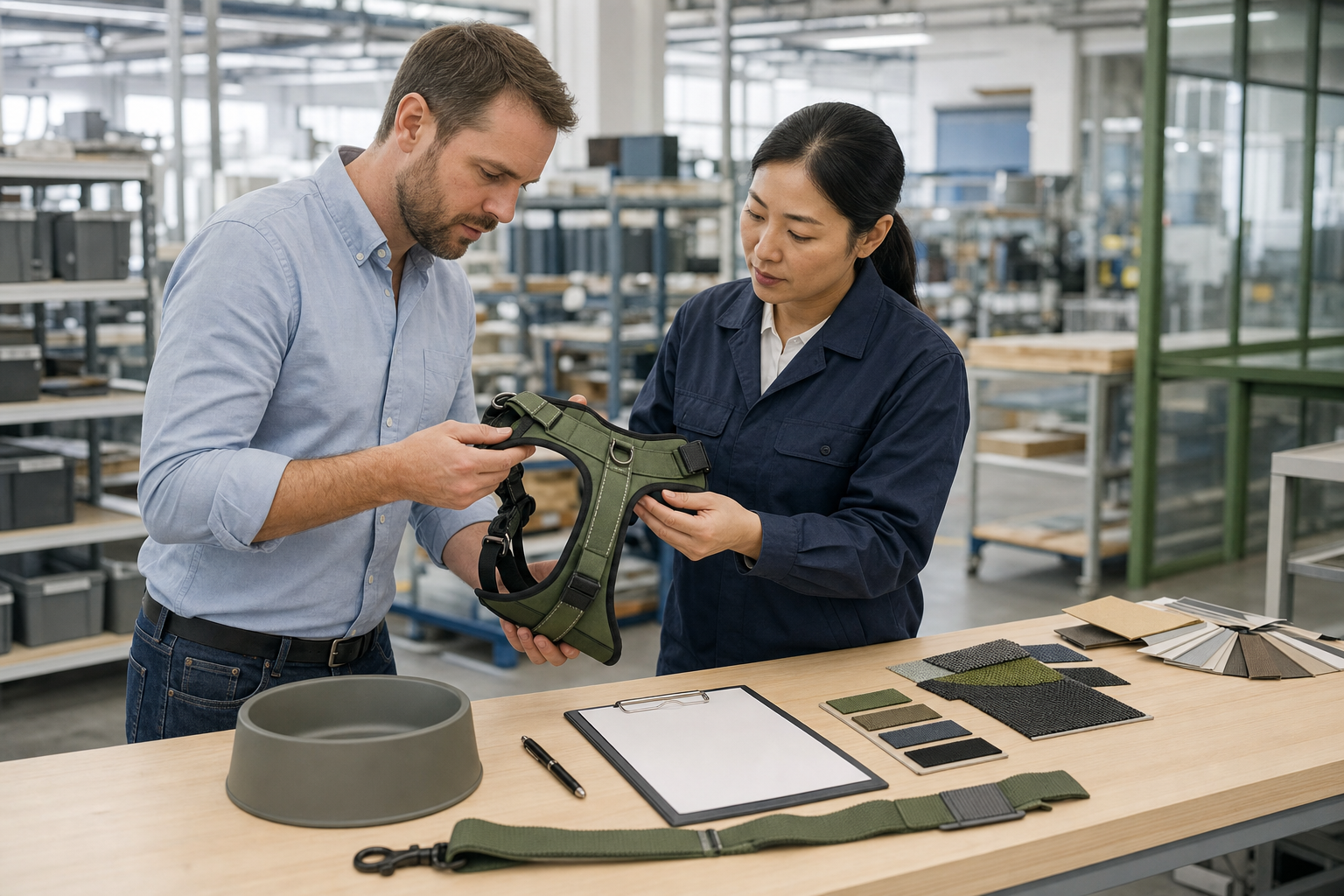
How to Evaluate a Pet Supplies Manufacturer
A practical framework for assessing pet supplies manufacturers across quality systems, compliance, samples, capacity, traceability and commercial risk.
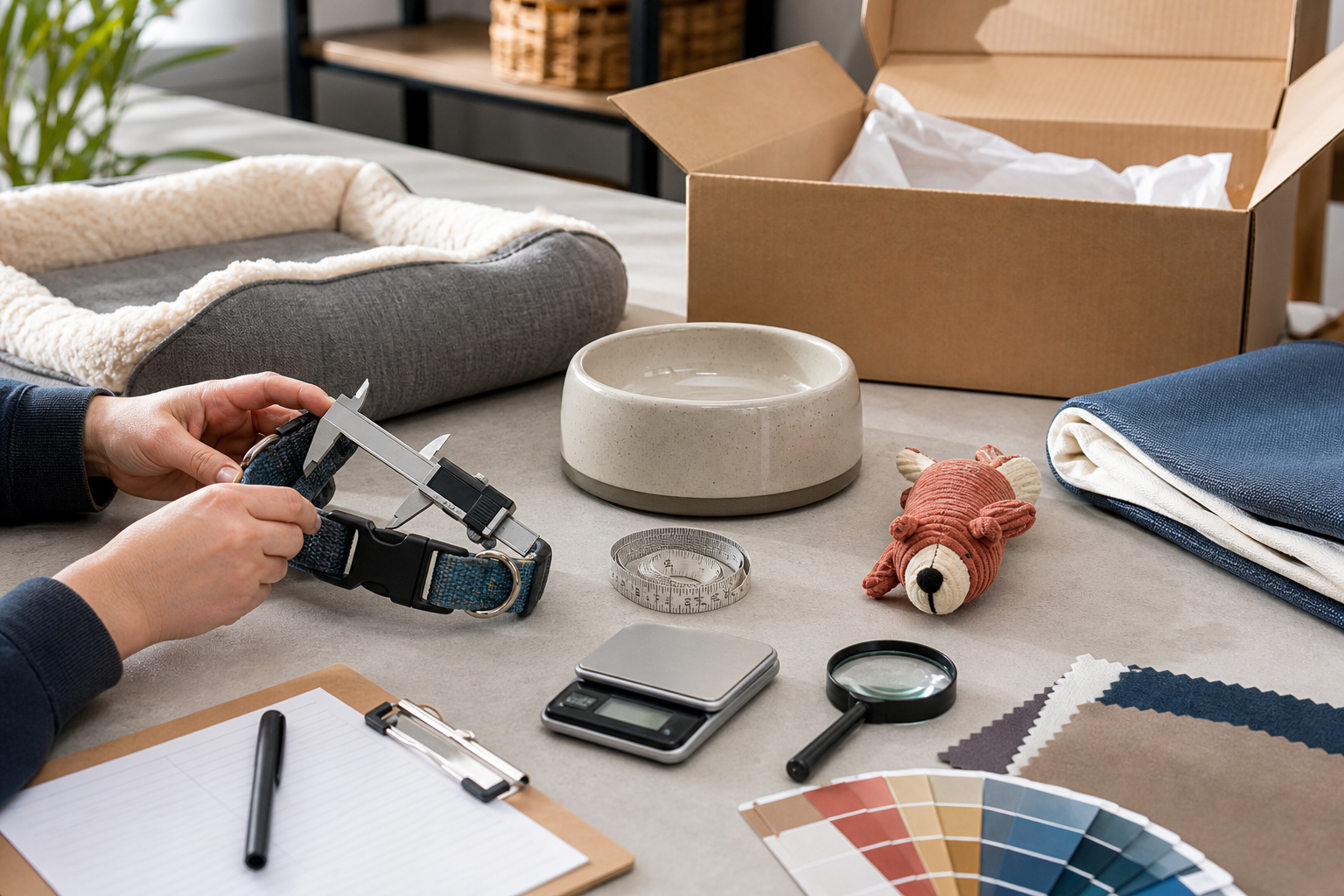
How to Review Pet Product Samples Before Bulk Orders
A practical framework for checking pet product samples, documenting defects, approving a golden sample and connecting approval to bulk inspection.