Product Sourcing
Cat Tree Manufacturer Sourcing Guide
Quick answer
Evaluate cat tree manufacturers using measurable dimensions, structural checks, composite-wood documentation, packaging and pilot-order controls.
By ShineePets Editorial Team · Published
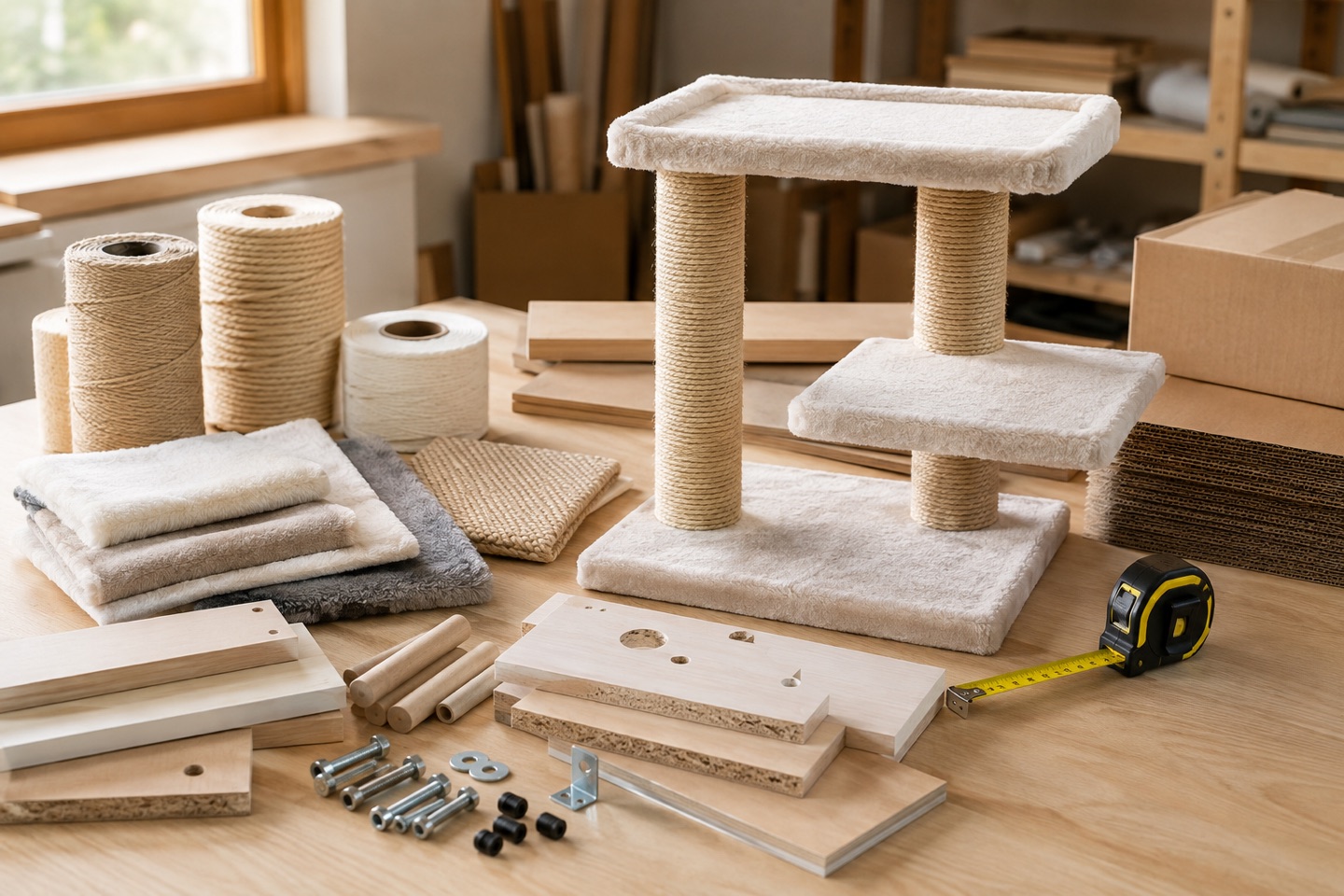
A cat tree manufacturer should be compared using the same product specification, structural verification plan, material documents, packaging requirements and commercial assumptions. Height alone is not a sufficient basis for judging quality or comparing quotations.
This guide focuses on B2B sourcing of non-food cat furniture. The exact requirements depend on materials, design, claims and destination market. Buyers should confirm applicable legal and testing obligations with qualified specialists.
Define the Product Architecture
Begin with an exploded drawing and component list. Record:
- overall height, width, depth and product weight;
- base dimensions and thickness;
- platform, condo, hammock and perch dimensions;
- post diameter, wall construction and connection method;
- board type, thickness and edge treatment;
- upholstery or covering material and attachment method;
- sisal type, diameter, wrap length and fixing method;
- fastener type, size, quantity and installation position;
- anti-tip or wall-attachment provision where applicable; and
- retail and master-carton configuration.
Give each drawing, bill of materials and approved sample the same revision number. Quotations should identify the revision being priced.
Match the Design to the Intended User
Define the intended cat size, number of cats, indoor environment and likely behaviors. A compact kitten tower and a tall multi-cat structure require different dimensions, platform areas and stability checks.
Review:
- access between levels;
- usable perch and condo dimensions;
- openings where a body or limb could become trapped;
- exposed fasteners or sharp edges;
- moving hammocks or hanging toys;
- base footprint and center of gravity;
- foreseeable climbing, jumping and scratching loads; and
- assembly accuracy expected from the consumer.
Warnings and instructions should reflect the actual design. Do not rely on generic text that was written for another model.
Specify Panels and Composite-Wood Evidence
Cat trees often use particleboard, medium-density fiberboard, plywood or combinations of these materials. Record the panel type, thickness, density or grade where relevant, surface finish and approved supplier.
For products containing regulated composite wood and sold or imported into the United States, the US Environmental Protection Agency's TSCA Title VI information explains requirements covering hardwood plywood, medium-density fiberboard and particleboard, including certification, labeling, recordkeeping and import provisions.
EPA guidance also explains that fabricators, importers, distributors and retailers may need invoices, bills of lading or comparable records containing the appropriate compliance statement. Review the current EPA stakeholder questions with the responsible importer and confirm whether the exact panels and finished product are within scope.
Do not accept a photograph of a label as complete evidence. Connect documents to the panel supplier, product, production period and shipment.
Control Sisal, Upholstery and Adhesives
Define the sisal rope or fabric construction, diameter, color, odor and acceptable natural variation. Specify how starts and ends are secured and whether staples, adhesives or mechanical fixing are used.
For upholstery, define fiber composition, weight or thickness where relevant, color reference, backing, pile direction, seam or edge finish and attachment method. Clarify any adhesive used and the process for approving a substitute.
Evaluate shedding, loose fibers, exposed staples, wrinkles, delamination, odor and contamination against written limits rather than informal visual approval.
Create a Structural Verification Plan
The plan should be designed for the exact model. Depending on structure and intended use, buyer-defined checks may include:
- dimensional and component verification;
- assembly trial using final instructions and included tools;
- fastener engagement and torque-control review;
- platform and perch loading;
- lateral movement and wobble assessment;
- repeated use or cyclic movement at selected points;
- pull checks for sisal, fabric and attached features;
- edge, point and exposed-hardware inspection;
- stability review on representative floor surfaces; and
- wall-attachment or anti-tip review where provided.
Document the method, load, duration, sample quantity and pass/fail rule. Do not convert an internal check into a universal safety claim. A result supports only the tested model, materials and method.
Make Consumer Assembly Part of Quality Control
Flat-pack furniture can fail commercially even when every component is correct. Run the assembly using the final instruction sheet, hardware pack and tools.
Check that:
- component labels match the instructions;
- fasteners are distinguishable and counted correctly;
- hole locations and threads align;
- the assembly sequence is possible without improvisation;
- warnings remain visible;
- the completed product matches the drawing; and
- spare or replacement hardware rules are clear.
Photograph the packed hardware set and final assembly steps as part of the approved reference.
Design Packaging Around the Product
The packaging specification should control panel protection, hardware containment, moisture exposure, abrasion, carton strength, carton dimensions and shipping marks. Define how heavy panels are separated and how upholstery is protected from hardware and dirty surfaces.
Use a packaged-sample review before approving bulk cartons. Any transit test should state the package configuration, conditioning, method, sample count and acceptance rule. A generic “drop tested” statement without those details is not decision-ready evidence.
Confirm Origin Marking and Product Identity
For products imported into the United States, country-of-origin marking generally needs to identify the origin in English, subject to applicable exceptions and detailed rules. Review CBP's importing publication with the importer or broker before artwork is locked.
The product, instructions, carton and commercial records should use a consistent model or SKU. Add a production or lot reference where practical so complaints, replacement parts and corrective actions can be traced to the correct version.
Compare Commercial Terms Consistently
Normalize quotations for:
- exact drawing and bill-of-material revision;
- panel, upholstery and sisal specification;
- hardware and spare-part pack;
- retail and master packaging;
- sample and documentation costs;
- inspection and packaged-product verification;
- quantity tiers and case pack;
- production schedule and change-control rules;
- Incoterm and named place;
- payment milestones; and
- defect or missing-part remedy.
Large differences in panel thickness, post construction or packaging can make similar-looking cat trees commercially different products.
Approve a Pilot Before Expansion
The pilot should use intended panels, coverings, hardware, packaging and records. Inspect finished units against the approved sample and assemble a defined sample from the lot.
After delivery, review damage, missing hardware, assembly complaints, wobble reports, surface defects, replacement-part requests and supplier corrective action. Use that evidence to decide whether to expand, modify or stop.
Cat Tree Manufacturer Scorecard
- drawing and bill-of-material control;
- panel documentation and traceability;
- sisal, upholstery and adhesive control;
- structural verification clarity;
- assembly and hardware accuracy;
- packaging performance;
- origin marking and product identity;
- schedule and quotation transparency; and
- pilot and corrective-action performance.
For retailers, distributors and pet brands
Shortlisting cat trees for your range?
Compare models, then share your dimensions, materials, quantity and destination. Sample fees, packaging and commercial terms are confirmed for the selected model.
Compare Cat Trees & Condos Discuss OEM/ODMFrequently Asked Questions
What information should a cat tree quotation reference?
It should reference the exact drawing and bill-of-material revision, quantity, packaging, documentation, inspection scope, Incoterm, named place and production schedule.
Why is panel documentation important for cat trees?
Panel type affects structure, weight, finish and potentially destination-market requirements. For regulated composite wood in the United States, buyers should review TSCA Title VI certification, labeling and recordkeeping obligations.
How should buyers evaluate cat tree stability?
Use a model-specific verification plan covering dimensions, base geometry, assembly, fasteners, lateral movement, selected loads and foreseeable use. Record the method and acceptance rule rather than relying on a generic stability claim.
What should a cat tree pilot order verify?
Verify sample-to-bulk consistency, panel and covering quality, hardware accuracy, consumer assembly, packaging, shipment damage, documentation and corrective-action response.
Sources and References
About this article
ShineePets publishes practical, source-checked guidance for pet owners and pet-product professionals.
ShineePets is a commercial B2B pet-supply sourcing brand. Read our editorial standards and commercial disclosure.
Continue Reading
Cat Tree Buying Guide: 7 Features That Matter
Choosing the right cat tree is about more than height. Compare stability, materials, scratching surfaces, layout, cleaning, and available space before buying.
How to Choose the Right Cat Tree for Indoor Cats
A practical guide to choosing a stable, comfortable and space-efficient cat tree for indoor cats, covering height, materials, scratching surfaces, placement and multi-cat use.

Pet Products Manufacturer Checklist for US Buyers
Use this manufacturer checklist to compare pet product suppliers on specifications, samples, traceability, quality controls, packaging and US import readiness.
How to Evaluate a Pet Supplies Manufacturer
A practical framework for assessing pet supplies manufacturers across quality systems, compliance, samples, capacity, traceability and commercial risk.
How to Review Pet Product Samples Before Bulk Orders
A practical framework for checking pet product samples, documenting defects, approving a golden sample and connecting approval to bulk inspection.