Cat Care
Summer Cat Care: Hydration, Shade and Indoor Comfort
Quick answer
Create a safer summer setup for indoor cats with accessible water, shaded resting zones, secure airflow and clear heatstroke warning signs.
By ShineePets Editorial Team · Published
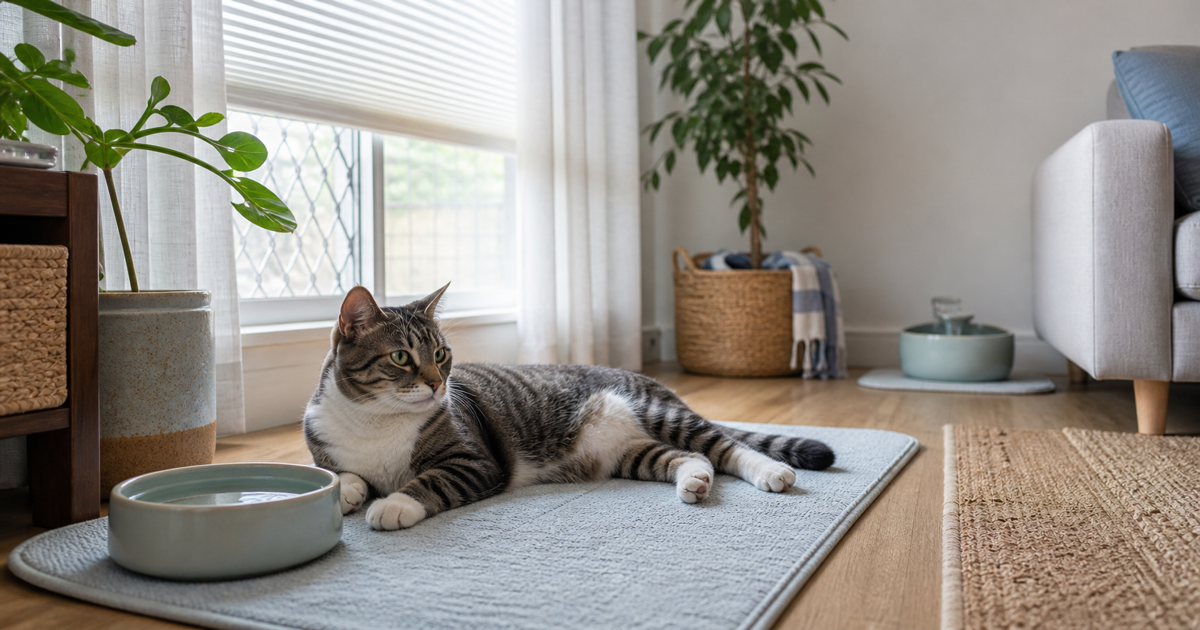
Good summer cat care is built around three things: easy access to fresh water, several cooler shaded places, and a home setup that lets a cat move away from heat. Indoor cats are not automatically protected. Sun-facing rooms, conservatories, enclosed balconies, carriers and poorly ventilated spaces can become dangerously hot, while some cats show only subtle changes before they become unwell.
Prepare before the hottest part of the day. Block direct sun, preserve safe airflow, refresh more than one water station and check where your cat actually chooses to rest. Learn your cat's normal drinking, appetite, activity and breathing so you can recognize a meaningful change. Panting, breathing difficulty, weakness, confusion, vomiting, loss of coordination, collapse or seizures require urgent veterinary help.
Start Summer Cat Care With a Home Heat Map
Do not judge the whole home from one thermostat. Walk through it during the hottest hours and note:
- which windows receive direct afternoon sun;
- whether blinds or curtains reduce radiant heat before the room warms;
- where airflow is weak or doors could close accidentally;
- whether a favorite high perch becomes hotter than floor level;
- which water bowls sit in sunlight or warm appliances nearby; and
- whether the cat can reach a cooler room without passing another pet.
Repeat the check after a weather change. A room that is comfortable in the morning may become the warmest space later. If you use an indoor thermometer, treat it as one input rather than a universal safety cutoff: humidity, airflow, sun exposure, a cat's health and acclimatization all affect risk.
The AAFP and ISFM feline environmental needs guidelines emphasize choice, safe resting places and separated resources. Apply that principle to heat: provide options instead of confining a cat to one “cooling station.”
Build a Summer Hydration Network
One full bowl does not guarantee that a cat will use it. Place water in multiple quiet, easy-to-reach locations, especially in multi-level homes. Keep stations away from litter trays and, where practical, separate from food. Choose stable, easy-to-clean bowls wide enough for comfortable access.
Use this routine:
1. Refresh water at least daily and sooner if it contains hair, food or debris.
2. Wash bowls regularly so residue does not build up.
3. Keep at least one familiar still-water bowl when introducing a fountain.
4. Place water in shade rather than where sunlight warms it.
5. Check that older cats and cats with limited mobility can reach it without climbing.
Wet food can contribute water, but dietary changes should suit the individual cat. Do not abruptly replace a prescribed diet or add salty flavorings to encourage drinking. Our focused guide on helping indoor cats drink more water covers bowl placement, fountains, food moisture and monitoring in more detail.
Cats Protection advises providing fresh water and notes that cats can obtain water through both drinking and wet food in its warm-weather guidance. If intake drops, water disappears unusually quickly, or thirst changes markedly, contact a veterinarian rather than assuming summer weather is the only cause.
Create Shade Before the Room Heats Up
Close blinds or curtains on sun-facing windows before strong sunlight enters. A shaded retreat should be available throughout the day, but it should not become an enclosed heat trap. Cardboard hides, open-sided beds and low resting platforms can work when they remain ventilated and the cat can leave freely.
Offer different surfaces. Some cats prefer tile or another cool floor; others choose a thin cotton mat or raised bed. Thick enclosed beds may be ignored during hot weather. Move a favorite bed out of direct sun rather than expecting the cat to abandon a familiar resting area.
Cats Protection and the RSPCA's summer guidance for cats recommend shade, drinking water and cooler resting options. A frozen water bottle wrapped securely in a towel can be placed near—not against—a resting place if the cat can move away. Never force a cat onto a cooling product.
Improve Airflow Without Creating New Hazards
Air conditioning can help maintain a more stable room, but avoid directing a strong cold stream at a bed. Fans circulate air; they do not make an already dangerously hot closed room safe. Secure power cords, use a stable fan base and ensure the cat cannot reach moving blades.
Open windows only when they have secure, correctly fitted screens or another cat-safe barrier. The ASPCA's window-safety advice warns that cats can fall after jumping or losing balance at open windows, including cats that normally live indoors. Check screens for gaps and loose frames rather than assuming an insect screen will withstand a cat's weight.
Never leave a cat in a parked car, unventilated carrier, greenhouse, conservatory, shed, garage, caravan or closed balcony. Check outbuildings before locking them. The risk is not limited to outdoor cats; an indoor cat can slip into a warm enclosed area unnoticed.
Adjust Food, Play and Grooming
Keep the routine predictable but shift vigorous interactive play toward cooler morning or evening periods. Let the cat stop, move away or choose quieter enrichment. Puzzle feeding and short ground-level play can provide activity without demanding prolonged exertion.
Serve meals in a shaded room. Follow the storage and disposal directions for the food, and remove wet food if it has been sitting out beyond the manufacturer's safe-use guidance. Do not leave a large portion exposed all day simply to increase moisture intake.
Regular gentle brushing can remove loose hair and help you notice coat or skin changes. Do not shave a cat as a general heat-control measure without advice from a veterinarian or qualified groomer; the coat and skin still need protection, and clipping may be inappropriate for the individual.
Give Higher-Risk Cats a Lower-Effort Setup
Any cat can overheat, but PDSA identifies long-haired, overweight, very young, older and flat-faced cats, as well as cats with heart or lung disease, among those at increased risk in its heatstroke guidance. A veterinarian can advise on an individual cat's medical risk.
For these cats:
- keep water, litter and resting areas on the same accessible level;
- add a shaded station near the cat's usual resting route;
- avoid forcing stairs or large jumps to reach a cooler place;
- check more often during a heatwave or power outage; and
- plan in advance where the cat can go if the home cannot stay cool.
For multi-cat homes, distribute water and resting sites so one cat cannot block them. The resource-planning approach in our multi-cat home guide is especially useful when every cat needs reliable access during hot weather.
Watch the Cat, Not Just the Weather App
Establish a simple daily baseline:
- where the cat rests during warm hours;
- whether breathing looks quiet and effortless;
- normal appetite and interest in interaction;
- typical water-bowl use and urine-clump pattern; and
- normal gait, alertness and grooming.
A small change can be the first useful signal. Contact your veterinarian promptly if a cat is unusually quiet, refuses food or water, repeatedly vomits, seems dehydrated, or develops a new breathing or behavior change. Cats with an existing condition may need an individualized summer plan.
Heatstroke Signs Need Immediate Veterinary Help
Heatstroke is an emergency. The Merck Veterinary Manual lists signs including hot skin, vomiting, drooling, rapid panting, distress, uncoordinated movement, collapse and unconsciousness. PDSA also lists abnormal gum color, weakness, confusion, seizures and breathing changes.
If you suspect overheating:
1. Move the cat away from the heat into shade or a cool, ventilated room.
2. Begin gentle cooling with cool tap water and airflow, keeping water away from the nose and mouth.
3. Offer water but do not force drinking.
4. Call a veterinarian immediately and follow their instructions while arranging transport.
5. Keep the vehicle cool and the carrier safely ventilated on the way.
Do not delay the call to see whether the cat recovers. Do not submerge the cat in ice water, place ice directly on the skin, or wrap the whole body in a wet towel that can trap heat. A cat that appears better after initial cooling still needs veterinary assessment because serious complications may not be visible at home.
A 10-Minute Daily Summer Check
Morning
- Refresh all water stations.
- Close sun-facing blinds before rooms heat up.
- Confirm screens, fans and cooling equipment are secure.
- Check that every cat has an open route to shade, water and litter.
Hottest part of the day
- Locate each cat and observe breathing, posture and responsiveness.
- Feel whether preferred beds or perches have become hot.
- Refresh any warm or contaminated water.
- Check sheds, balconies and other spaces before closing them.
Evening
- Compare food, water, litter and activity with the cat's normal pattern.
- Brush loose coat gently if the cat enjoys it.
- Reset the coolest sleeping and water areas for the night.
Summer comfort is not one cooling product. It is a home with several safe choices, clean water, controlled sunlight, reliable airflow and an owner who recognizes change early.
*This article provides general care information and does not replace veterinary diagnosis or treatment. Contact a veterinarian immediately if you suspect heatstroke or breathing difficulty.*
Sources and Further Reading
- Cats and Warm Weather — Cats Protection
- Keeping Your Cat Safe in Summer — RSPCA
- Heatstroke in Cats — PDSA
- What to Do in a Dog or Cat Emergency — Merck Veterinary Manual
- AAFP and ISFM Feline Environmental Needs Guidelines — Journal of Feline Medicine and Surgery via PubMed Central
- High-Rise Syndrome: Lifesaving Tips for Cat Parents — ASPCA
For retailers, distributors and pet brands
Building a cat-product assortment?
Explore cat trees, scratchers, toys, grooming and feeding products, with B2B sourcing and customization support.
Explore Wholesale Cat Products Discuss OEM/ODMFrequently Asked Questions
Should I add ice to my cat's drinking water?
Some cats accept a small ice cube, while others avoid changed water. Keep a familiar bowl available and never rely on ice as the main cooling method.
Is a fan enough to keep an indoor cat cool?
A fan can improve airflow, but it cannot make a dangerously hot closed room safe. Reduce direct sun, provide cooler spaces and use air conditioning when necessary.
Should I shave my cat in summer?
Not as a routine home measure. Gentle brushing can remove loose hair, but shaving may affect skin and coat protection. Ask a veterinarian or qualified groomer first.
How many water bowls should a cat have in hot weather?
There is no universal number. Provide multiple separated stations so clean water remains easy to reach, with additional access for multi-level or multi-cat homes.
Is panting normal for a cat on a hot day?
Persistent or unexplained panting can signal overheating, stress or another medical problem. Move the cat to a cool area and contact a veterinarian promptly, especially with weakness or distress.
Sources and References
About this article
ShineePets publishes practical, source-checked guidance for pet owners and pet-product professionals.
ShineePets is a commercial B2B pet-supply sourcing brand. Read our editorial standards and commercial disclosure.
Continue Reading
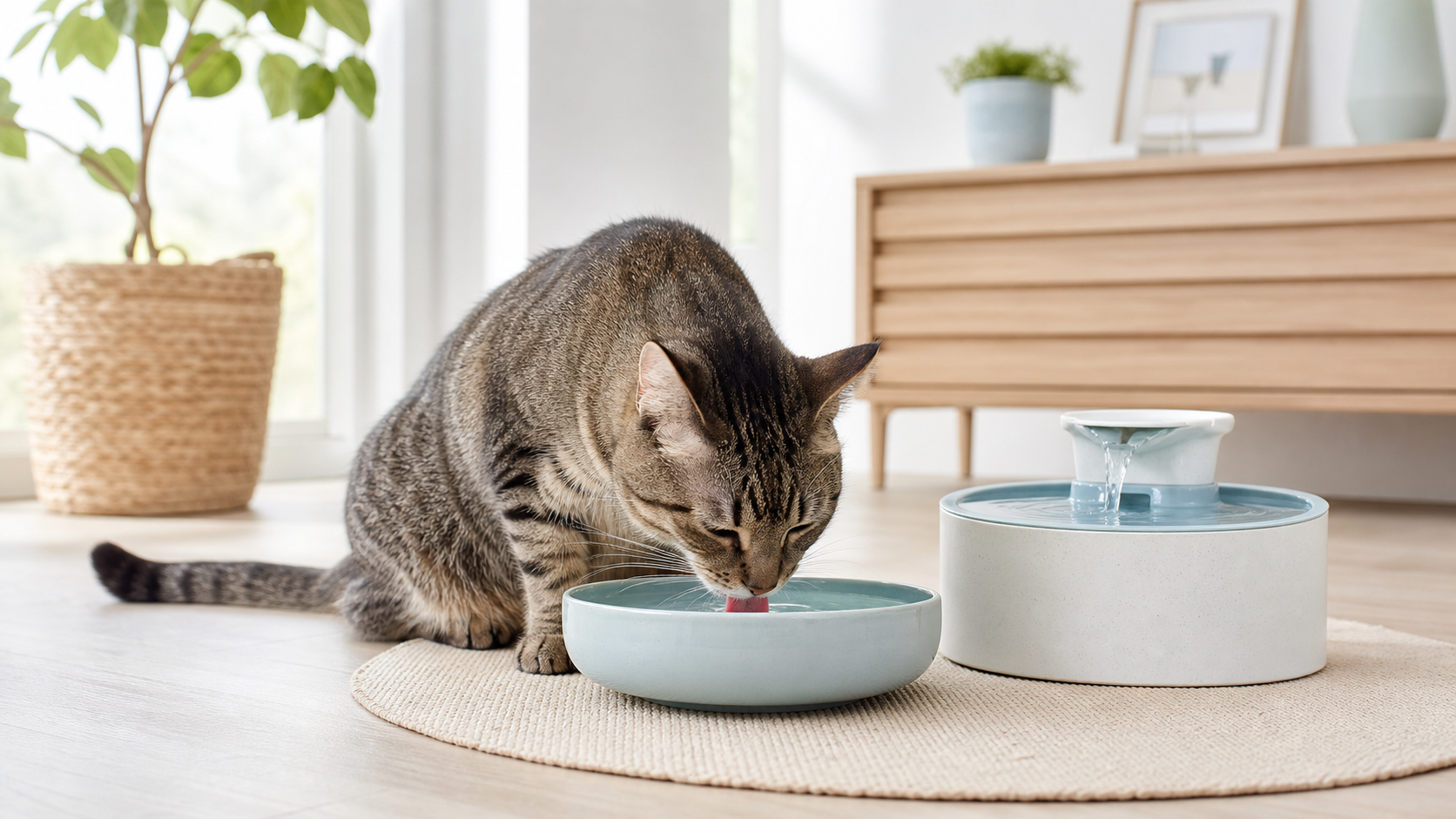
How to Help Indoor Cats Drink More Water Every Day
Practical ways to help indoor cats drink more through better bowl placement, fresh water, fountains, wet food and simple daily monitoring.
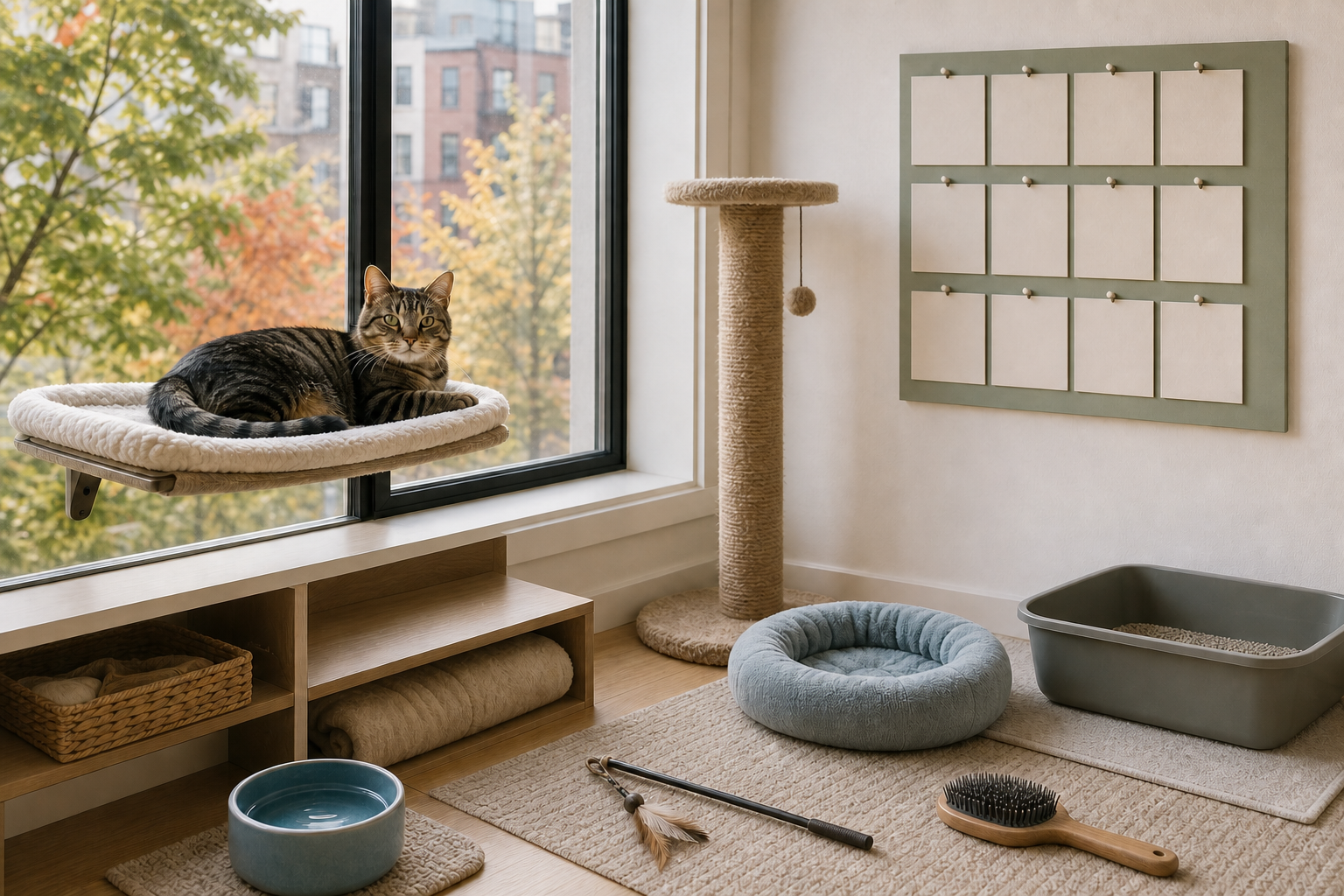
A Year-Round Cat Care Calendar for Indoor Homes
Follow a practical 12-month indoor cat care calendar covering preventive observations, grooming, hydration, litter boxes, enrichment, heat and home safety.
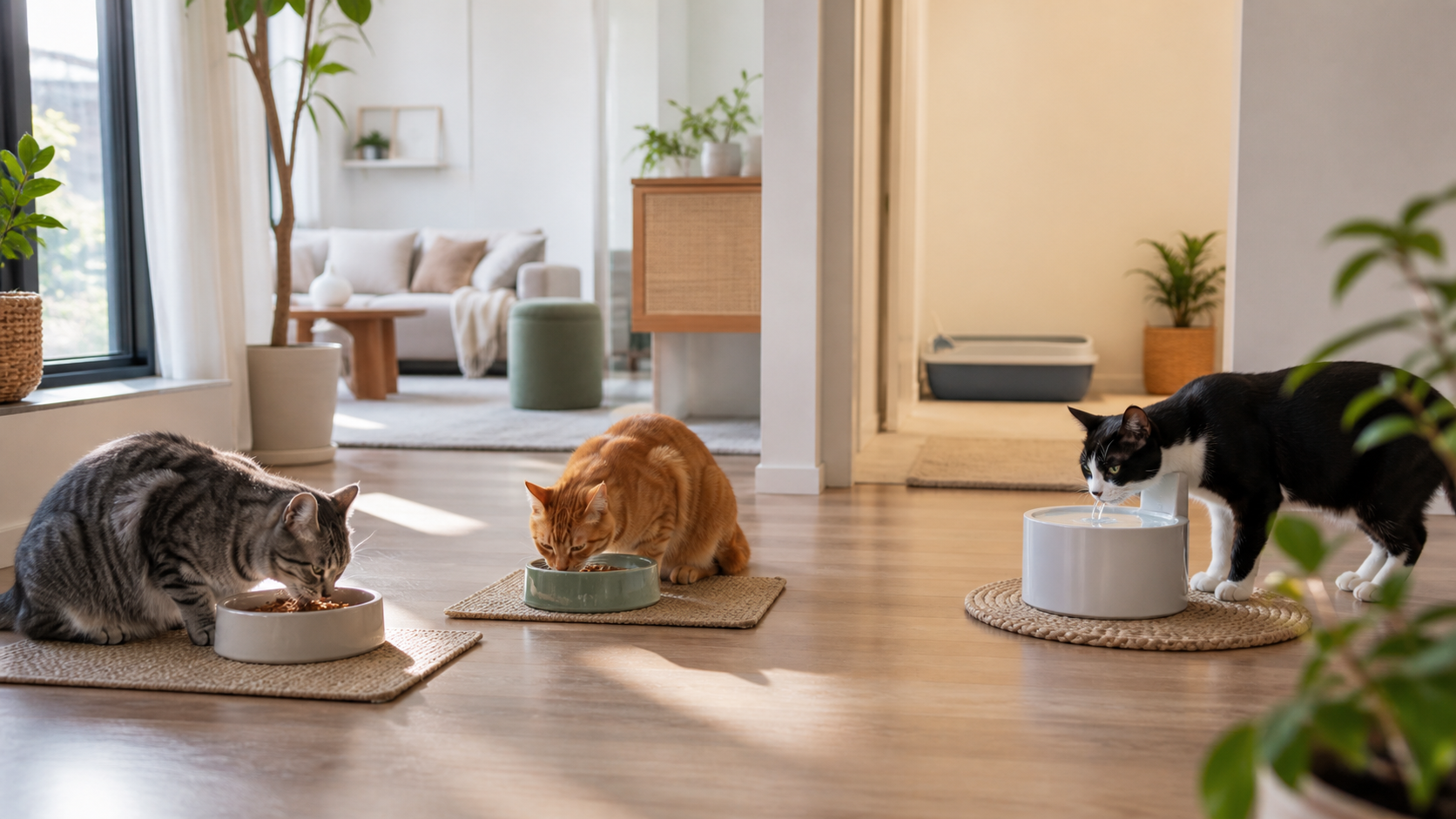
Multi-Cat Homes: Managing Food, Water and Litter
Manage food, water and litter in a multi-cat home with separated resources, safer routes, individual monitoring and practical cleaning routines.
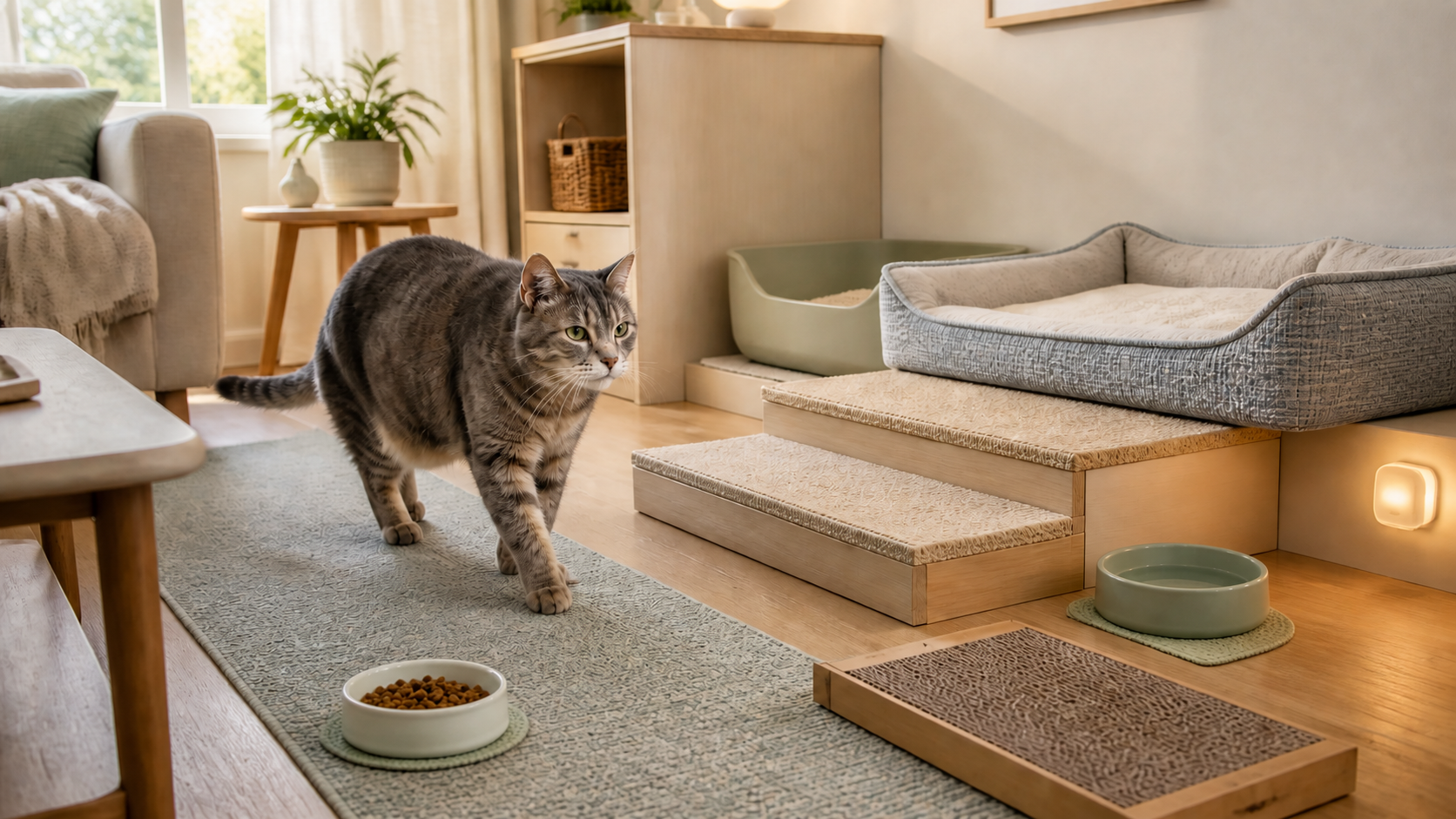
Senior Cat Home Setup: Comfort, Access and Safety
Create a safer, more comfortable home for a senior cat with low-entry litter boxes, non-slip paths, easier access, warm beds and separated resources.