Cat Care
A Year-Round Cat Care Calendar for Indoor Homes
Quick answer
Follow a practical 12-month indoor cat care calendar covering preventive observations, grooming, hydration, litter boxes, enrichment, heat and home safety.
By ShineePets Editorial Team · Published · Updated
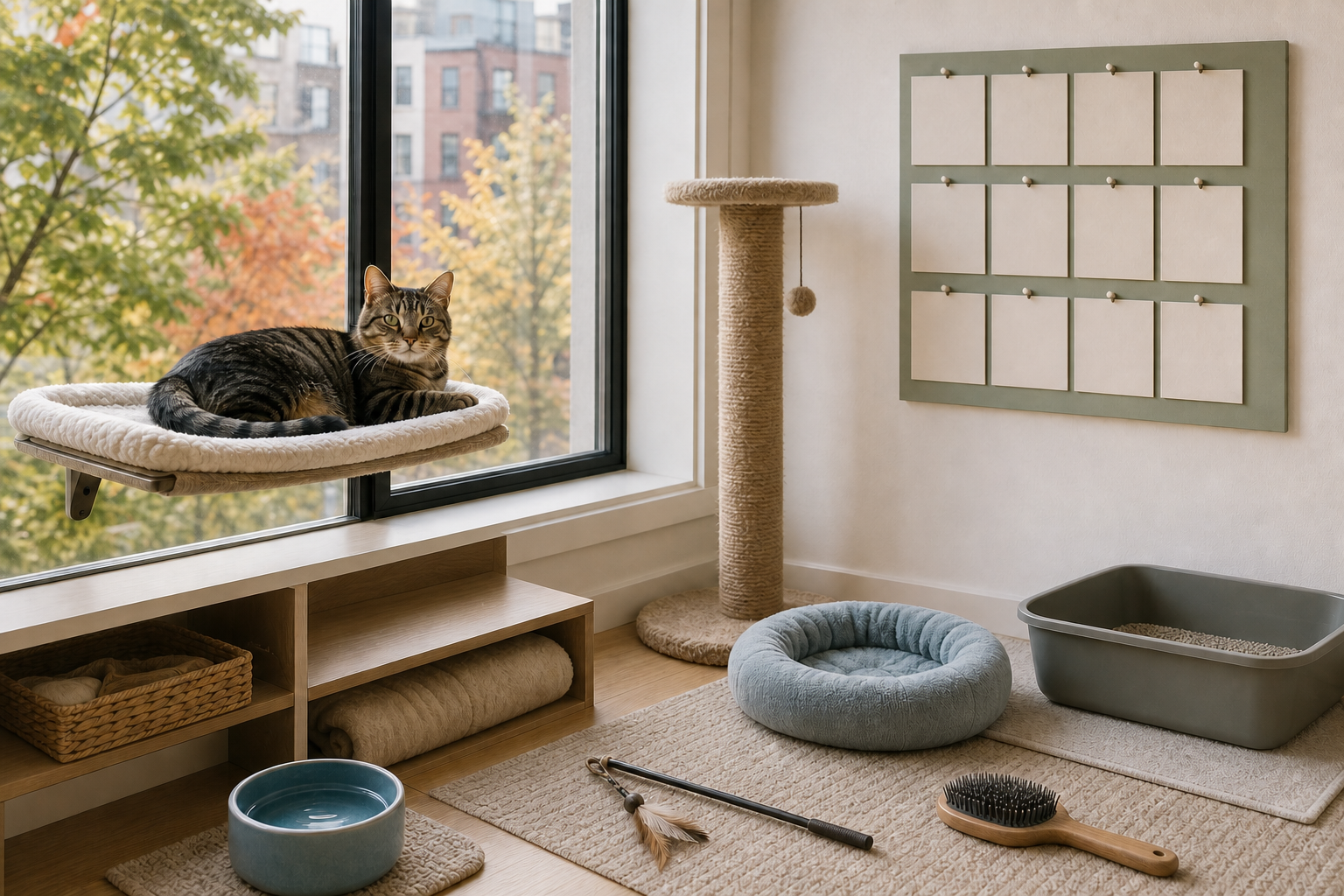
Indoor cats live in a controlled environment, but their needs still change with age, weather, household routines and health. A year-round cat care calendar helps owners notice small changes, maintain essential resources and spread routine checks across the year instead of trying to remember everything at once.
This guide is for household organization, not diagnosis. Veterinary care should be individualized to the cat's life stage, medical history and lifestyle. A calendar supports that relationship by giving owners better observations to share with their veterinarian.
Quick recommendation: Keep daily essentials consistent, choose one deeper care focus each month, and record meaningful changes in appetite, water intake, litter box use, mobility, coat and behavior.
The Care Tasks That Continue Every Day
Monthly themes should never replace the basics. Every day, provide fresh water, nutritionally appropriate food, a clean litter box, safe rest, scratching options, play and calm social contact on the cat's terms.
Make a short visual check during normal routines:
- Is the cat eating and drinking in its usual pattern?
- Are urine and stool patterns familiar for this individual cat?
- Is movement, jumping and grooming comfortable?
- Are the eyes, nose, mouth, coat and skin free from obvious new changes?
- Is the cat using familiar resting, feeding and litter areas?
- Has sociability, vocalization, hiding or play changed noticeably?
Cats can be subtle when they are unwell. A persistent or sudden change deserves attention even when the home environment has not changed.
January: Create a Baseline Record
Begin the year with a practical snapshot. Record the cat's current weight using the same scale and method you plan to use later. Take clear photos from above and from the side to help notice gradual body-shape changes, but do not use appearance alone to judge health.
List the cat's usual food, portion routine, water locations, litter type, medications prescribed by a veterinarian and known sensitivities. Add the date of the last veterinary examination, vaccination review, dental assessment and parasite-risk discussion. Do not create your own medical schedule; use the veterinarian's recommendations for the individual cat.
Walk through the home from the cat's perspective. Check access to elevated resting places, hiding areas, scratching surfaces and quiet routes between resources. Ohio State University's Indoor Pet Initiative emphasizes that indoor cats benefit from a cat-friendly environment with appropriate resources, not merely from being kept inside.
January checklist:
- establish weight and behavior baselines;
- confirm veterinary and emergency contact details;
- review the carrier's condition and accessibility;
- map food, water, litter, rest and scratching resources;
- note any stairs or jumps that may be difficult for an older cat.
February: Focus on Mouth and Dental Habits
Use February to observe the mouth without forcing it open. Watch the cat eat and note new food dropping, one-sided chewing, reluctance to eat familiar textures, pawing at the mouth, obvious odor, drooling or facial sensitivity. These signs require veterinary advice rather than an attempt to scrape teeth at home.
If a veterinarian has recommended home dental care, review the technique and products with the clinic. Never use human toothpaste. Introduce handling gradually and stop if the cat shows fear or pain.
The AAHA/AAFP Feline Life Stage Guidelines include oral health and dental care as continuing parts of preventive healthcare. Dental needs vary, so a calendar reminder should prompt observation and a professional discussion, not a universal cleaning interval.
March: Review Coat, Skin, Claws and Grooming
Seasonal shedding can make March a useful grooming month in many homes, but indoor lighting and climate control may blur traditional shedding seasons. Choose a brush that suits coat length and density, then use short sessions while the cat is relaxed.
Run your hands gently over the body and notice new mats, flakes, tenderness, wounds or lumps. Do not cut tight mats close to the skin with scissors; feline skin can be pulled into the mat and injured. Ask a veterinarian or experienced groomer for help when a mat is close, extensive or painful.
Check claws and scratching surfaces. Trimming frequency varies with age, activity and claw condition. Provide stable horizontal or vertical options that match the cat's preferences. The guide Pet Brush Types and the Coats They Suit Best explains how brush design should match the coat rather than marketing labels.
April: Audit Plants, Windows and Seasonal Hazards
Spring flowers, gardening supplies and open windows can change the risk profile of an indoor home. Identify every plant before bringing it inside. The ASPCA warns that true lilies and daylilies can cause life-threatening kidney injury in cats; petals, leaves, stems and pollen can all present risk. The safest response is to keep hazardous lilies out of a cat household entirely.
Check that window screens and balcony barriers are secure. A screen is not automatically a fall-proof barrier. Remove climbable furniture from unsafe openings and make sure tilt windows cannot trap a cat.
Discuss parasite prevention with a veterinarian even for an indoor cat. Risk depends on region, other animals, travel, insects and the household environment. Do not use a dog parasite product on a cat unless a veterinarian specifically confirms it is safe for that cat.
May: Improve Hydration and Feeding Stations
May is a good month to examine how water and food are offered. Cornell's Feline Health Center notes that hydration supports essential body functions and that cats vary in how they prefer to drink. Keep water fresh, easy to reach and protected from conflict with other animals.
Place water away from litter areas and consider more than one station in multi-level or multi-cat homes. Some cats prefer wide bowls, some prefer fountains and others obtain substantial water from wet food. Make changes gradually and observe the individual response.
Measure food consistently and keep dishes clean. Review the feeding station in How to Build a Calm and Clean Cat Feeding Station. If water intake, thirst, appetite or urination changes noticeably, contact a veterinarian rather than assuming the weather is the only cause.
June: Prepare for Heat and Travel Disruption
Indoor homes can still become dangerously hot during power failures, closed-room exposure or extreme weather. Cornell advises constant access to fresh water and a cool indoor area during heat. Check ventilation and confirm that the cat cannot become trapped in a sunroom, garage, balcony enclosure or unventilated room.
Panting, drooling, weakness, vomiting, collapse or severe distress can indicate a heat emergency. Move the cat to a cooler area and contact a veterinarian immediately. Do not apply ice directly or delay professional guidance while trying home remedies.
If travel or boarding is planned, inspect the carrier, identification and veterinary requirements early. Leave the carrier open as a familiar resting place before it is needed. Never sedate a cat for travel without veterinary direction.
July: Refresh Indoor Enrichment
Indoor enrichment should support natural behavior: observing, hiding, climbing, scratching, hunting-style play and resting. July is an opportunity to evaluate quality rather than simply adding more toys.
Rotate a small selection of safe toys and store string or wand toys when supervision ends. Add short, predictable play sessions that match the cat's age and mobility. Provide choice; one cat may prefer elevated observation while another uses floor-level tunnels or covered beds.
Watch for frustration or conflict in multi-cat homes. Duplicate important resources and separate them so one cat cannot guard everything from a single location. The article Indoor Cat Play: Building a Balanced Daily Routine offers a structured approach without relying on constant novelty.
August: Conduct a Litter Box Audit
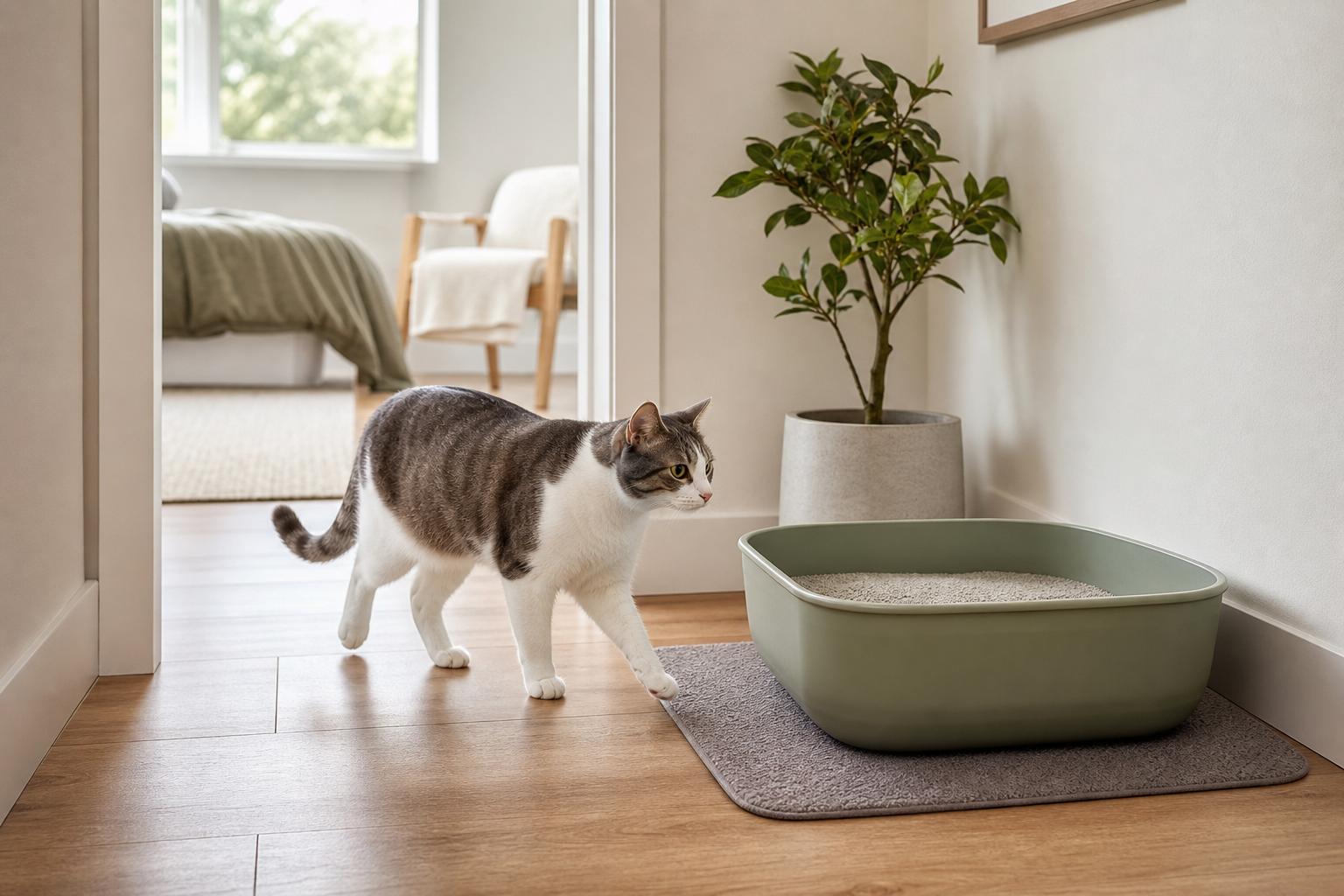
Litter boxes provide daily information about elimination and comfort. In August, check box number, size, entry height, litter depth, location and cleaning routine. Cornell notes that many cats prefer simple uncovered boxes, fine unscented litter and clean conditions. A common starting point is one box per cat plus one, distributed in separate accessible locations.
A box should be easy to enter, especially for kittens, seniors and cats with mobility limitations. Keep it away from food and water and avoid placing every box where one cat can block another.
Do not treat elimination outside the box as spite. Pain, illness, mobility, fear, box aversion or household conflict can all contribute. A new change in urination, defecation or box use should be discussed promptly with a veterinarian. For room-specific placement considerations, see Cat Litter Box Placement: A Room-by-Room Guide.
September: Recheck Weight, Movement and Access
Repeat the January weight and body-shape observations using the same method. Look for trends rather than reacting to a single small measurement. Unexpected loss or gain, reduced jumping, stiffness, missed landings or less grooming warrant a veterinary discussion.
Adjust the home before mobility becomes a crisis. Add stable intermediate steps to favored resting places, use nonslip surfaces and provide low-entry litter boxes where appropriate. Keep food, water and litter accessible without requiring an older cat to use stairs.
The AAHA/AAFP guidelines organize preventive care by kitten, young adult, mature adult and senior life stages. A household calendar should also evolve: a young cat may need more active play, while a mature or senior cat may need easier access and closer observation.
October: Check Household Toxins and Emergency Readiness
October is a practical safety month. Secure medicines, cleaning products, essential oils, pest products, batteries, string, thread and small objects. Check seasonal decorations before they enter the home. Candles, electrical cords, ribbons and small detachable pieces require controlled access.
Keep the carrier ready and store the veterinarian, emergency clinic and animal poison service numbers where household members can find them. Know the cat's hiding places so an evacuation does not become a search through the entire home.
If exposure to a toxic substance is suspected, remove access, keep the package or plant information and contact a veterinarian or poison service immediately. Do not induce vomiting or give a home remedy unless a veterinary professional instructs you to do so.
November: Plan for Visitors, Food and Routine Changes
Guests, deliveries and celebrations can change doors, noise, food access and resting patterns. Create a quiet room or retreat with familiar resources before visitors arrive. Tell guests not to feed the cat and secure exterior doors during arrivals.
Put away bones, string, wrappers, alcohol, chocolate, onions, grapes, raisins, products containing xylitol and other unsuitable foods. Secure rubbish and food preparation areas. Do not assume a shy cat will avoid hazards when the household routine changes.
Preserve familiar feeding, play and litter schedules as much as possible. A retreat should be voluntary and comfortable, not used as punishment.
December: Review the Year and Book the Next Care Cycle
End the year by comparing the baseline with current weight, appetite, drinking, litter use, coat, mobility and behavior. Summarize changes in plain language and bring the record to the next veterinary visit.
Check product condition: replace cracked litter boxes, unstable scratching posts, damaged carriers and toys with loose parts. Wash bedding according to its care instructions and inspect favorite resting areas for drafts or excessive heat.
Confirm the next examination and preventive-care milestones with the veterinary team. The correct schedule depends on life stage, health and risk. December's goal is not to declare the cat healthy at home; it is to organize reliable information and avoid missed care.
A Simple Monthly Observation Log
Use one line per week rather than writing a long diary. Record only useful, comparable observations:
- appetite and measured food offered;
- water behavior or a noticeable change in thirst;
- urine and stool pattern;
- body weight when scheduled;
- play, jumping, grooming and social behavior;
- any vomiting, coughing, sneezing or other unusual event;
- medication given exactly as prescribed;
- questions for the veterinary team.
Photos or short videos can help document movement or intermittent behavior, but they do not replace examination.
Changes That Should Not Wait for the Calendar
A monthly schedule is never a reason to delay care. Seek prompt veterinary advice for sudden or persistent appetite loss, repeated vomiting or diarrhea, straining or inability to urinate, breathing difficulty, collapse, seizures, severe pain, toxin exposure, significant injury, marked weakness or an abrupt behavior change.
A cat repeatedly entering the litter box without producing urine may have an emergency. Contact a veterinary clinic immediately rather than waiting to see whether the next scheduled check improves.
Final Takeaway
A useful year-round calendar makes care more consistent without turning the home into a clinic. Keep daily resources clean and predictable, focus on one deeper topic each month, adapt the plan to life stage and record changes that help a veterinarian understand the cat. The strongest routine combines a cat-friendly environment with timely professional preventive care.
For retailers, distributors and pet brands
Building a cat-product assortment?
Explore cat trees, scratchers, toys, grooming and feeding products, with B2B sourcing and customization support.
Explore Wholesale Cat Products Discuss OEM/ODMFrequently Asked Questions
Does an indoor cat still need regular veterinary care?
Yes. Indoor living changes some risks but does not remove the need for preventive examinations, oral health assessment, vaccination and parasite-risk review. The schedule should be individualized by the cat's veterinarian.
How often should I weigh my indoor cat?
Ask your veterinarian what frequency suits the cat's age and health. For home trend tracking, use the same reliable method each time and contact the clinic about unexplained loss or gain rather than interpreting one measurement alone.
How many litter boxes should an indoor home provide?
One box per cat plus one is a common starting point. Boxes should be large, clean, accessible and distributed in separate locations so one cat cannot block all options.
What should I do if my cat suddenly stops using the litter box?
Contact a veterinarian promptly because pain, urinary or digestive problems, mobility issues and other medical causes are possible. Then review box cleanliness, location, litter and household conflict after medical causes are assessed.
When is a change in drinking a concern?
A noticeable or persistent increase or decrease in drinking, especially with changes in urination, appetite, weight or behavior, should be discussed with a veterinarian. Do not diagnose dehydration or disease from water intake alone.
Sources and References
- AAHA and AAFP: 2021 Feline Life Stage Guidelines Summary
- Cornell Feline Health Center: Hydration
- Cornell Feline Health Center: Feline Heat Safety
- Cornell Feline Health Center: Choosing and Caring for Your New Cat
- Ohio State University Indoor Pet Initiative: Basic Indoor Cat Needs
- ASPCA: Harmful Feline Hazards in the Home
About this article
The ShineePets Editorial Team creates practical, evidence-informed pet care guides for safer and more comfortable everyday living.
ShineePets is a commercial B2B pet-supply sourcing brand. Read our editorial standards and commercial disclosure.
Continue Reading
A Practical Cat Care Routine: A Daily Checklist for Happy Indoor Cats
A clear daily routine helps indoor cats stay comfortable, engaged, and healthier. This guide gives a practical checklist you can use immediately.
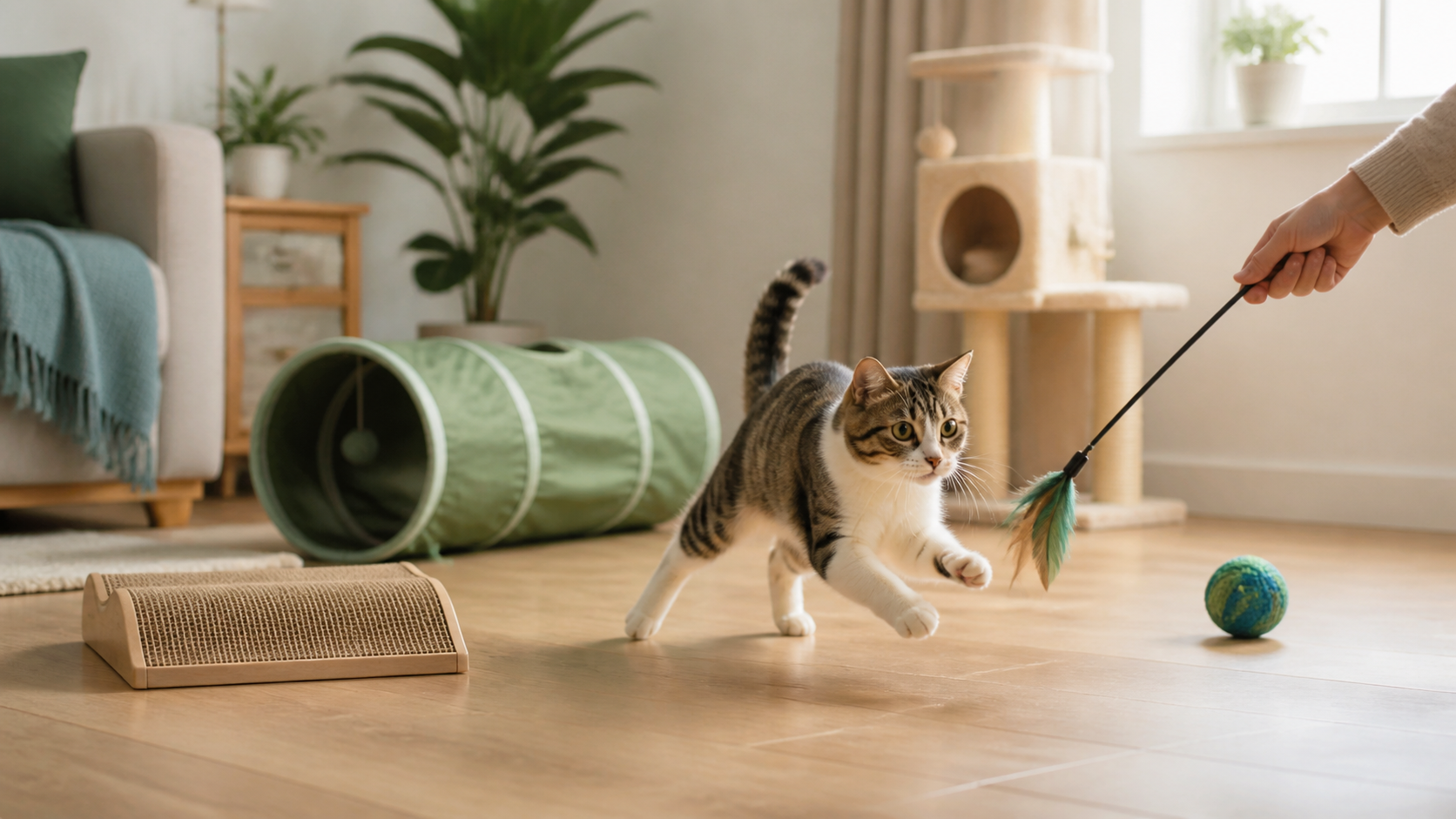
Indoor Cat Play: Building a Balanced Daily Routine
Build a balanced indoor cat play routine with short hunting games, safe solo activities, toy rotation, rest, and age-appropriate adjustments.
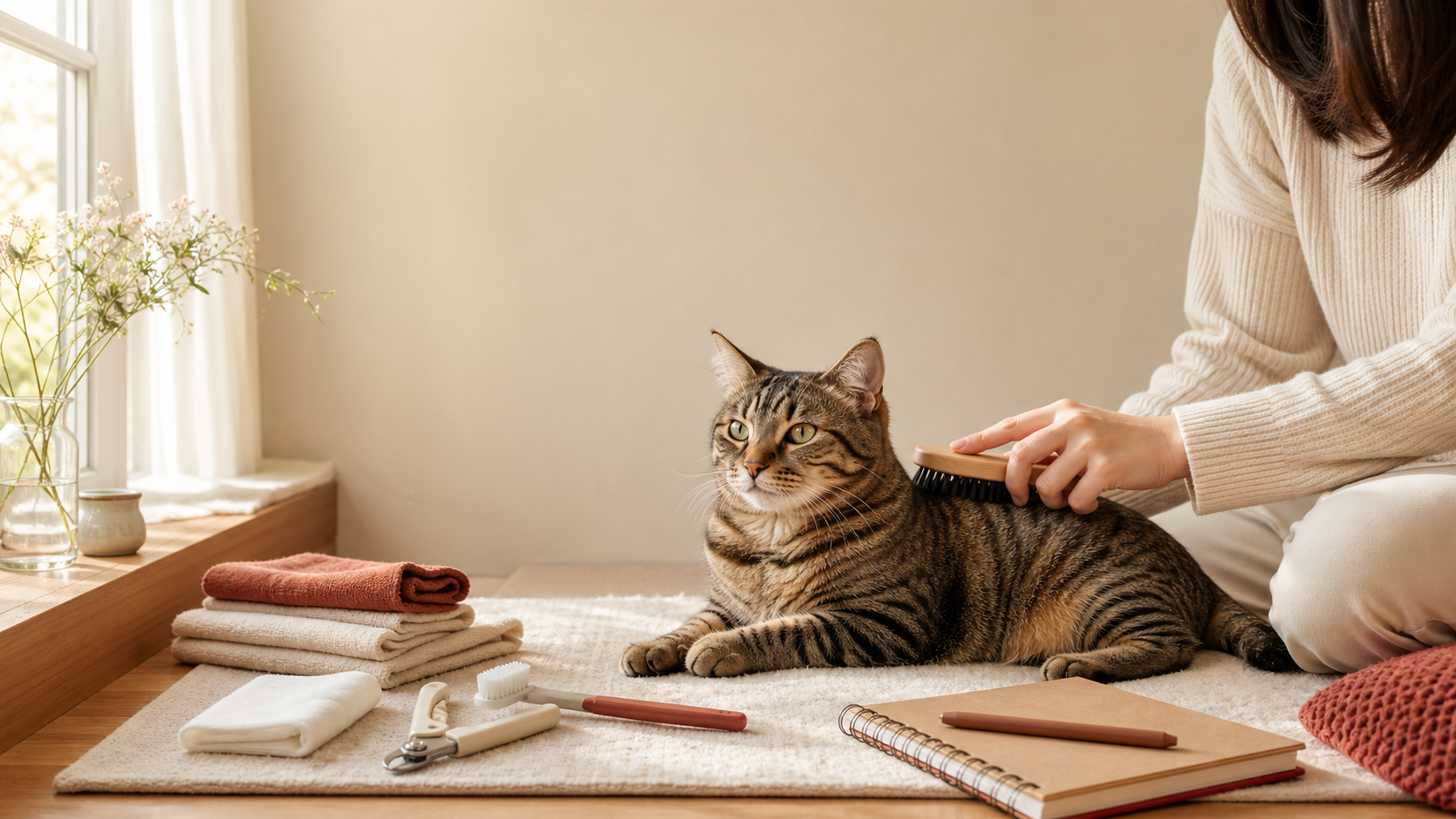
Essential Cat Grooming at Home: Coat, Claws, Teeth, Ears and Eyes
A calm, practical schedule for brushing, nail care, dental hygiene, ear and eye checks, plus the signs that need veterinary attention.
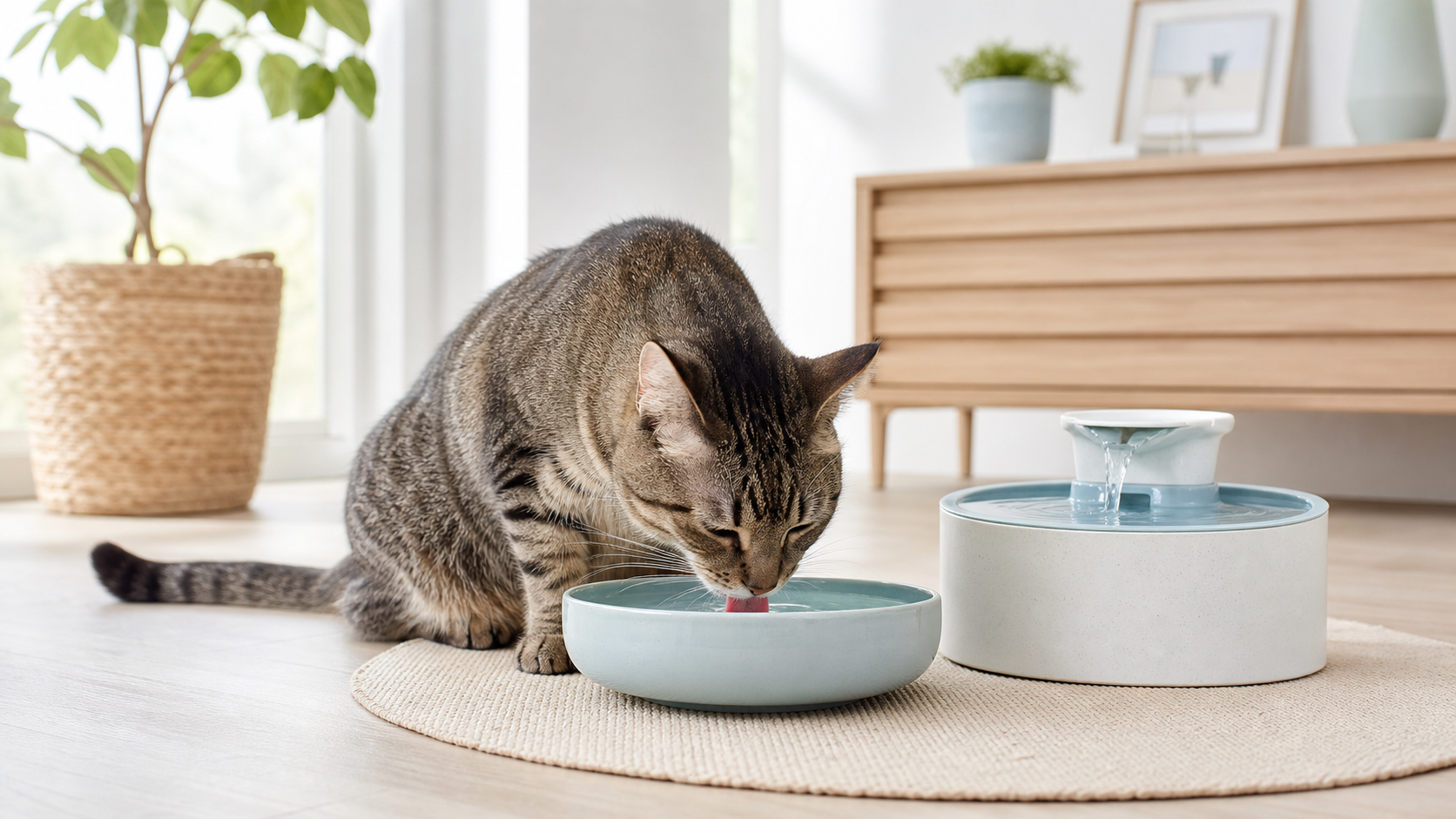
How to Help Indoor Cats Drink More Water Every Day
Practical ways to help indoor cats drink more through better bowl placement, fresh water, fountains, wet food and simple daily monitoring.
Cat Litter Box Placement: A Room-by-Room Guide
A practical room-by-room guide to placing litter boxes for privacy, easy access, cleaner routines and lower conflict in single- and multi-cat homes.